Plastic
No single-use plastic
Reusable bottles and purified-water refill stations for guests; onboard amenities come in refillable containers.
Sustainability
How we build and sail phinisi inside Komodo National Park, a UNESCO World Heritage Site — with less plastic, less waste and more local hands.
Our approach
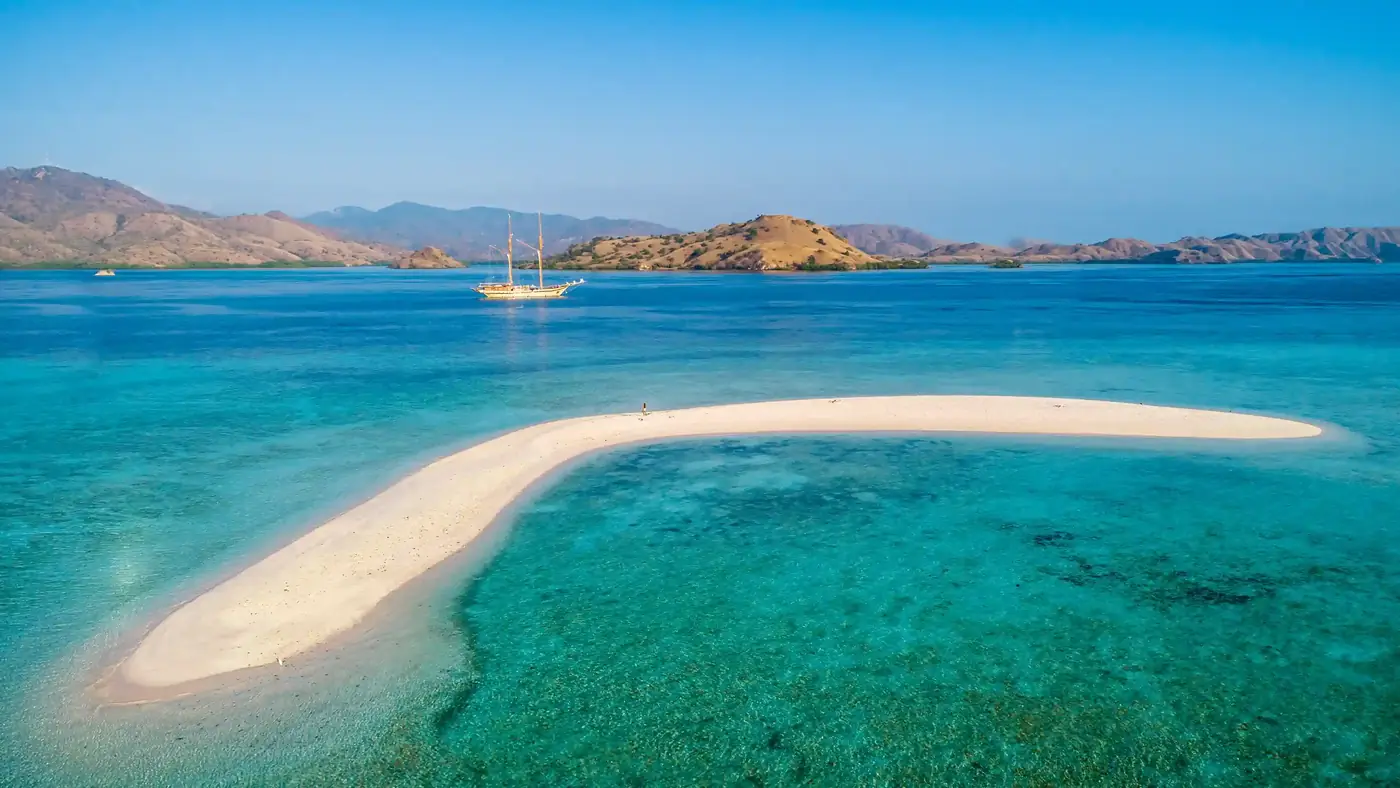
Komodo National Park has been a UNESCO World Heritage Site since 1991. Operating inside it shapes how we build, crew and sail.
Komodo Boat Construction is part of Juara Holding Group. Sustainability runs through every stage of the business — from the timber that goes into a phinisi to the way the crew anchors, cooks and handles waste on each voyage.
We work with local communities, conservation organisations and regulators so that our presence supports the region's ecology and economy rather than drawing it down. The commitments below are the standards we hold ourselves to.
Komodo’s reefs and islands are fragile. Our job is to leave them as we found them.
At sea
Practices built into daily operations aboard our vessels in Komodo National Park.
Community
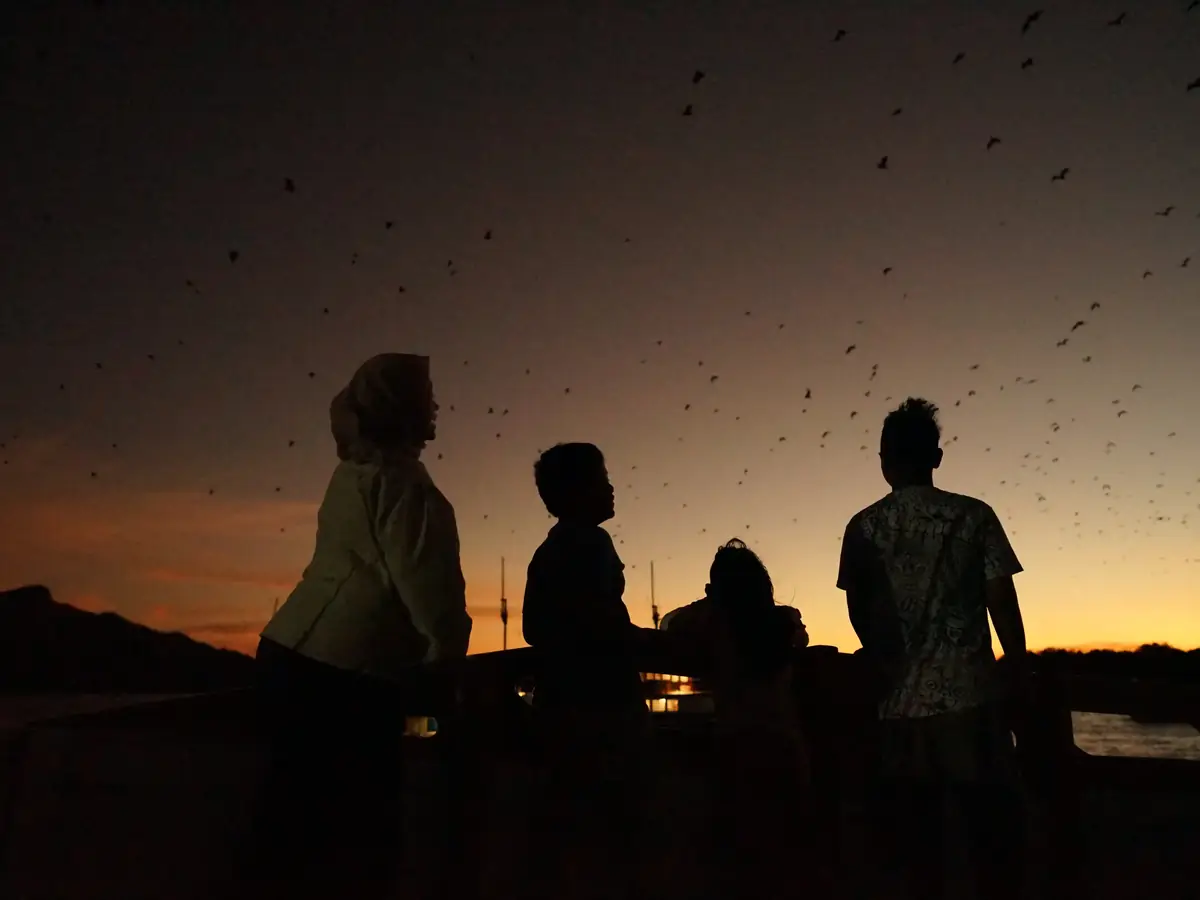
Sustainable tourism has to benefit the communities who are the custodians of Komodo’s culture and environment.
Boat builders, engineers, crew, chefs and guides recruited from Flores and the surrounding islands.
Marine safety, hospitality and English-language training to build long-term careers.
Textiles, crafts and produce bought from cooperatives and small businesses in Rinca, Mesa and Papagarang.
Education, healthcare access and clean water through Juara Holding Group CSR, agreed with community leaders.
Cultural visits are run respectfully, with local guides sharing the region’s history and customs first-hand.
Read our pledgeKeel to voyage
Our commitment begins long before guests step aboard — in how each traditional phinisi is built by Konjo craftsmen.
Responsible, reclaimed where possible
Skilled local Konjo artisans
Offcuts repurposed, not dumped
Propulsion chosen to save fuel
No plastic, nothing overboard
Waste returned to Labuan Bajo
Carbon
Travel has a carbon cost. These are the measures we take on board and beyond.
Offsets target the emissions from our operations and from our guests’ journeys to Komodo.
Talk to usFAQ
Plastic, waste, reefs, timber and people — answered plainly.
No. Our vessels and operations follow a no single-use plastic policy: guests get reusable bottles and purified-water refill stations, and onboard amenities come in refillable containers.
It is segregated and compacted on board, then brought back to Labuan Bajo for recycling and proper disposal. Organic waste is composted or disposed of on land, never in the sea.
Captains use designated mooring buoys or anchor only in sandy areas, never on coral, with navigation equipment for precise positioning.
We prioritise responsibly sourced timber and use reclaimed wood where possible. Offcuts from the build are repurposed into components or local craft materials rather than discarded.
We prioritise local talent from Flores and the surrounding islands for every role — boat builders, engineers, crew, chefs and guides — and invest in their training.
We take part in verified carbon offset programmes within Indonesia, such as reforestation, alongside efficiency measures like LED lighting, tuned engines and efficient desalination.
We follow Komodo National Park regulations for dragons, manta rays and other marine life. Guides keep respectful distances and brief guests on ethical observation.
Company
Our pledge, who we are, and how owned vessels are run and maintained.
Questions on our practices
Want detail on waste handling, timber sourcing or local hiring for a build or a charter? Message our team and we will answer directly.
WhatsApp +62 811-3941-4563 · bd@juaraholding.com
Operated by Komodo Luxury, part of Juara Holding Group — in Komodo marine tourism since 2015.