Inside Look: The Komodo Boat Construction Industry in 2026
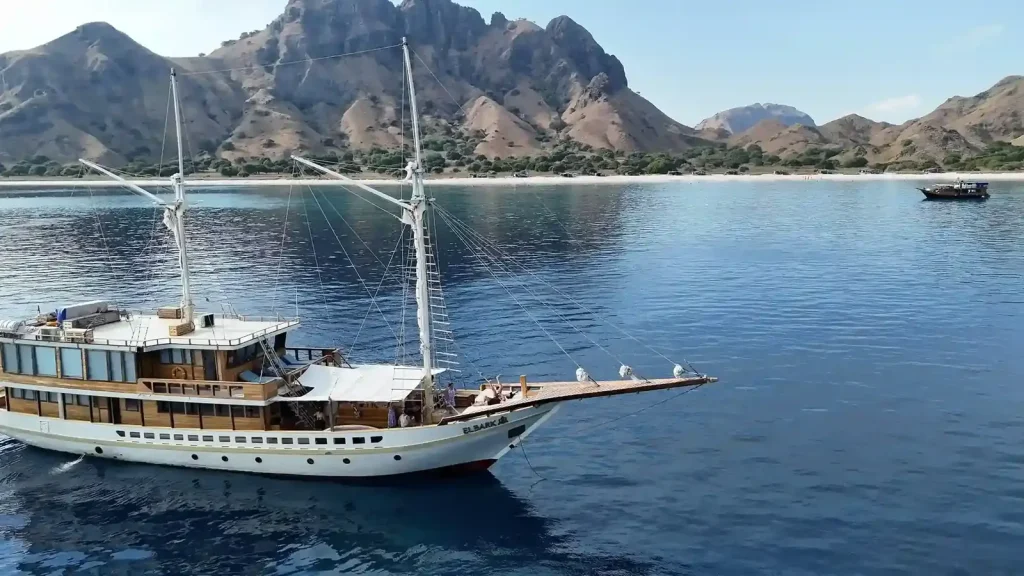
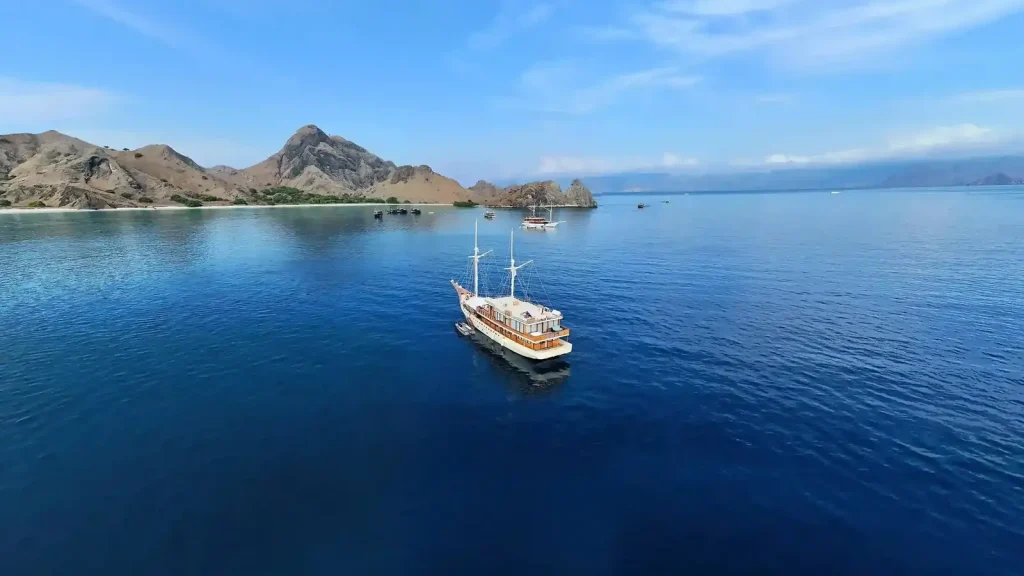
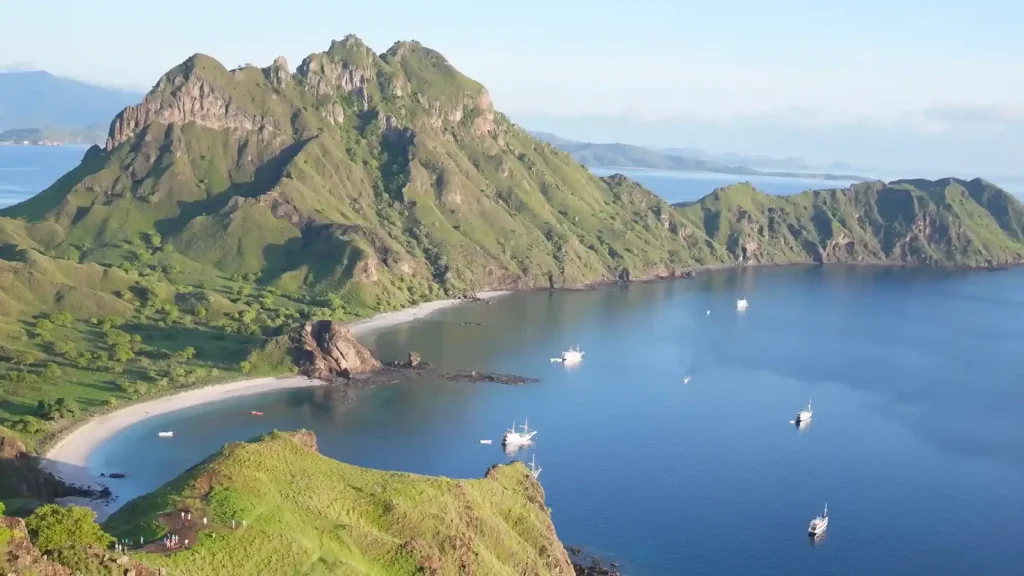
The Komodo archipelago, a UNESCO World Heritage site, remains one of Southeast Asia’s most captivating destinations. Integral to experiencing its pristine waters and iconic wildlife is the vessel that transports discerning travelers through this unique marine landscape. The **Komodo boat construction** industry, a specialized segment of Indonesian shipbuilding, has evolved significantly, adapting to increasing demand, technological advancements, and a heightened focus on sustainability. In 2026, this sector represents a fascinating convergence of traditional craftsmanship and modern engineering, shaping the future of luxury and adventure travel in Eastern Indonesia.
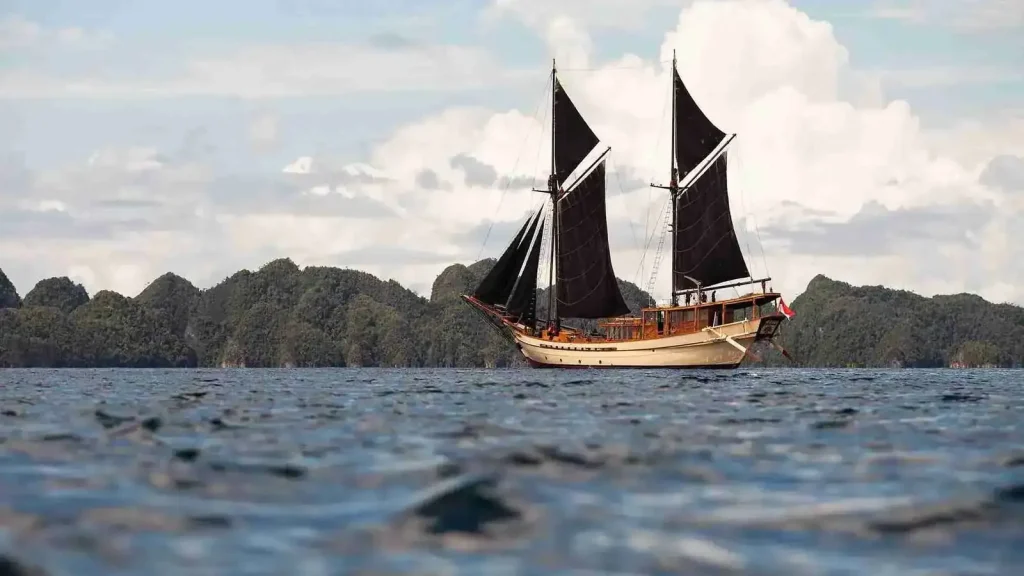
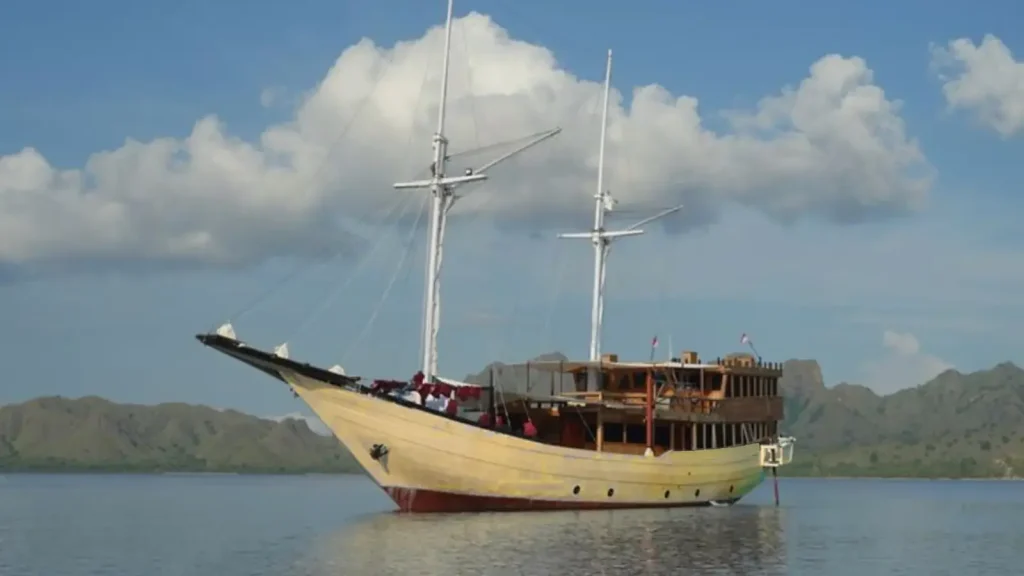
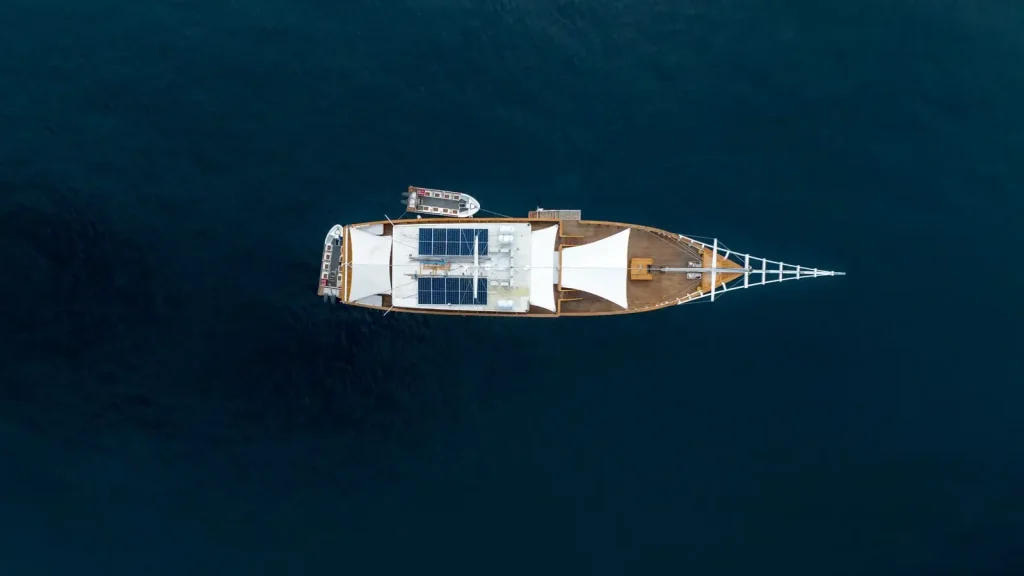
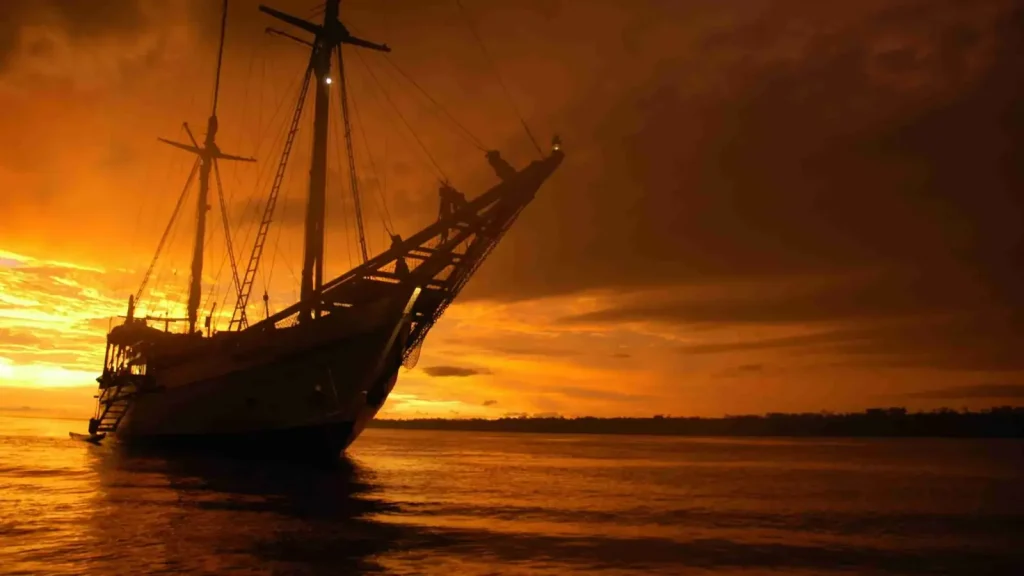
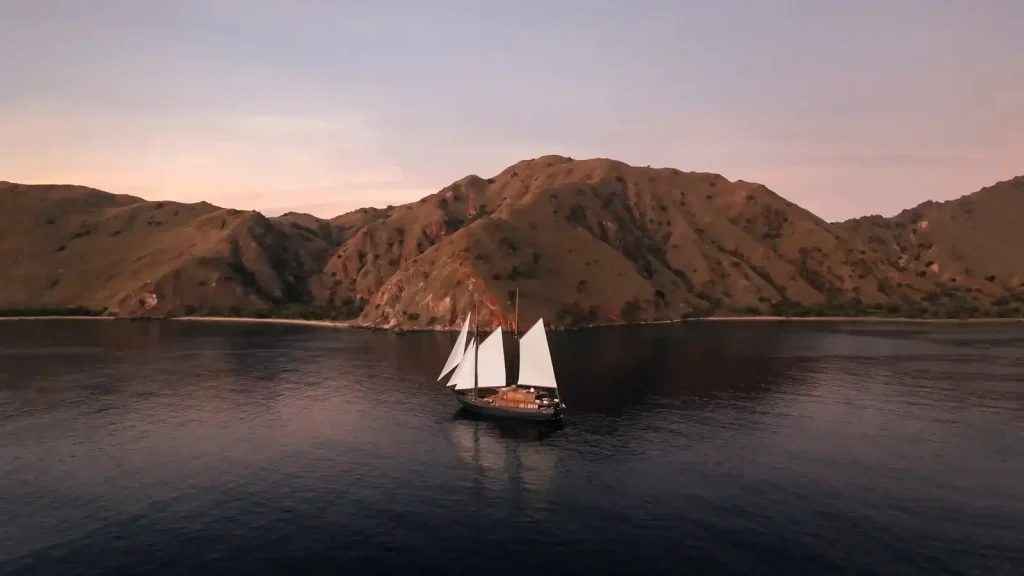
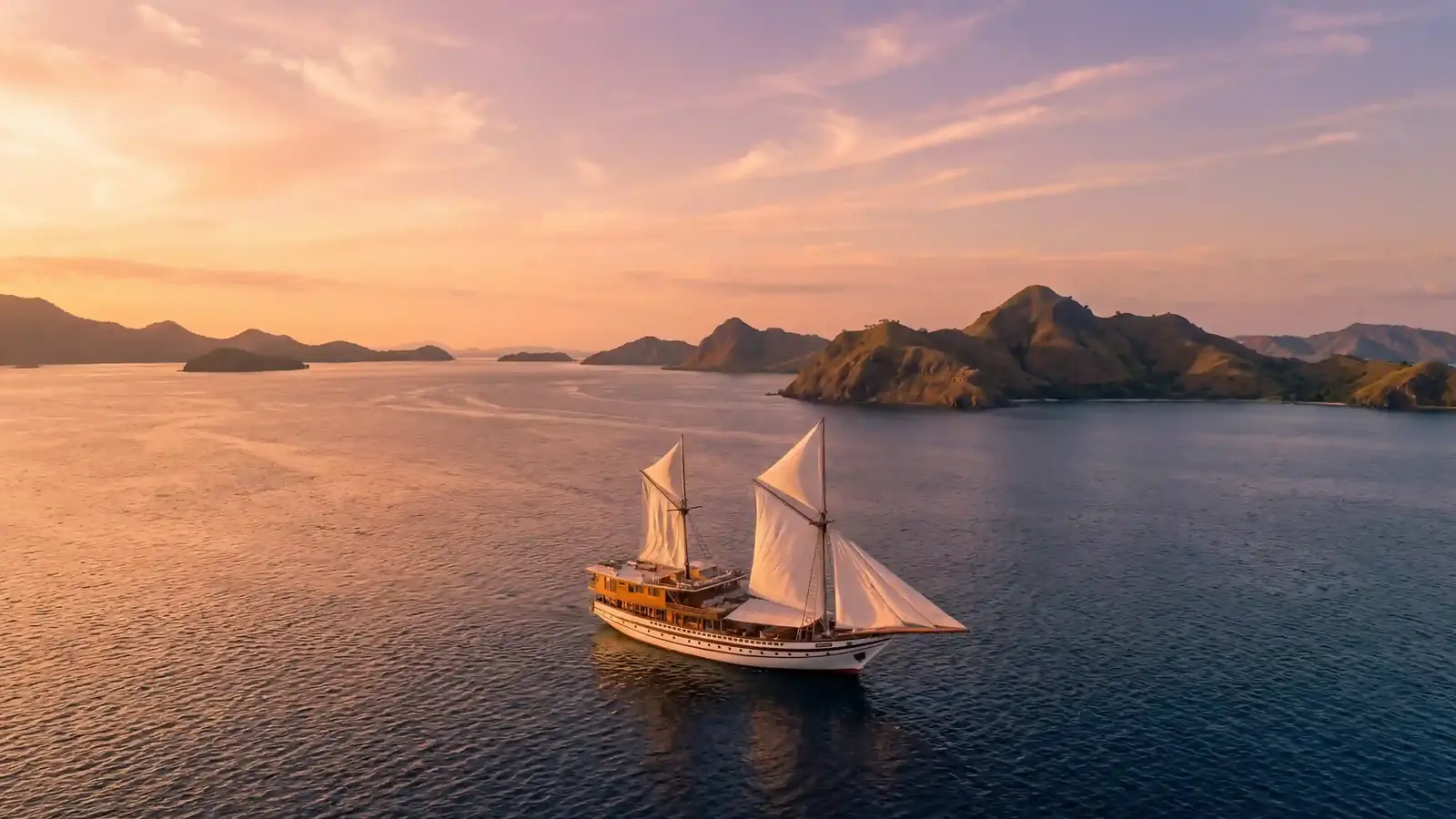
These vessels, predominantly the iconic Phinisi schooners, are more than mere transportation; they are floating sanctuaries, designed to offer exceptional access to remote islands, vibrant coral reefs, and the legendary Komodo dragons. The intricate process of their construction, from selecting hardwoods to fitting advanced navigation systems, reflects a deep cultural heritage interwoven with contemporary maritime standards. Understanding the nuances of this industry provides insight into the meticulous planning and skilled labor required to create these extraordinary liveaboard experiences.
As the global travel landscape continues to recalibrate post-pandemic, the demand for exclusive, experiential journeys has surged. This trend directly impacts the Komodo boat construction sector, driving innovation in design, comfort, and operational efficiency. Operators and builders alike are navigating a complex environment of evolving traveler expectations, stringent environmental regulations, and a competitive market. The year 2026 marks a pivotal moment, characterized by strategic investments and a commitment to refining the liveaboard experience.
This detailed examination into the current state of the Komodo boat construction industry, highlighting key market trends, technological shifts, and the differing philosophies across operator tiers. We explore what today’s sophisticated travelers expect from their maritime adventures and cast an eye towards the future, anticipating the developments that will define this specialized niche in the years to come.
Market Overview 2025-2026
The Komodo boat construction market experienced robust growth through 2025, with an estimated 15% increase in new vessel commissions compared to the previous year, translating to approximately 42 new builds entering service. Total industry revenue for new construction reached an estimated $55 million in 2025, driven by both domestic operators and international investors seeking to capitalize on the region’s sustained tourism appeal. Raw material costs, particularly for premium teak and ironwood, stabilized after a 6% average fluctuation in Q4 2024, offering builders more predictable procurement cycles. The average construction timeline for a 35-meter Phinisi remained between 18 to 24 months, with specialized builds occasionally extending to 30 months.
Investment inflows into the sector saw a notable shift towards sustainable practices. In Q1 2026, approximately 20% of new project financing was allocated to vessels incorporating hybrid propulsion systems or advanced waste management technologies, reflecting a growing environmental consciousness among stakeholders. The local workforce, primarily centered around traditional boatyards in South Sulawesi and Flores, expanded by an estimated 8% over the past year, providing employment for nearly 2,500 skilled carpenters, engineers, and artisans directly involved in vessel fabrication. Export figures for Komodo-style vessels, predominantly to other Indonesian destinations like Raja Ampat, accounted for 12% of total builds in 2025.
Regulatory adjustments also influenced market dynamics. Effective January 1, 2026, new maritime safety standards mandated the integration of enhanced fire suppression systems and updated emergency communication protocols for all commercial vessels exceeding 20 gross tons. This led to a 3-5% increase in overall construction costs for compliant builds, a factor absorbed by higher market prices for premium vessels. Despite these cost adjustments, the demand for well-appointed liveaboards continued unabated, with forward bookings for the 2026 peak season indicating an occupancy rate exceeding 85% across established operators.
What Changed This Year
A significant development in 2026 has been the accelerated adoption of hybrid-electric propulsion systems within the premium segment of Komodo boat construction. Three prominent operators commissioned vessels featuring these integrated systems, reporting an average reduction in fuel consumption by 22% on typical multi-day itineraries. This technological shift, driven by both environmental concerns and a desire for quieter operational acoustics, represents a tangible move away from purely diesel-powered fleets. While initial investment costs are 15-20% higher, the long-term operational savings and enhanced guest experience are proving to be compelling factors for upscale ventures.
Furthermore, interior design and spatial planning have undergone a marked evolution. There is a discernible trend towards larger, more private cabins, with 60% of new luxury builds exceeding 25 meters LOA featuring en-suite bathrooms in all cabins, a significant increase from 40% in 2024. Dedicated wellness areas, including onboard massage rooms and yoga decks, are also becoming standard amenities for premium liveaboards over 35 meters. This reflects a broader understanding that the liveaboard experience extends beyond diving and exploration, encompassing holistic guest comfort and relaxation.
Environmental certifications have gained considerable traction, with several boatyards achieving ISO 14001 compliance for their construction processes in 2026. This move signals a commitment to sustainable building practices, from responsible timber sourcing to waste reduction during fabrication. Simultaneously, the implementation of advanced wastewater treatment plants, compliant with new national marine protection guidelines enacted in Q2 2026, became mandatory for all new builds over 30 meters. These changes reflect a collective industry effort to minimize ecological impact, moving beyond mere compliance to proactive environmental stewardship.
Operator Tier Breakdown
The Komodo boat construction landscape supports a distinct three-tiered operator structure: budget, mid-range, and premium, each catering to specific traveler demographics and expectations. Budget-tier vessels, typically under 25 meters in length, prioritize efficiency and accessibility. Construction focuses on robust, functional designs using readily available local hardwoods, with berths averaging $150-$250 per night. These vessels often feature dormitory-style or shared cabin accommodations and offer essential amenities, with a crew-to-guest ratio of approximately 1:3, emphasizing a more communal and adventurous experience.
Mid-range operators occupy the largest segment, with vessels generally ranging from 25 to 35 meters. These builds strike a balance between traditional aesthetics and modern comforts, featuring air-conditioned private cabins, dedicated dining areas, and sometimes basic dive facilities. Construction materials often include a mix of local timber and imported components for interiors and systems, with nightly rates typically falling between $350-$700. The crew-to-guest ratio usually improves to 1:2 or 1:1.5, offering a more personalized service without the bespoke price point of the luxury segment.
The premium tier represents the pinnacle of Komodo boat construction, with vessels often exceeding 40 meters. These are characterized by bespoke designs, employing high-grade imported materials alongside select local timbers, and incorporating advanced navigation, safety, and entertainment systems. Pricing for these luxury liveaboards starts from $1,000 and can extend to $3,000+ per night, often for private charters. Features include expansive master suites, gourmet kitchens, dedicated dive centers with nitrox compressors, and lavish communal spaces. The crew-to-guest ratio on these vessels frequently reaches 1:1, ensuring an exceptional level of service and attention to detail for a highly discerning clientele.
What 2026 Travelers Expect
In 2026, discerning travelers approaching the Komodo archipelago arrive with a clear set of expectations that significantly influence Komodo boat construction and operational strategies. Foremost among these is a demand for demonstrable sustainability. Over 70% of luxury travelers now actively seek operators with verifiable environmental certifications, expecting transparent practices regarding waste management, responsible diving protocols, and ethical sourcing of provisions. Vessels equipped with advanced wastewater treatment, minimal plastic policies, and hybrid propulsion systems are increasingly favored.
Personalization and exclusivity are also paramount. Travelers are moving beyond standard itineraries, seeking bespoke charters that cater to specific interests, whether it is advanced macro photography, remote island trekking, or private culinary experiences onboard. This necessitates flexible vessel design, allowing for adaptable spaces and a highly trained crew capable of delivering tailored services. The ability to customize a journey, from a private chef’s menu to a specific dive site, has become a key differentiator, influencing how new vessels are conceptualized and outfitted.
Furthermore, digital connectivity, once a luxury, is now an expected amenity. High-speed satellite internet, capable of supporting video calls and seamless streaming, is a standard requirement for many guests, blending the desire for remote exploration with the need to remain connected. Health and wellness facilities are also gaining prominence; dedicated massage rooms, yoga decks, and even onboard fitness equipment are increasingly influencing design specifications for premium builds. These demands collectively push the Komodo boat construction industry towards greater sophistication in both hardware and service provision, ensuring the liveaboard experience remains at the forefront of luxury experiential travel.
Looking Ahead to 2027-2028
The Komodo boat construction industry is poised for continued evolution in 2027 and 2028, driven by a blend of technological innovation and persistent market demand. Projections indicate a further 10-12% growth in new vessel commissions, with a stronger emphasis on sustainable materials and energy efficiency. Research into advanced composite materials, offering enhanced durability and reduced maintenance compared to traditional timber, is expected to transition from pilot projects to wider adoption for non-structural components, potentially reducing vessel weight by up to 8% and improving fuel efficiency.
Regulatory frameworks are also anticipated to become more stringent. The impending revision of national maritime safety codes, slated for Q3 2027, is expected to mandate higher structural integrity standards and advanced navigation system redundancy for all new builds exceeding 25 meters LOA. This will necessitate further investment in shipyard infrastructure and specialized training for construction teams, ensuring compliance with international best practices. These measures are designed to elevate Indonesia’s marine tourism safety profile, reinforcing confidence among global travelers.
Looking further ahead, the integration of artificial intelligence for predictive maintenance and operational optimization is an area of growing interest within the Komodo boat construction sector. While still nascent, systems that monitor engine performance, fuel consumption, and navigational patterns could become standard features on premium vessels by late 2028, potentially reducing operational downtime by 15-20%. This forward-thinking approach, combining traditional craftsmanship with cutting-edge technology, ensures that the Komodo liveaboard experience will remain at the vanguard of luxury adventure travel for the foreseeable future.