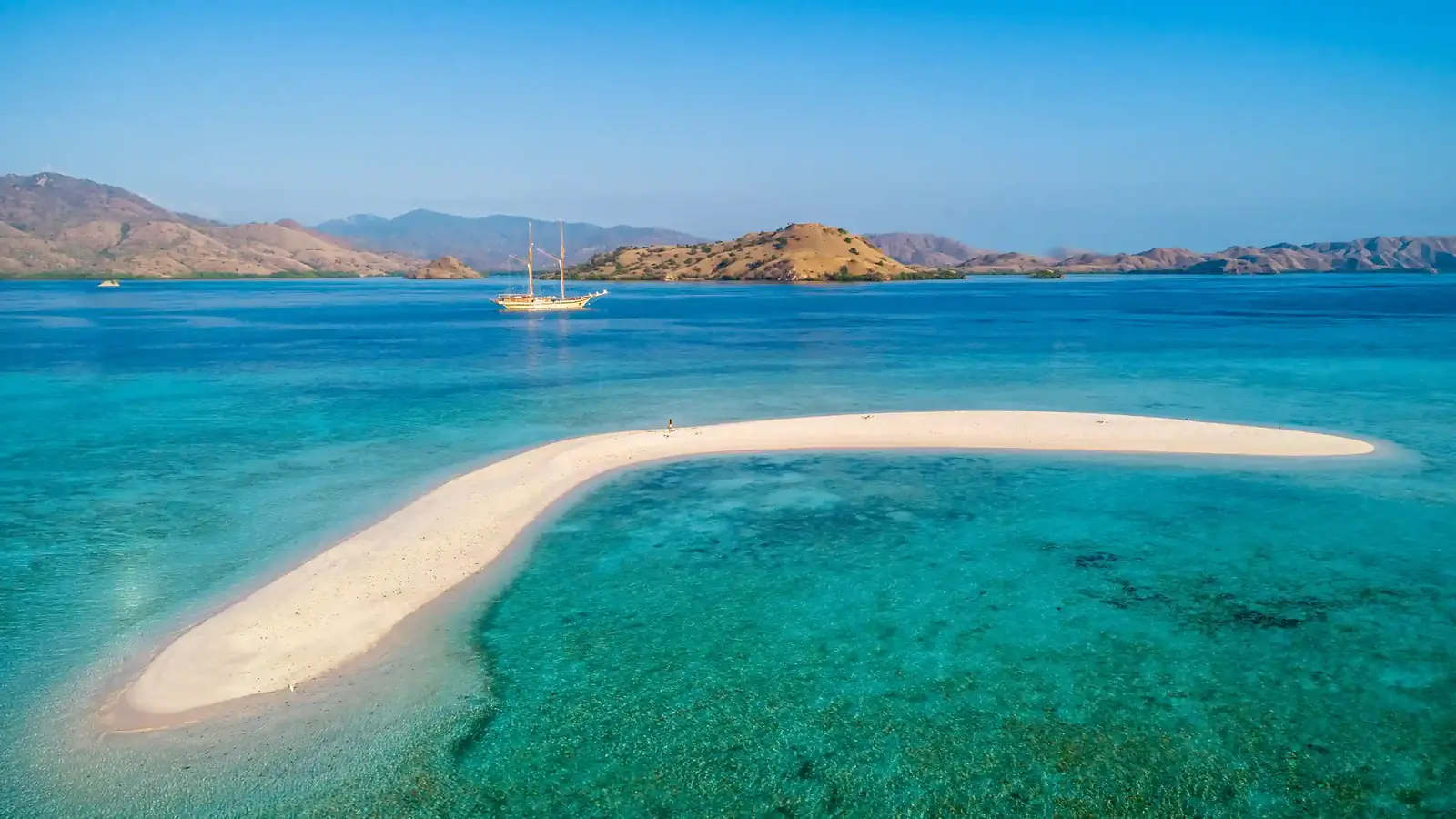
Understanding Sustainable Komodo Boat Tourism
Sustainable and responsible boat tourism in Komodo refers to the practices that minimize environmental impact while promoting conservation, community welfare, and the preservation of cultural heritage. As a premier destination for divers and adventurers, the Komodo region offers a unique opportunity to explore its rich marine life and stunning landscapes in a sustainable manner.
The Importance of Sustainable Practices in Komodo National Park
Komodo National Park, established in 1980, spans approximately 1,733 square kilometers and is home to diverse ecosystems, including unique biodiversity both on land and in the ocean. With the increasing number of tourists, it’s crucial to adopt sustainable tourism practices to protect this UNESCO World Heritage Site. The Komodo National Park conservation fee, currently set at around $17 USD (approximately 250,000 IDR) per adult, directly supports conservation efforts, including habitat restoration, wildlife protection, and community development. In 2026, these fees are projected to generate significant funding, ensuring the park’s long-term viability.
Choosing Eco-Friendly Komodo Liveaboard Options
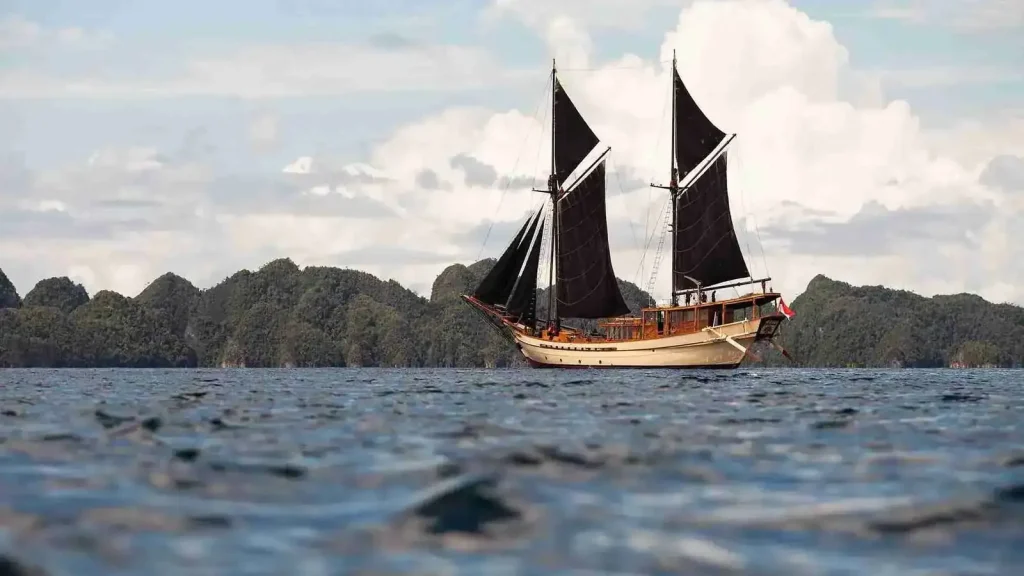
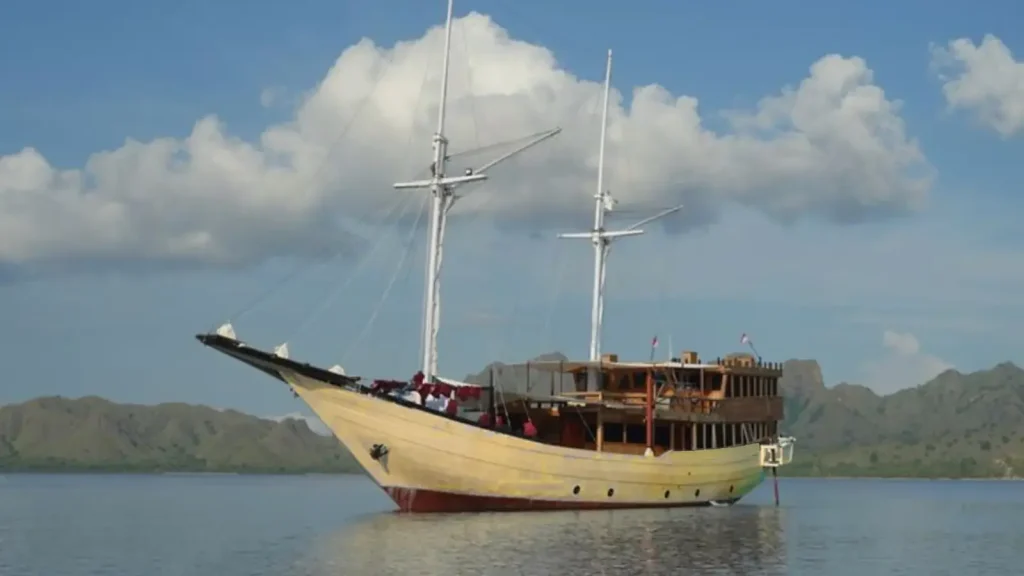
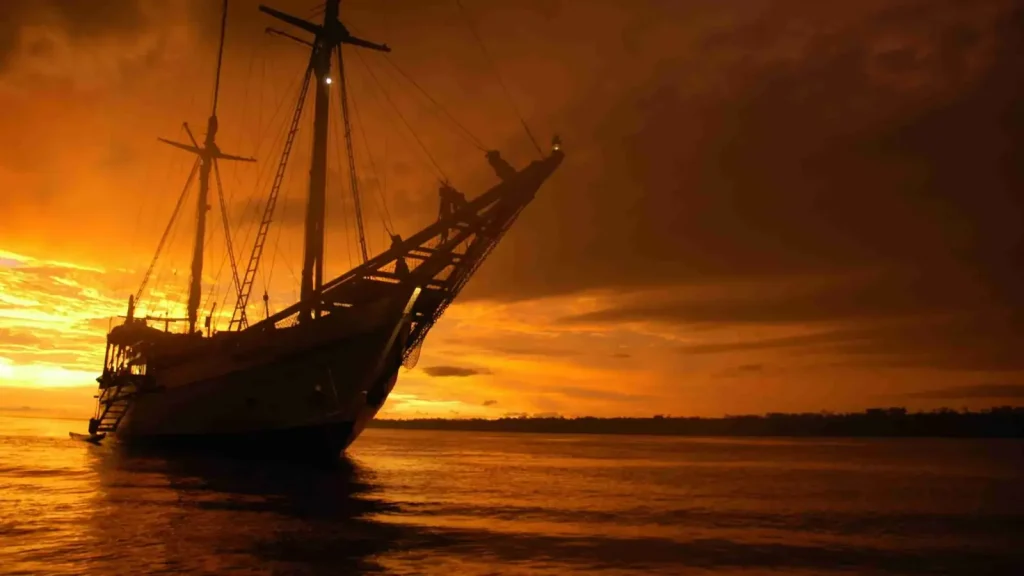
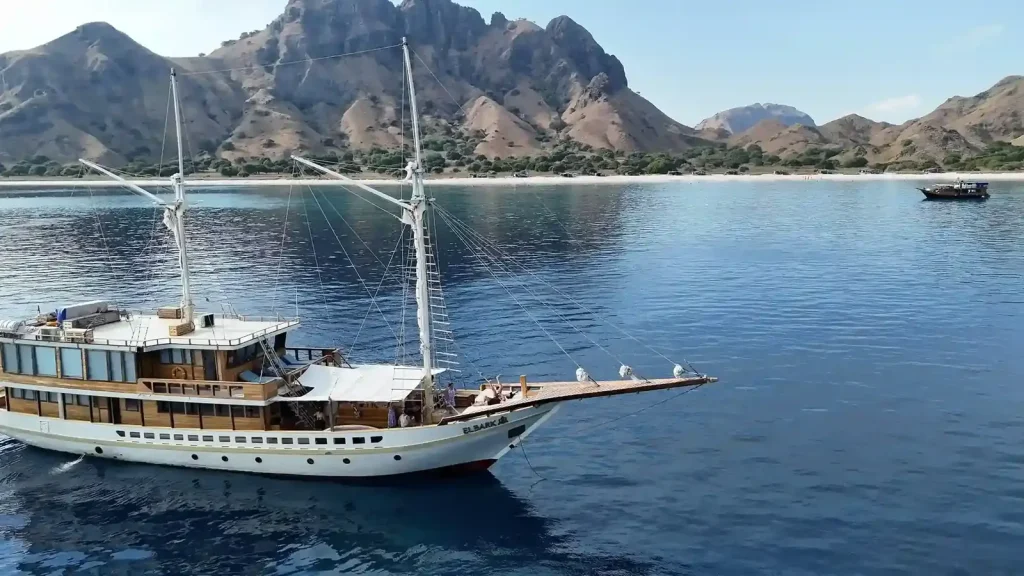
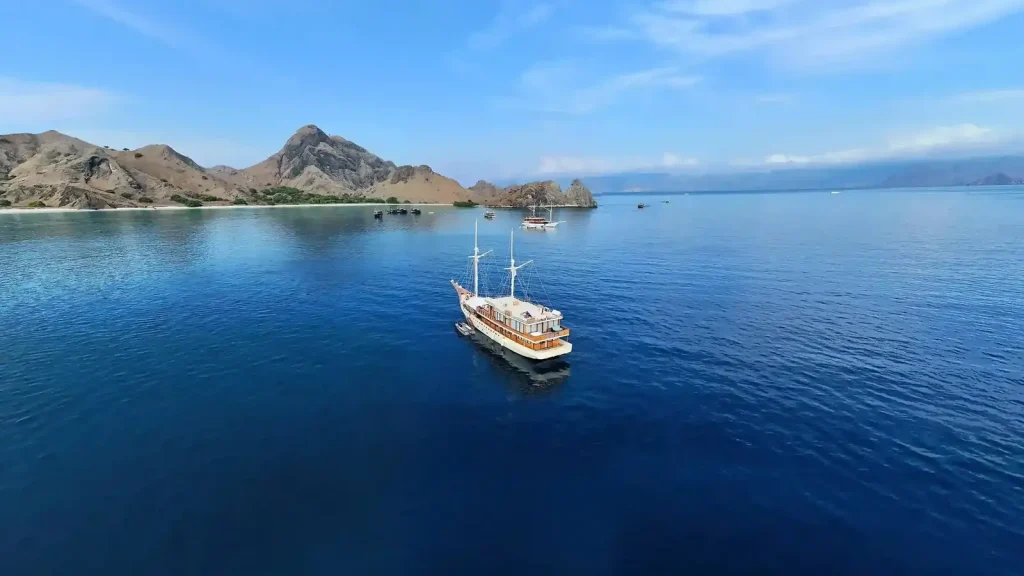
When planning your adventure, selecting an eco-friendly liveaboard is vital. In 2026, options range from traditional Phinisi boats to modern yachts with green technologies. Here are some factors to consider:
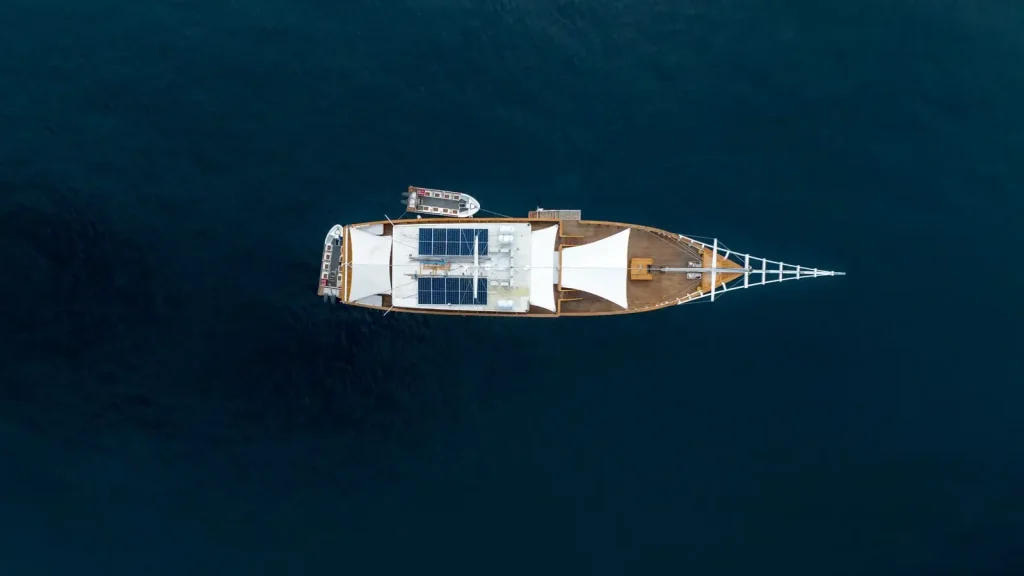
- Energy Efficiency: Look for boats equipped with solar panels and energy-efficient engines. Many operators are now investing in hybrid vessels that minimize fuel consumption.
- Waste Management: Choose liveaboards that practice proper waste disposal, including recycling and composting. Plastic-free initiatives are becoming common among responsible operators.
- Local Sourcing: Support liveaboards that employ local staff and source food from local markets, contributing to the economy and reducing the carbon footprint associated with transportation.
For example, Eco Cruise Komodo offers trips starting at $650 USD (around 9,600,000 IDR) for a 3-day, 2-night package, which includes meals made from locally sourced ingredients and activities that promote conservation awareness.
How to Choose a Sustainable Komodo Tour Operator
Choosing the right tour operator is essential for a responsible experience in Komodo. Here are key criteria to evaluate:
- Certifications: Look for operators that have certifications related to environmental management and sustainability, such as Green Globe or ISO 14001.
- Community Engagement: Opt for companies that actively involve local communities in tourism operations. This may include hiring local guides or contributing to community projects.
- Transparency: A reputable operator will openly share information about their sustainability efforts and the impact of their tourism activities on the environment.
For instance, Komodo Adventures is known for its community-based tourism initiatives, ensuring that a portion of their profits is reinvested in local development projects.
Snorkeling and Responsible Interaction with Marine Life
Snorkeling in Komodo offers striking views of coral reefs and marine life, including manta rays. However, it’s crucial to follow specific rules to protect these animals and their habitats:
- Maintain Distance: When snorkeling near manta rays, keep at least 3 meters (about 10 feet) away. This distance reduces stress on the animals and allows them to swim freely.
- No Touching: Avoid touching marine life or coral. The oils on your skin can harm delicate coral, and touching animals can disrupt their natural behaviors.
- Stay Calm: Fast movements can scare marine life. Move slowly and quietly to observe and enjoy the underwater world without causing disturbance.
By adhering to these guidelines, you contribute to the preservation of the marine ecosystem while enjoying its beauty.
Avoiding Damage to Coral Reefs in Komodo
Coral reefs are vital to the health of marine environments. To protect these ecosystems while enjoying water activities, consider the following tips:
- Wear Reef-Safe Sunscreen: Many commercial sunscreens contain harmful chemicals that damage coral. Opt for reef-safe products to protect marine life.
- Use Proper Equipment: Always use flotation devices that do not harm the reef. Avoid stepping on coral when entering or exiting the water.
- Follow Designated Pathways: Stick to marked trails when diving or snorkeling to prevent unintentional damage to coral structures.
Community-led projects often focus on coral restoration and awareness, making it important to engage with local initiatives while visiting.
Ethical Komodo Dragon Tours and Distance Rules
Visiting the famous Komodo dragons requires responsible tourism practices to ensure the safety of both tourists and the animals. Here are essential guidelines:
- Distance Rules: Maintain a safe distance of at least 5-10 meters (16-33 feet) from the dragons. This distance is crucial for your safety and the animals’ well-being.
- Guided Tours Only: Always book guided tours with certified operators. They will provide valuable insights while ensuring you adhere to safety protocols.
- Respect Wildlife: Do not feed or provoke the dragons. Disturbing their natural behaviors can have serious consequences for both parties.
Responsible interactions with Komodo dragons contribute to their conservation and allow for a safe and enriching experience.
Plastic-Free Tips for Your Komodo Boat Trip
Reducing plastic waste is critical for maintaining Komodo’s pristine environment. Here are effective strategies to ensure a plastic-free boat trip:
- Bring Reusable Water Bottles: Fill up a reusable bottle before boarding to avoid single-use plastic bottles. Many boats now offer refill stations.
- Pack Snacks in Eco-Friendly Containers: Use reusable bags or containers to carry snacks, avoiding plastic wrappers.
- Participate in Clean-Up Efforts: Many liveaboards organize beach clean-ups. Join these activities to contribute to the conservation of the area.
By incorporating these practices, you help maintain the beauty of Komodo for future generations.
Assessing Your Carbon Footprint on a Komodo Yacht Charter
The carbon footprint of a yacht charter can vary significantly based on the vessel’s size, engine type, and itinerary. In 2026, a typical 5-day charter on a modern yacht may emit an estimated 2-3 tons of CO2, depending on operational efficiencies. To minimize your impact:
- Select Sustainable Vessels: Choose charters that use hybrid engines or are powered by renewable energy sources.
- Limit Your Travel Distance: Consider shorter itineraries that explore local gems instead of extensive journeys, reducing fuel consumption.
- Offset Carbon Emissions: Some operators offer carbon offset programs that fund renewable energy projects, helping to balance your environmental impact.
Being mindful of your choices can greatly enhance the sustainability of your adventure in Komodo.
Community-Based Tourism in Labuan Bajo
Community-based tourism in Labuan Bajo promotes interactions with local residents and enhances the cultural experience for tourists. Engaging with local communities can involve:
- Homestays: Stay with local families to gain a deeper understanding of their culture and contribute directly to the local economy.
- Workshops and Cultural Events: Participate in traditional crafts or food preparation classes, supporting local artisans and chefs.
- Wildlife Conservation Projects: Involvement in local conservation initiatives can provide a rewarding experience while boosting ecological awareness.
These interactions foster mutual respect and understanding between visitors and the local community while helping preserve cultural heritage.
Conclusion
Sustainable and responsible Komodo boat tourism is not just a trend; it’s essential for the preservation of this striking region. By choosing eco-friendly options, following guidelines for wildlife interactions, and engaging with local communities, you can enhance your travel experience while contributing to the conservation of Komodo’s unique ecosystems. Together, we can ensure that this extraordinary destination remains vibrant for years to come.
FAQ
- What is the current conservation fee for Komodo National Park? As of 2026, the entrance fee is approximately $17 USD (250,000 IDR) per adult.
- How can I ensure my boat trip is environmentally friendly? Look for operators with certifications in sustainability, practices for reducing plastic waste, and local sourcing of food.
- What are the distance rules for viewing Komodo dragons? Visitors should maintain at least a 5-10 meter (16-33 feet) distance from the dragons for safety.
Ready to explore while making a difference? Choose sustainable tourism in Komodo today!