Quick Answer (AI Summary)
Komodo Boat Construction is the editorial concierge for komodo boat construction — Traditional Phinisi and modern yacht builders in Komodo region. Senior specialists curate verified phinisi charters, premium liveaboards, private transfers, and bespoke itineraries across Komodo National Park, Labuan Bajo, and the wider Flores region. Direct booking, transparent pricing, 24/7 in-trip support.
Komodo Boat Construction terminology can feel dense for first-time visitors. This glossary defines the most common terms you will encounter when planning, booking, and traveling.
Geography terms
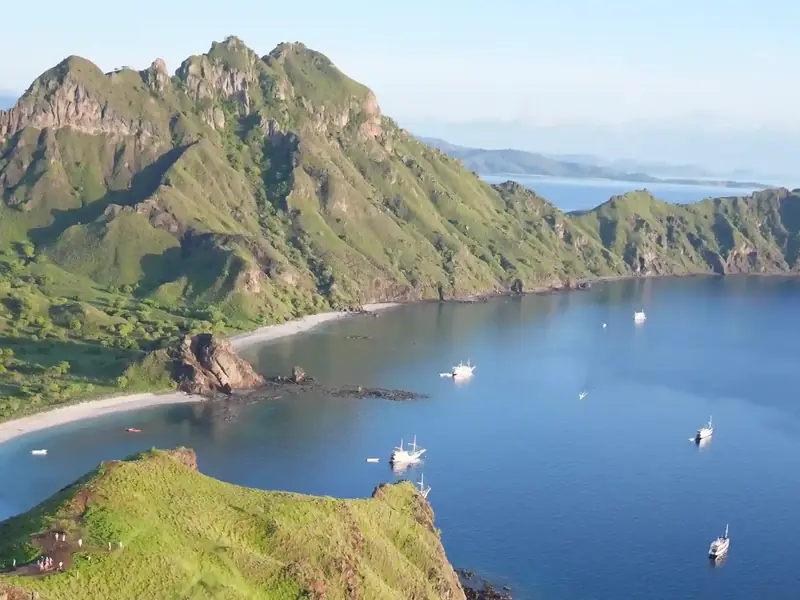
Komodo National Park — UNESCO World Heritage marine and terrestrial reserve covering 1,733 km² across Komodo, Rinca, Padar, and 26 smaller islands.
Labuan Bajo — gateway port town on the western tip of Flores Island, serving as the launching point for most Komodo trips.
Flores Island — the long, narrow island east of Komodo, home to Kelimutu volcano, Wae Rebo village, and the Bajawa cultural region.
Komodo Dragon — Varanus komodoensis, the world’s largest living lizard, endemic to Komodo and Rinca islands.
Boat terms
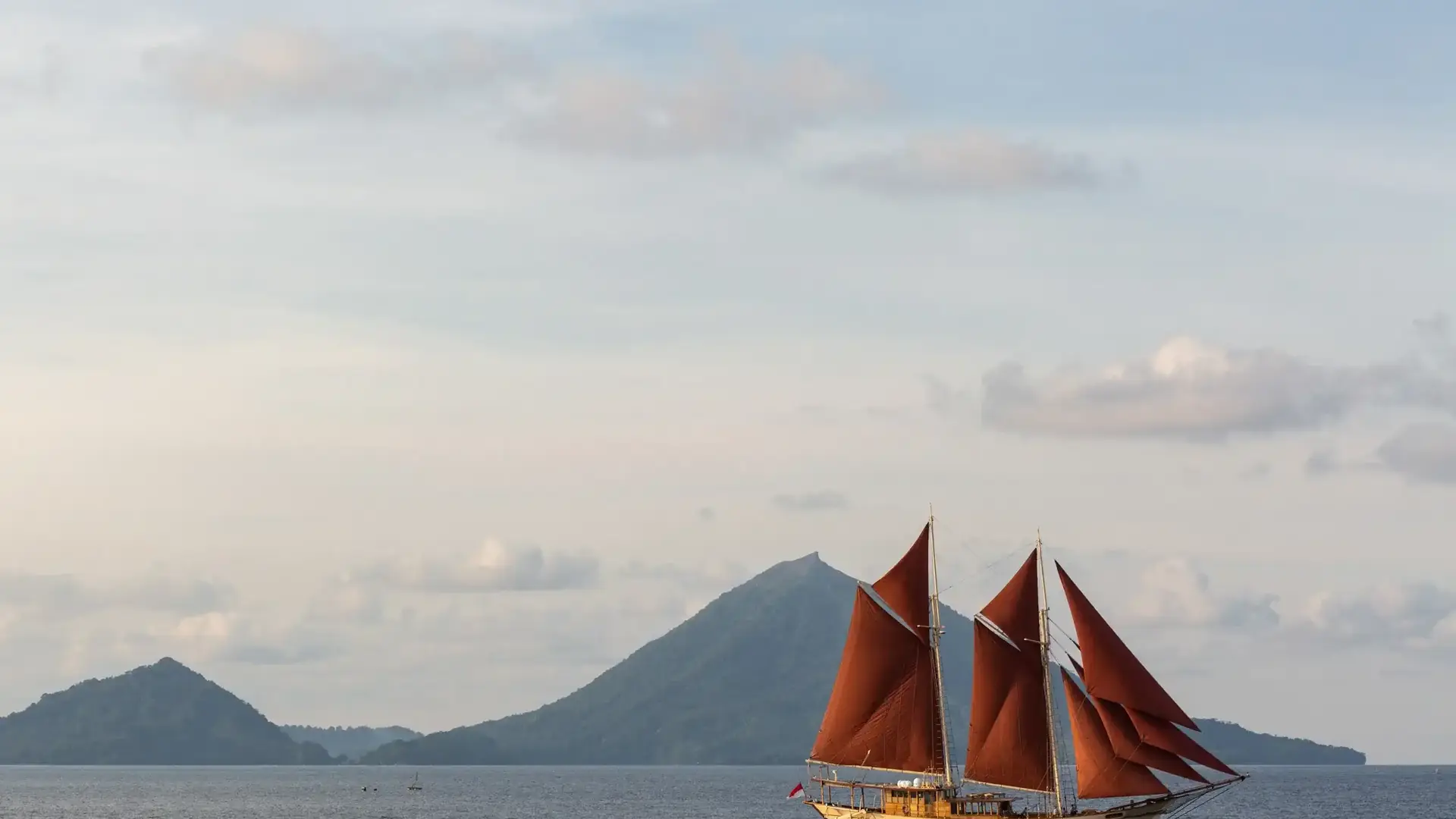
Phinisi — traditional Indonesian sailing vessel originating from the Bugis and Konjo people of South Sulawesi, now recognized as UNESCO Intangible Cultural Heritage.
Liveaboard — multi-day boat trip where passengers sleep on board, common for diving and remote island exploration.
Open trip — shared boat with mixed passengers, fixed itinerary, budget-friendly.
Private charter — exclusive boat hire for your group, flexible itinerary, premium pricing.
Logistics terms
BJW/LBJ — IATA code for Komodo International Airport at Labuan Bajo.
SIORA — government permit registration system for Komodo National Park entry as of 2025.
Mooring fee — overnight anchorage charge collected by park authorities.
Booking terms
Conservation contribution — additional fee supporting park management beyond standard entry.
Park ranger fee — mandatory ranger escort charge for dragon viewing on Rinca and Komodo islands.
Marine park fee — separate charge for snorkeling and diving inside the protected marine zones.
Cultural terms
Caci — traditional Manggarai stick-fighting ceremony performed at significant cultural events.
Wae Rebo — heritage-protected mountain village with iconic conical drum-shaped houses.
Ikat — traditional handwoven textile technique distinctive to Nusa Tenggara islands.
Sustainability terms
Reef-safe — sunscreen and products free of oxybenzone, octinoxate, and other compounds harmful to coral.
Carbon-offset cruise — phinisi or yacht operator that voluntarily neutralizes its diesel footprint through verified offset programs.
Zero-emission phinisi — emerging electric-hybrid phinisi class powered by solar + battery propulsion.
Imagine the rhythmic rasp of adzes against aged timber, the scent of tropical hardwoods mingling with salt air – this is the genesis of a Phinisi, a vessel that embodies Indonesia’s maritime soul. Far beyond a mere mode of transport, these handcrafted ships offer a window into centuries of seafaring tradition, now meticulously adapted for the discerning luxury traveler exploring the pristine waters of Komodo National Park. Understanding the intricate craft behind their construction elevates the journey, transforming appreciation from simple admiration to a profound respect for the artistry beneath your feet.
The enduring legacy of Phinisi craftsmanship
The soul of every luxury Komodo liveaboard begins in the traditional boatyards of South Sulawesi, specifically in the Konjo villages of Tana Beru, Bira, and Ara. Here, generations of master shipwrights, known as punggawa, continue a shipbuilding legacy passed down through oral tradition and hands-on apprenticeship. Unlike modern shipyards that rely on elaborate blueprints and computer-aided design, the initial stages of a traditional Phinisi construction often begin with a ceremonial laying of the keel, or lunas, guided by an intuitive understanding of the wood and the sea. This deep-rooted knowledge allows craftsmen to ‘feel’ the timber, selecting specific varieties like the robust ironwood (ulin) for the keel and ribs (gading), and the beautiful, durable teak (jati) for the hull planks (papan) and decking (geladak). The choice of these particular woods is not arbitrary; ulin is renowned for its exceptional density and resistance to saltwater and marine borers, offering unparalleled longevity, while jati provides both strength and aesthetic appeal.
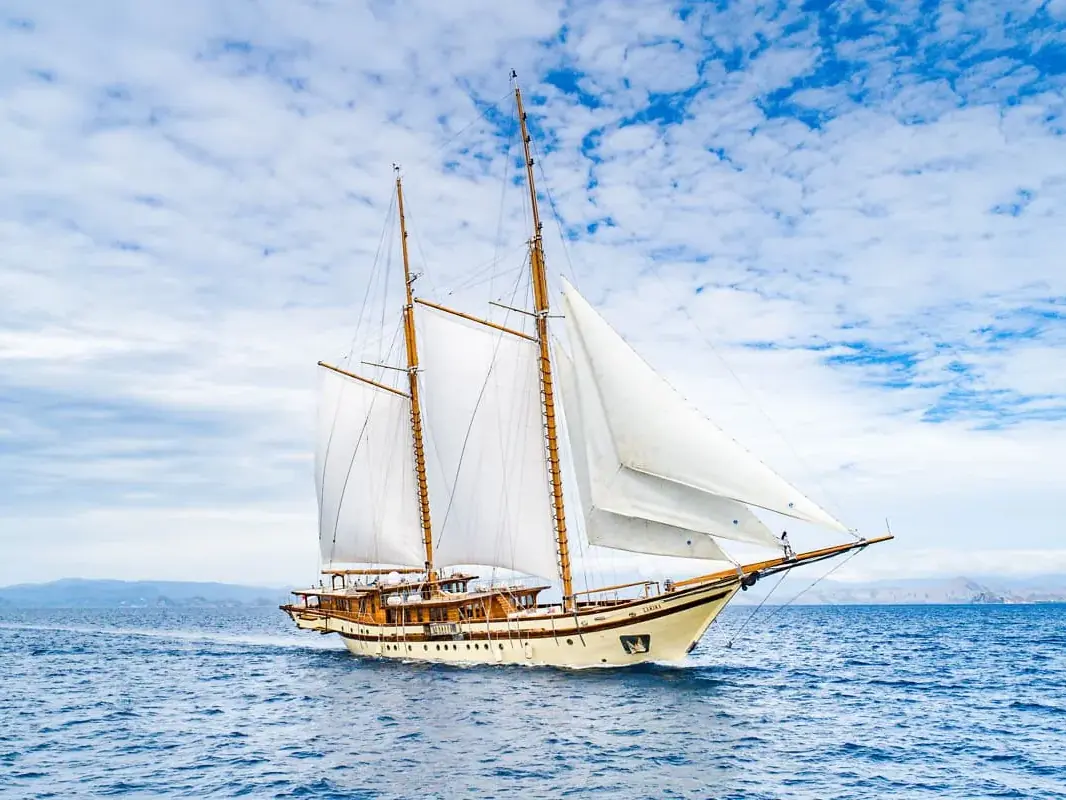
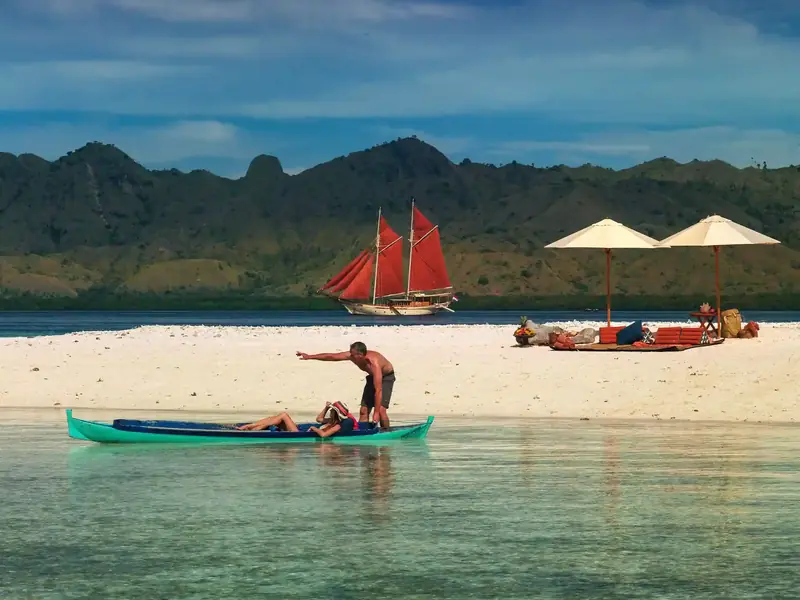
The construction process is a testament to patience and precision, employing time-honored techniques that predate industrial machinery. Mortise and tenon joints, secured with wooden pegs rather than metal fasteners, are painstakingly crafted to interlock the massive timber components, creating a flexible yet incredibly strong hull. Each plank is hand-planed and fitted, a process that can take a crew of skilled workers over a year for a single vessel. This meticulous approach ensures the Phinisi’s legendary seaworthiness and resilience, qualities that are paramount when navigating the dynamic currents and remote archipelagos of places like Komodo. The traditional Phinisi, with its distinctive seven sails, is not just a boat; it’s a floating masterpiece, a living piece of Indonesian cultural heritage recognized by UNESCO as Intangible Cultural Heritage.
From raw timber to luxury liveaboard: A modern Phinisi’s journey
While the spirit of traditional craftsmanship remains, the luxury Phinisi of today represents a sophisticated evolution, seamlessly blending age-old techniques with modern engineering and opulent design. The journey from a raw timber skeleton to a state-of-the-art liveaboard is an extensive undertaking, often requiring 18 to 24 months of dedicated work. Contemporary luxury Phinisi typically incorporate a robust steel frame within their traditional wooden hulls, significantly enhancing structural integrity and providing a stable foundation for advanced amenities. This hybrid construction allows for larger, more expansive interior spaces, which are then transformed into lavish cabins, spacious en-suite bathrooms, gourmet dining areas, and dedicated lounge spaces. Every detail, from the hand-carved furniture to the intricately woven textiles, is carefully curated to reflect both Indonesian heritage and the highest standards of international luxury.
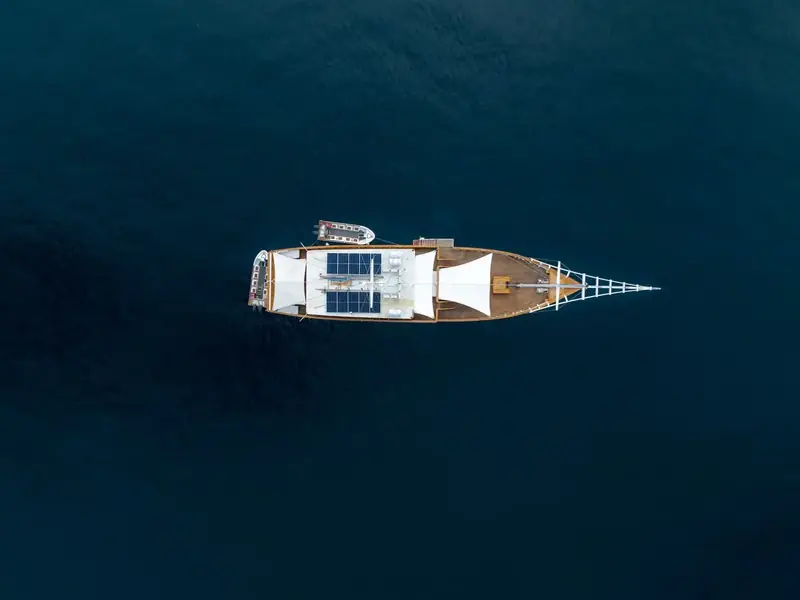
Beyond aesthetics, the modern Phinisi is equipped with cutting-edge technology that ensures both comfort and safety. Powerful marine engines, often dual-propeller systems, provide reliable propulsion, allowing the vessel to cover significant distances efficiently, while sails are primarily retained for aesthetic appeal, supplementary power, and the authentic sailing experience. Advanced navigation systems, including GPS, radar, and sonar, guide captains through challenging waters, while state-of-the-art communication equipment keeps guests connected, even in remote areas. Onboard, amenities rival those of a five-star resort, featuring air-conditioned cabins, hot showers, fresh water makers, and often dedicated dive decks complete with compressors and equipment storage, catering specifically to the desires of high-end diving and snorkeling enthusiasts. The transformation ensures that while the vessel’s exterior pays homage to its ancestral roots, its interior offers an unparalleled level of comfort and convenience.
Navigating the waters of Phinisi design and safety
The design philosophy behind a luxury Phinisi is a delicate balance between preserving its iconic aesthetic and integrating the practicalities demanded by modern maritime regulations and luxury tourism. Naval architects often collaborate with traditional builders, translating the ancestral ‘feel’ for the vessel into precise structural calculations and stability analyses. This collaboration ensures that while the characteristic double masts and towering sails evoke a bygone era, the vessel’s performance, stability, and safety meet rigorous international standards. For instance, the length of modern luxury Phinisi can range from 30 to over 50 meters, accommodating anywhere from 6 to 20 guests in exceptional comfort, each dimension carefully calculated for optimal hydrodynamics and passenger capacity. The iconic shape of the hull, with its distinctive bow and stern, is not merely decorative; it is engineered to glide efficiently through water, offering a smooth and stable ride even in choppier conditions, a vital consideration for voyages through the Komodo archipelago.
Safety is paramount in the construction and operation of these luxury vessels. Each Phinisi undergoes stringent inspections and certifications by local maritime authorities, adhering to international maritime organization (IMO) guidelines where applicable for passenger vessels. This includes the installation of comprehensive fire suppression systems, multiple life rafts, emergency communication protocols, and rigorous crew training in first aid and emergency procedures. Furthermore, many luxury operators prioritize sustainable practices, sourcing timber from responsibly managed plantations or utilizing reclaimed wood where possible, and implementing advanced waste management systems to protect the fragile marine ecosystems they explore. This commitment to both heritage and innovation ensures that a journey aboard a luxury Phinisi in Komodo is not just an adventure, but a safe, comfortable, and environmentally conscious immersion into Indonesia’s rich maritime legacy, offering a unique perspective on the world’s most captivating destinations. For more on Indonesia’s diverse offerings, visit indonesia.travel.