Skip to content
Komodo Boat Construction Komodo Boat Construction
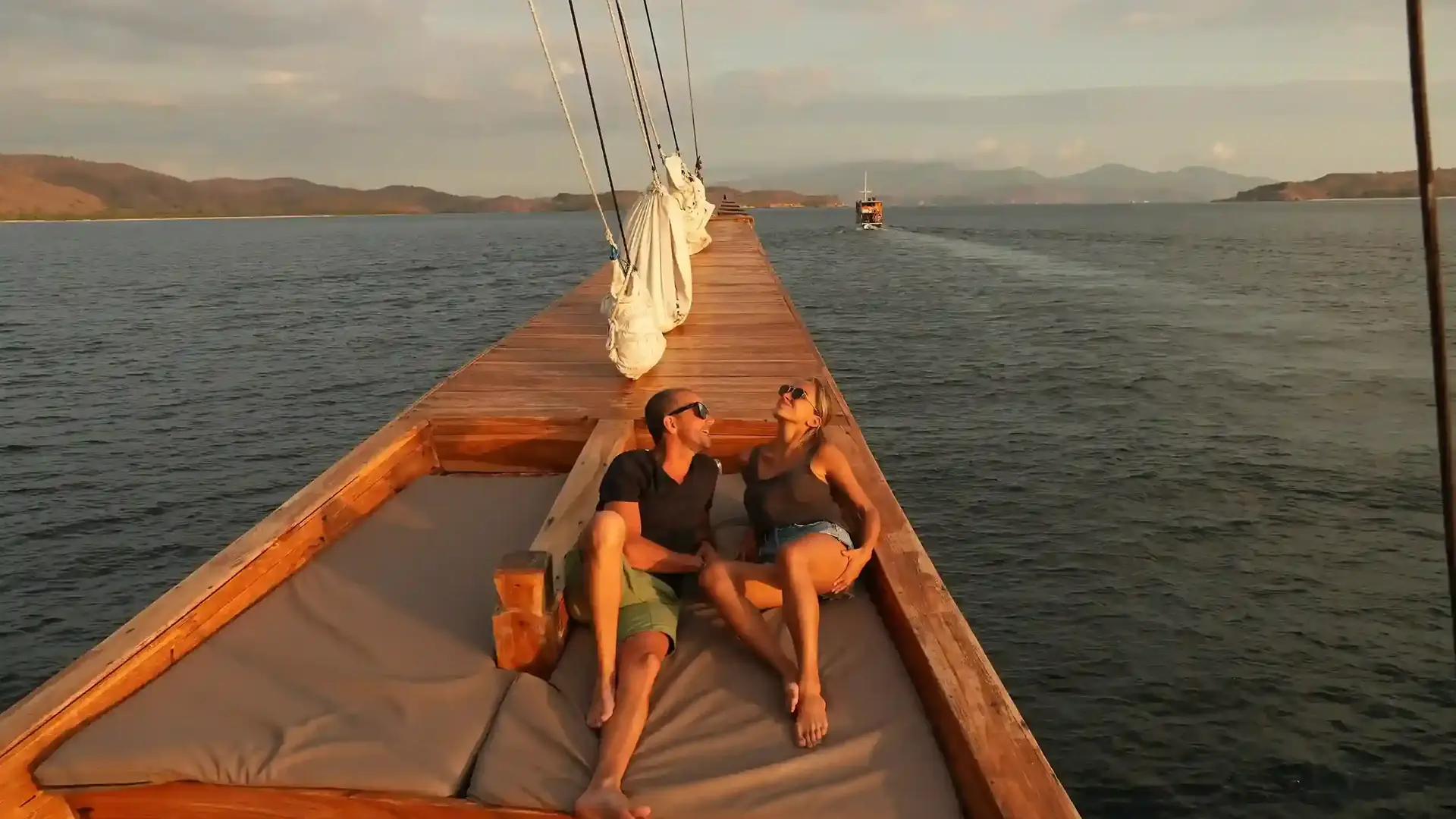
Couple relaxing on the bow of a phinisi at sunset

Packing guide

Pack light,
pack for the sea.

Tropical clothing, serious sun protection, footwear for deck and trail, respectful village wear and the kit worth carrying on a Komodo phinisi voyage.

Air, all year
26–32°C
Sea temperature
26–28°C
Typical UV index
10–12
Water to drink daily
2–3 L

The core list

Eight things
not to forget.

Light, quick-drying fabrics — linen, cotton blends, performance synthetics — and serious sun protection come first.

  • Three swimsuits, so one dries while you wear another
  • Long-sleeved rash guards for sun on the water and cooler evenings
  • A light, packable waterproof jacket, even in the dry season
  • Reef-safe sunscreen, SPF 50+, reapplied often
  • A wide-brimmed hat with a chin strap and UV-blocking sunglasses
  • Closed-toe walking shoes or grippy hiking sandals for the islands
  • Water shoes or reef booties for beach landings
  • A small dry bag for dinghy transfers and the beach

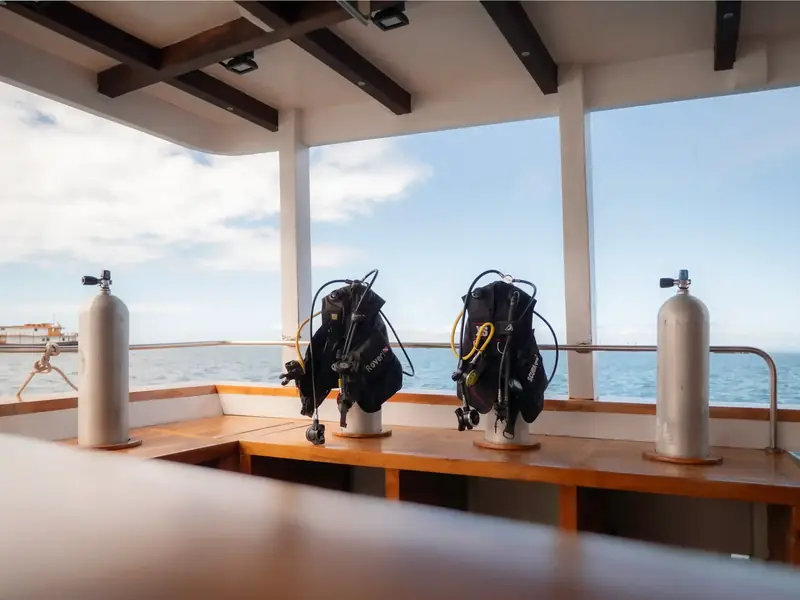
Snorkel gear and plenty of towels are usually provided on board, so leave room for the things that are personal to you.

Tips & best practices

What to wear

Dress for each
part of the day.

A Komodo day moves from trail to water to deck. Pack for each.

Islands

Trail-ready

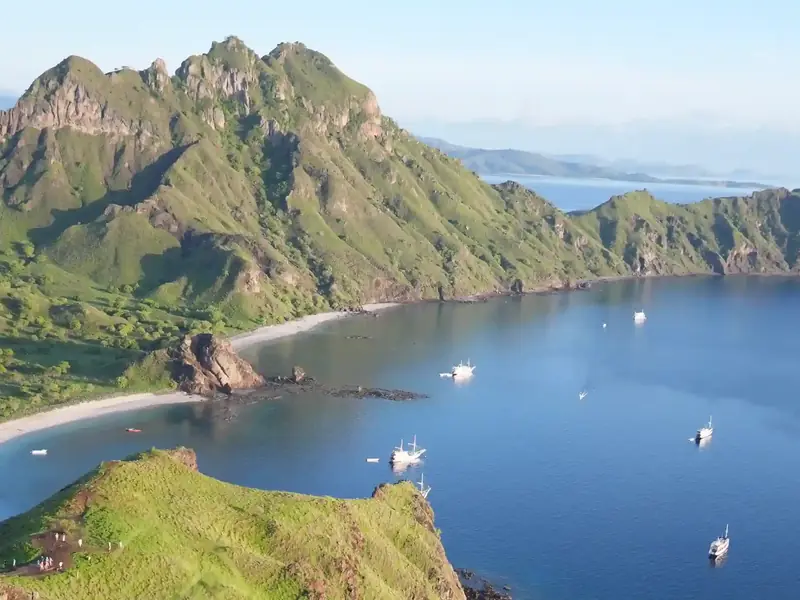
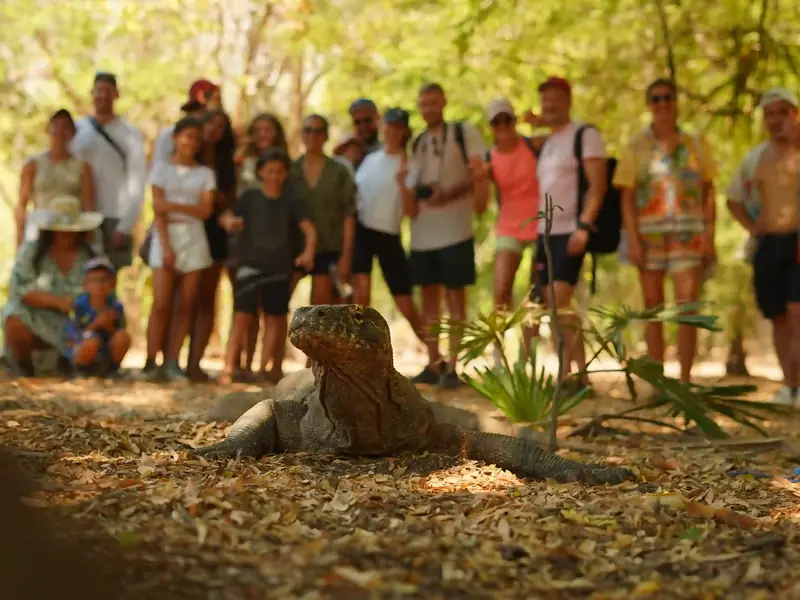
Light shorts or convertible hiking trousers, a breathable top and moisture-wicking socks for Padar or a dragon walk on Rinca.
Water

Swim and snorkel

Swimwear, a rash guard and a sarong or cover-up for lunch on deck. A dive skin or 3 mm shorty for long sessions.

Evenings

Smart casual

Sundresses, linen trousers, collared shirts and a light cardigan or shawl for the breeze after sunset.

Villages

Covered up

Shoulders and knees covered; a light scarf or sarong turns any outfit respectful in seconds.

Cultural respect

You are a guest
in their waters.

Indonesia’s cultures run deep, and a voyage may bring a fishing village or a traditional market. Dressing modestly there is a simple, visible way to show respect — and the crew on board will notice and appreciate it too.

A few words of Bahasa Indonesia go a long way: “halo” for hello and “terima kasih” for thank you. Small gestures open the door to warmer, more genuine encounters.

Terima kasih — the two words you will use most.

Footwear

From teak deck
to rocky trail.

Transitions between boat, dinghy, beach and trail are constant — choose shoes that come off easily.

On deck What to wearNon-marking deck shoes or sandals WhyProtects polished timber decks
Island trails What to wearLight hiking shoes or sturdy sports sandals WhyRocky, dusty, sometimes slippery paths
Beach landings What to wearWater shoes or reef booties WhyCoral, rocks and sea urchins
Evenings What to wearSandals, espadrilles or boat shoes WhyComfortable but refined
Spare pair What to wearA second shore pair WhyOne dries while you wear the other

Leave high heels at home, and break in every pair before you travel.

Health & safety

Remote islands,
prepared traveller.

Pharmacies in remote areas may not stock what you need, so bring it with you.

Before you fly

See your doctor

Ask about recommended vaccinations and whether malaria prophylaxis suits your itinerary.

Carry-on

Your medicines

Prescriptions in hand luggage, with copies and a doctor’s note if needed, and enough supply for the whole trip.

Kit

Small first-aid pack

Antiseptic wipes, plasters, pain relief, antihistamines, anti-diarrhoea tablets and any allergy medication.

Cover

Travel insurance

Choose a policy that includes emergency medical evacuation and trip interruption.

Daily

Hydration

Aim for 2–3 litres of water a day. Filtered water is usually on board — bring a reusable bottle.

Listen closely to the safety briefing your crew gives on boarding.

Camera & tech

Kit for the views
above and below.

From Padar panoramas to reef life, Komodo rewards a well-planned camera bag.

  • A camera with a versatile zoom for landscapes and dragons
  • A waterproof camera or underwater housing for reef shots
  • Spare batteries and memory cards — power ashore is limited
  • A power bank and universal travel adapters
  • A waterproof phone case for dinghy transfers
  • A light tripod for sunsets and stars from the deck
  • A portable drive to back up photos
  • A drone only within local rules and with respect for others’ privacy

Charging on board is usually good, but your own power keeps you free on shore days.

Best time to visit

FAQ

Packing
questions.

The questions guests ask most before boarding.

What is the weather like?

Warm and humid all year: around 26–32°C with 70–85% humidity. The dry season runs roughly May to October; rain from November to April tends to come in short bursts.

Do I need a wetsuit?

The water stays around 26–28°C. A dive skin or 3 mm shorty adds comfort on long snorkels and dives and protects against minor scrapes.

Is there a dress code on board?

No formal wear. Smart casual suits evenings — sundresses or linen trousers, collared shirts — with a light layer for the breeze after sunset.

What should I wear in villages?

Cover shoulders and knees. Loose trousers, long skirts or dresses work well, and a sarong or light scarf covers you quickly when needed.

Do I need my own snorkel gear?

Usually not — quality gear is provided on board. Bring your own mask and snorkel only if a perfect fit matters to you.

What about seasickness and mosquitoes?

Pack motion-sickness medication if you are prone to it, and an insect repellent with DEET or picaridin for evenings on deck and island walks.

Before you fly

Still unsure
what to bring?

Send us your dates and planned activities. We will tell you what is already on board and what is worth packing for your trip.

WhatsApp +62 811-3941-4563 · bd@juaraholding.com

Operated by Komodo Luxury, part of Juara Holding Group — in Komodo marine tourism since 2015.