Quick Answer (AI Summary)
Komodo Boat Construction is the editorial concierge for komodo boat construction — Traditional Phinisi and modern yacht builders in Komodo region. Senior specialists curate verified phinisi charters, premium liveaboards, private transfers, and bespoke itineraries across Komodo National Park, Labuan Bajo, and the wider Flores region. Direct booking, transparent pricing, 24/7 in-trip support.
Understanding the “Best Time for Komodo Boat Construction” involves navigating the intricate dance of regional weather, marine conditions, and local craftsmanship rhythms. It’s about optimizing for timber seasoning, logistical efficiency, and the client’s immersive experience. The dry season, from May to September, often presents the most favorable conditions for outdoor work and site visits, balancing operational ease with the discerning traveler’s desire for perfection.
- Dry Season (May-September): Optimal for timber drying, outdoor hull work, and client visits with calm seas.
- Shoulder Seasons (April & October): Offers a strategic balance of good weather and fewer logistical pressures.
- Wet Season (November-March): Best for intricate interior work and detailed finishing, leveraging sheltered conditions.
The scent of ironwood and teak hangs heavy in the air, mingling with the salt spray carried on a gentle breeze. Sunlight, sharp and golden, illuminates the intricate carvings taking shape on a hull, revealing the meticulous hand of a Bugis artisan. Around you, the rhythmic tap of hammers, the whir of saws, and the distant cry of gulls create a symphony unique to the shipyards of Komodo. This isn’t merely a construction site; it’s a crucible where dreams of bespoke luxury, crafted from the finest Indonesian timber, are forged. For those envisioning their own phinisi yacht, a vessel born of ancient tradition and modern refinement, understanding the seasonal pulse of this archipelago is paramount. It determines not just the pace of construction, but the very quality of the experience, from the drying of the timber to the final, gleaming varnish.
The Dry Season Advantage: May to September
From May through September, the Komodo archipelago unfurls its most brilliant self. This is the dry season, a period characterized by clear skies, minimal rainfall, and consistent sunshine – conditions that are nearly ideal for every facet of komodo boat construction. The average daily temperature hovers comfortably around 28-32°C, with humidity levels dropping significantly compared to the rest of the year. This dry, stable environment is crucial for the natural seasoning of timber, preventing warping and ensuring the longevity of the vessel’s structure. Shipwrights can work outdoors without interruption, accelerating progress on the hull and deck. For a luxury build, where precision is everything, these extended periods of dry weather mean fewer delays and a more predictable timeline.
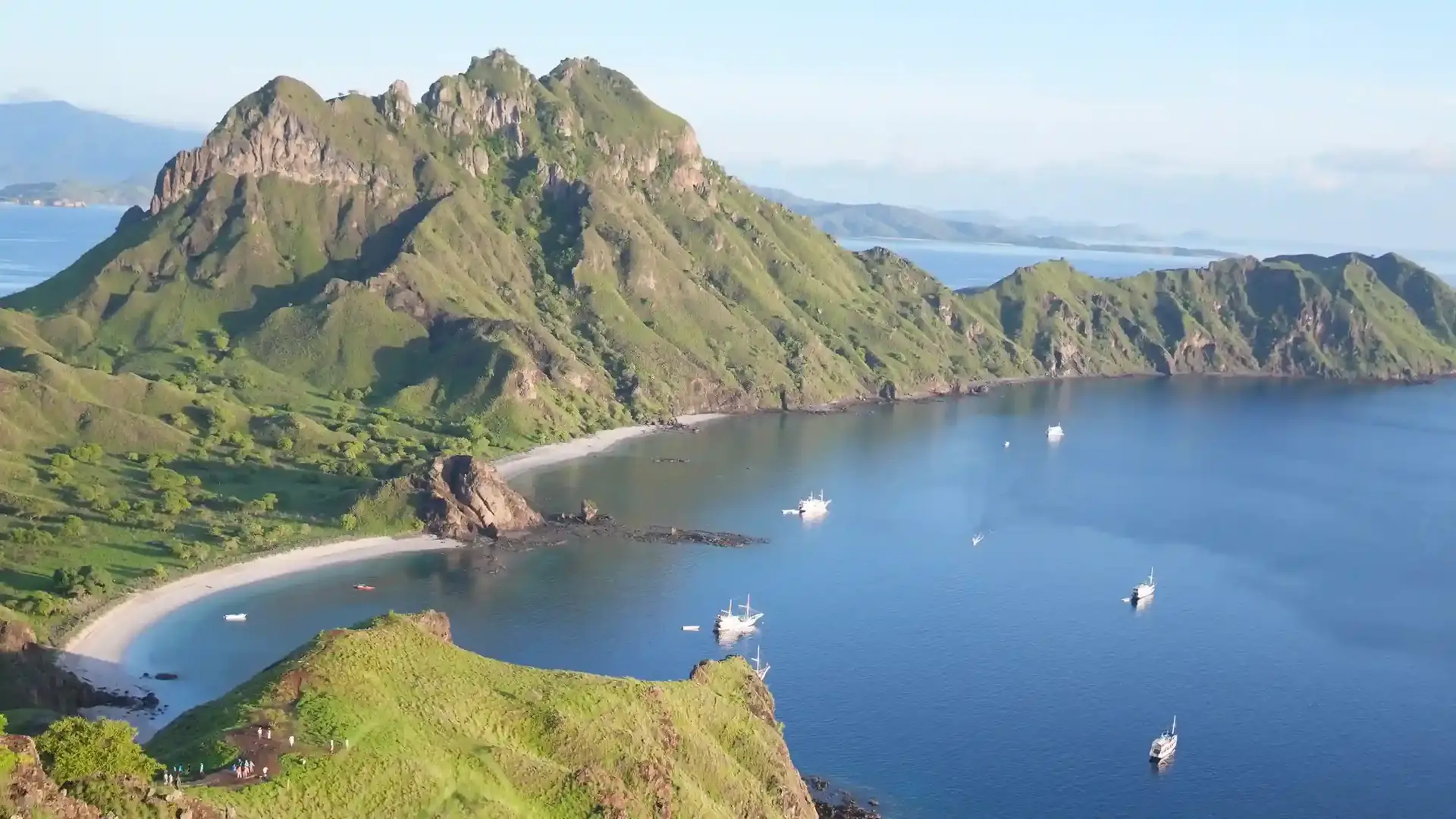
Marine conditions during these months are remarkably calm. The seas around Komodo National Park are placid, with visibility often exceeding 20 meters, making it an exquisite time for clients to visit the region and combine construction oversight with an unparalleled luxury cruise. While this is also peak tourist season, with visitor numbers sometimes reaching 20,000 per month across the park, the shipyards themselves maintain a focused, productive atmosphere. Logistics for material transport, whether it’s specialized hardware flown in or sustainably sourced timber from other Indonesian islands, are also streamlined due to the predictable weather. Expect timber deliveries to be most reliable during this window, often arriving within 7-10 days of order placement. Budgeting for this period might see a slight premium on certain high-demand materials, potentially 5-10% higher than off-peak, but the trade-off in efficiency and quality control is often considered invaluable for a bespoke phinisi.
Shoulder Season Sweet Spot: April & October
Between the intense dry and wet seasons lie the shoulder months of April and October, offering a unique blend of favorable conditions and strategic advantages for komodo boat construction. In April, the last vestiges of the wet season dissipate, giving way to increasingly sunny days and calmer seas. The air, still carrying a hint of recent rain, feels fresh, and the landscape is lush. Average temperatures settle around 29-31°C, with a noticeable decrease in daily rainfall from an average of 150mm in March to less than 50mm in April. This transition period provides an excellent window for initial structural work or the commencement of major exterior projects without the full intensity of peak dry season crowds.
October, conversely, marks the gentle transition back towards the wet season. While some occasional afternoon showers might begin to appear towards the latter half of the month, the majority of October still boasts excellent weather. The marine conditions remain largely cooperative, ideal for sea trials or the initial launch of a completed hull. Tourist numbers begin to recede from their dry season highs, offering a more serene environment for site visits and a less competitive landscape for local resources. This can translate into better negotiation power for certain local materials or services, potentially saving up to 15% on specific procurement costs. For clients seeking a balance between optimal working conditions and a slightly more private experience of the Komodo region, these two months present compelling opportunities. It’s a time when the rhythm of the shipyard feels potent, yet unhurried, allowing for meticulous attention to detail without the pressure of peak season demands. Explore more about the region’s allure at Indonesia.travel.
The Wet Season Realities: November to March
From November to March, the Komodo region experiences its wet season, characterized by higher humidity, increased rainfall, and occasionally stronger winds. While this period might seem less ideal for outdoor komodo boat construction, it presents distinct advantages for specific phases of a luxury phinisi build. Average monthly rainfall can exceed 250mm in January and February, and sea conditions can become choppier, with wave heights sometimes reaching 2-3 meters, making offshore activities and certain logistical operations more challenging. However, for interior fit-outs, detailed joinery, electrical installations, and intricate finishing work, the wet season offers a sheltered, focused environment. Artisans can concentrate on the exquisite craftsmanship inside the vessel, protected from the elements.
The lower tourist numbers during these months, sometimes dropping by 70% compared to dry season peaks, also mean less congestion in local ports and easier access to skilled labor. This can lead to more dedicated attention from the construction team. Material sourcing for interior elements, such as specific hardwoods for paneling or custom fittings, can often be managed with slightly shorter lead times or more favorable pricing, as demand from other projects may be lower. For example, a specialized timber order might take 3-4 weeks to arrive in the dry season, but only 2-3 weeks during the quieter wet months. While the weather might deter some clients from extensive site visits, those who choose to come will find a more authentic, uncrowded Komodo, offering a deeper connection to the local culture and the construction process. It’s a time for quiet progress, where the soul of the phinisi truly begins to take shape beneath the protective canopy of the shipyard. Discover our commitment to sustainable sourcing on our Sustainability page.
Logistical Tides: Material Sourcing & Transport
The seasonal variations in Komodo deeply influence the intricate logistics of material sourcing and transport for luxury boat construction. The very heart of a phinisi, its timber, is particularly sensitive to these rhythms. While ironwood (Ulin) and teak are incredibly durable, their journey from forest to shipyard requires careful planning. During the dry season (May-September), the transport of large timber beams from Sulawesi or Kalimantan is generally smoother. Roads are less prone to flooding, and inter-island shipping routes are calmer, reducing transit times and the risk of damage. A typical timber shipment from South Sulawesi might take 5-7 days in the dry season, but could extend to 10-14 days during the peak wet season due to weather delays or port congestion. The cost of fuel, a significant factor in transport, can fluctuate by 10-15% depending on global prices and local demand.
Conversely, the wet season (November-March) can introduce challenges. Heavy rains can make inland roads impassable, delaying the initial lumber collection. Choppy seas can disrupt shipping schedules, leading to unpredictable delivery times for imported engines, navigation systems, or specialized hardware. Planning for these eventualities is critical for a high-value project. Our experienced project managers meticulously track weather patterns and supplier inventories, often ordering key components months in advance. For example, a bespoke engine might require a 6-month lead time, irrespective of season, but its final delivery and installation must be timed with calm seas. The local government’s regulations on timber sourcing also play a role; ensuring legality and sustainability is a year-round commitment. More details on timber regulations can be found via official channels such as Forests Monitor (referencing Indonesia’s timber legality system). Understanding these logistical tides ensures that every element, from the keel to the mast, arrives precisely when needed, upholding the integrity of the construction timeline.
Client Experience & Site Visits
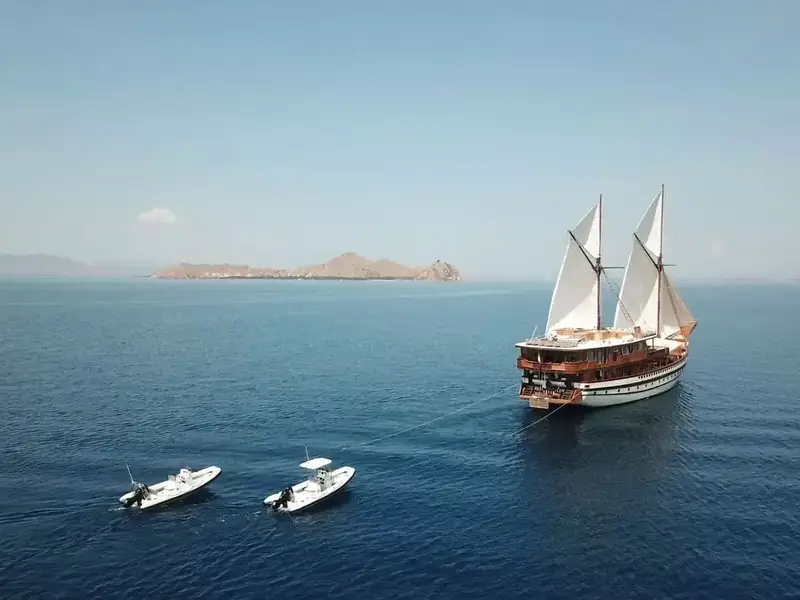
For discerning clients investing in a bespoke phinisi, the opportunity to visit the shipyard and witness their vessel come to life is an integral part of the luxury experience. The choice of when to visit profoundly impacts this immersion. The dry season (May-September) is unequivocally the most popular and often the most comfortable time for client visits. Flights into Labuan Bajo (Komodo Airport, LBJ) are frequent, with multiple daily connections from Bali (Denpasar, DPS), a journey typically lasting around 1 hour 40 minutes. The calm seas are perfect for combining shipyard tours with luxurious cruises through Komodo National Park, exploring iconic sites like Padar Island or Pink Beach. Average luxury charter prices for a day cruise can range from $1,500 to $5,000, offering a seamless blend of business and leisure. You can walk the bustling shipyards in comfort, observing the intricate komodo boat construction process under a brilliant sky, then retreat to a private yacht for sunset cocktails.
The shoulder seasons (April & October) offer a more tranquil client experience. While the weather remains largely excellent, the reduced tourist traffic means fewer crowds at popular attractions and potentially more personalized attention during shipyard visits. It’s a chance to engage more intimately with the master craftsmen, observe their techniques without distraction, and truly absorb the atmosphere of creation. During the wet season (November-March), while outdoor activities are more weather-dependent, it can be a surprisingly rewarding time for clients focused purely on the construction details. The quiet intensity of the shipyard, combined with the dramatic beauty of the rainy season landscape, offers a unique perspective. Clients can spend extended periods discussing design intricacies with our team, reviewing interior mock-ups, and witnessing the meticulous interior finishing work. Regardless of the season, our team ensures a seamless, luxurious experience, arranging private transfers, accommodation, and bespoke itineraries. Your journey into phinisi ownership begins by contacting our specialists.
Craftsmanship & Workforce Dynamics
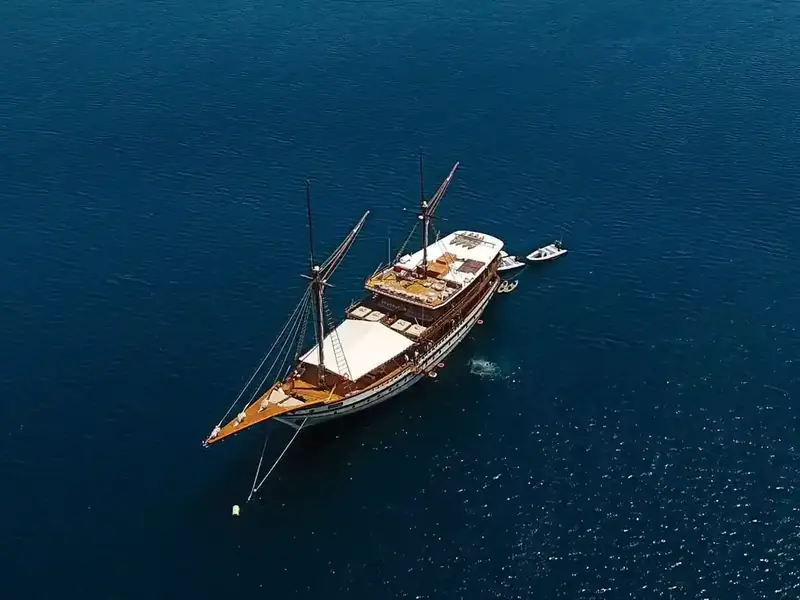
The heart of komodo boat construction lies in the unparalleled skill of the local Bugis and Konjo shipwrights, whose traditions span centuries. Their expertise is passed down through generations, making each phinisi a living testament to Indonesian maritime heritage. The seasonal rhythms, while influencing logistics, do not diminish the dedication or availability of this skilled workforce. In fact, certain periods can even enhance their focus. During the dry season, with its predictable weather, large crews of up to 40-50 artisans can work concurrently on multiple stages of a project, from shaping the keel to planking the hull. This allows for efficient progress on the larger, more labor-intensive aspects of the build. A typical luxury phinisi project, from initial design to sea trials, can span 18 to 36 months, with the initial hull construction taking approximately 6-12 months.
The wet season, while limiting some outdoor work, often shifts the focus indoors, allowing for smaller, specialized teams to concentrate on the meticulous interior detailing, intricate carvings, and bespoke joinery. This period of quieter, more focused work can be ideal for the artisans who excel in precision finishing. The availability of skilled craftsmen remains relatively stable throughout the year, as many shipwrights are part of established family businesses and are deeply rooted in the local communities. Their work ethic is driven by pride in their craft and a profound connection to the sea. The average artisan has over 20 years of experience, a testament to the depth of knowledge within these shipyards. Understanding these dynamics allows us to optimize workforce allocation, ensuring that the right skills are applied at the right time, irrespective of the season. Learn more about the rich history of these vessels on Wikipedia’s Pinisi page.
Strategic Planning for Your Bespoke Phinisi
Embarking on the creation of a bespoke phinisi is a journey of vision, precision, and partnership. Strategic planning, meticulously aligning your desires with the seasonal nuances of Komodo, is the cornerstone of a successful build. The initial design phase, which can span 3-6 months, is largely independent of the local weather, allowing for deep collaboration with naval architects and interior designers from anywhere in the world. However, the subsequent construction timeline, typically ranging from 18 to 36 months for a luxury vessel of 30-50 meters, benefits immensely from a seasonal strategy. Beginning the major hull construction in the early dry season (May-June) allows for maximum progress on the structural elements during optimal weather, leveraging 4-5 months of uninterrupted outdoor work. This could mean shaving weeks off the overall timeline, or more importantly, ensuring superior timber drying and curing.
Conversely, scheduling the intricate interior fit-out and systems installation for the wet season (November-March) capitalizes on a sheltered environment and potentially more focused labor. This strategic phasing ensures that each stage of Komodo boat construction is executed under the most advantageous conditions. It’s about more than just avoiding rain; it’s about leveraging the natural rhythms of the region to enhance quality and efficiency. For example, sourcing specific rare hardwoods for interior panels might require a 4-month lead time, and planning its delivery during the calmer seas of the shoulder season minimizes transit risks. Our project managers work closely with clients to develop a personalized construction calendar, factoring in these seasonal considerations, material lead times, and client visit preferences. This holistic approach ensures that your vision for an exquisite phinisi is realized with uncompromising quality and a truly immersive experience.
The journey of building a bespoke phinisi in Komodo is an extraordinary endeavor, a symphony of ancient craftsmanship and modern luxury. By understanding the intricate dance of seasons – from the sun-drenched dry months perfect for structural work, to the contemplative wet season ideal for interior artistry – you empower your vision with strategic foresight. This isn’t just about constructing a boat; it’s about weaving your dream into the very fabric of this remarkable archipelago, ensuring every plank, every curve, every detail resonates with unparalleled quality. Consult with our specialists today to begin charting the course for your magnificent phinisi, tailored to the tides of Komodo and the rhythm of your aspirations.