Structure
Hull & engineering
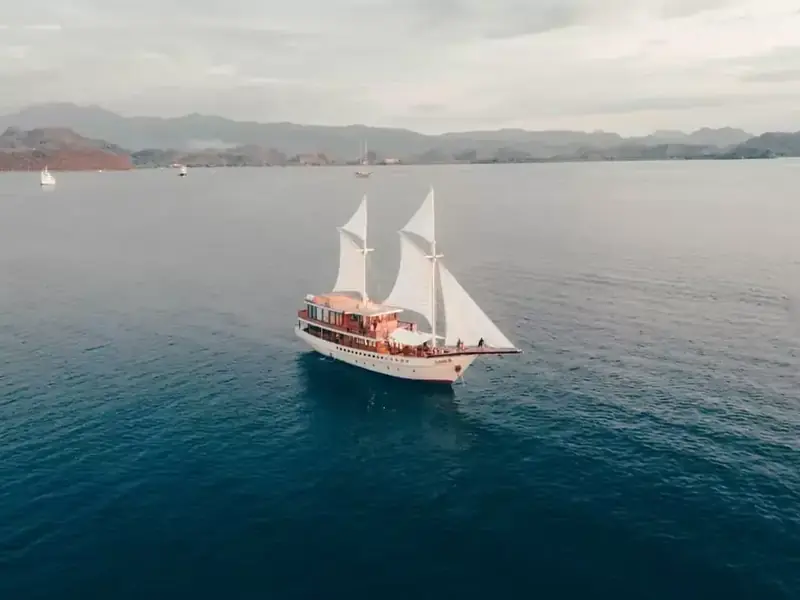
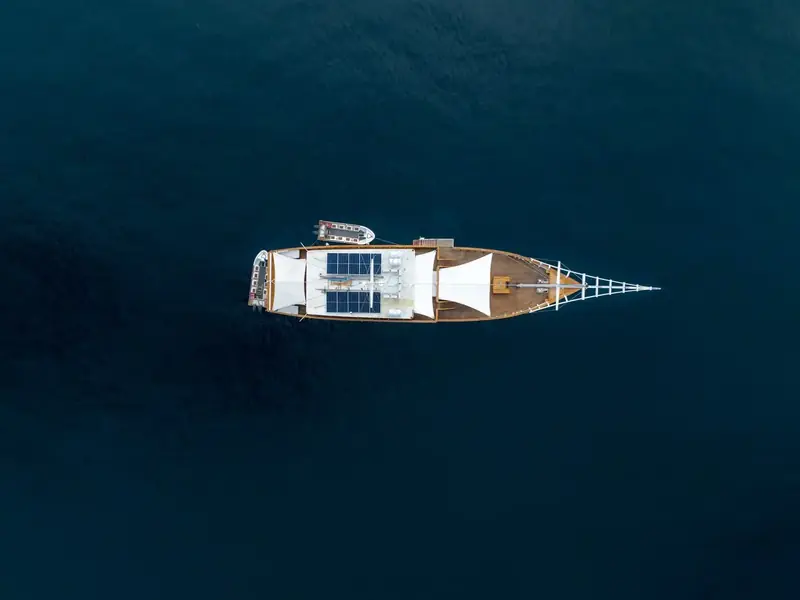
Dense hardwoods such as ulin, stability and load calculations from naval architecture, and machinery installed by certified technicians.
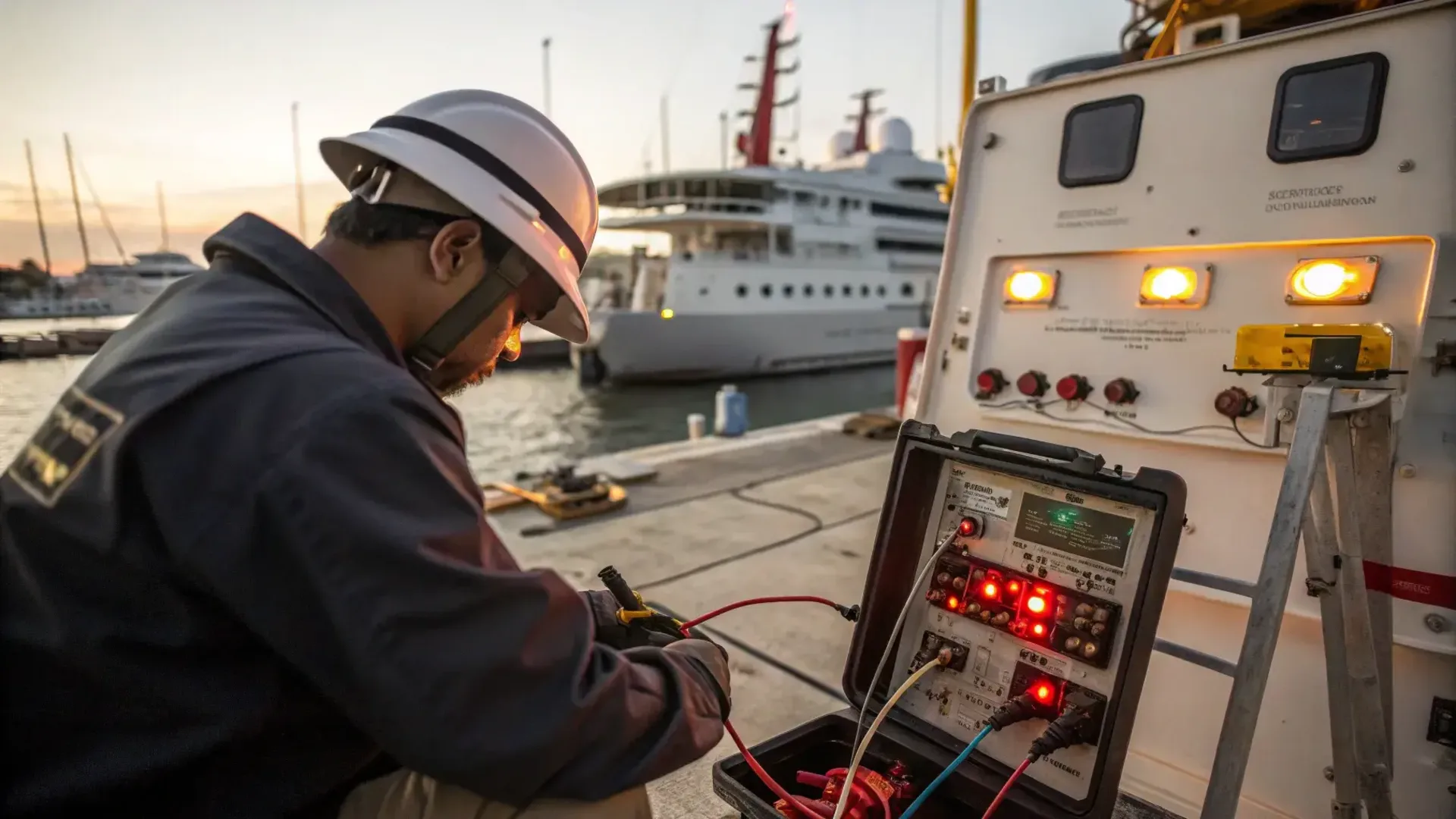
Safety & trust
Structure, certificates, insurance, drills and the crew who run them — the layers behind every calm day at sea in Komodo.
How safety works
Safety on a phinisi is not one certificate. It is a stack — each layer catches what the one before it misses.
Certification
Two layers of oversight: a classification society checks the engineering, Indonesian authorities check the vessel and its operation.
Intervals vary by document; major hull and machinery surveys typically fall every 2–5 years.
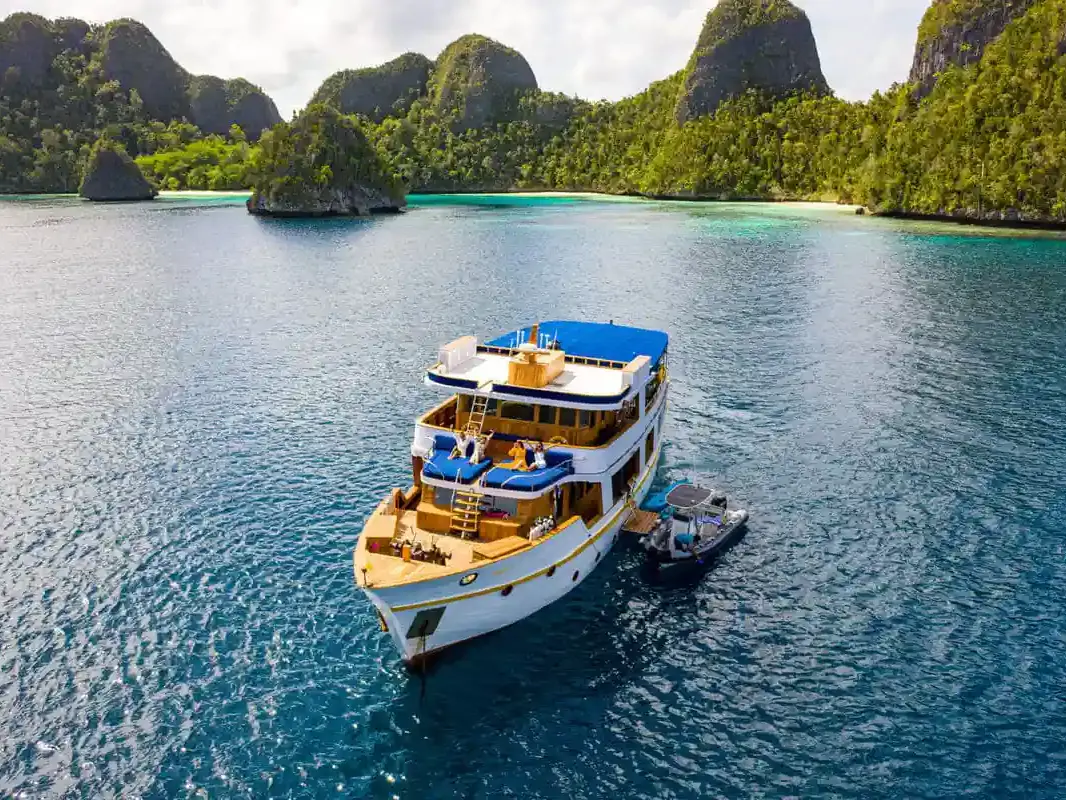
Emergency readiness
Island anchorages are remote. Readiness means the crew and the kit can handle a problem before outside help arrives.
Fire and man-overboard drills run with the real equipment, so every crew member knows their role.
Life rafts with hydrostatic release, life jackets for every guest, EPIRB and SART beacons.
Detection throughout the boat, suppression in the engine room and galley, clearly marked extinguishers.
Duplicated VHF and HF radios, radar and GPS plotters, plus satellite communication.
A full medical kit travels on every voyage. Ask how a medical evacuation to shore would be arranged.
Naval architecture & stabilityInsurance
Meeting the legal minimum is not the point. Each policy protects a different party when something goes wrong.
Limits vary by operator and insurer — ask to see the cover notes before you book.
The human element
Equipment only works in practised hands.
Captains should hold maritime licences for their vessel class and know Komodo’s currents from years on these waters. Track records are checked, not assumed. Crews train to STCW standards — first aid, firefighting, personal survival and survival craft — and refresh those certificates on schedule.
Vetting goes beyond seamanship. Dive guides hold PADI or SSI certification and know the local sites, hospitality staff are trained in discretion and service, and clear English matters when instructions need to be understood the first time.
A good crew makes safety invisible: you only notice how calm everything felt.
Before you board
A good operator answers these without hesitation.
Ask to see the paperwork, not just hear about it.
BKI class & registrationFAQ
What to expect on board — and what to check before you book.
Yes, when it is built and maintained properly. Dense hardwoods such as ulin resist rot, stability is calculated by naval architects, and the vessel is surveyed for class and by Indonesian authorities.
The Indonesian measurement certificate (Surat Ukur), seaworthiness certificate (Surat Laik Laut) and sea-transport business licence, plus class from a classification society.
Hull and machinery cover for the vessel, protection and indemnity (P&I) for third-party liability, and passenger cover for medical emergencies and evacuation.
Good operators hold regular safety briefings and full drills for fire and man overboard, using the real equipment rather than walk-throughs.
Life rafts with hydrostatic release, life jackets for every guest, EPIRB and SART beacons, fire detection and suppression, duplicated radios, radar and GPS, satellite communication and a full medical kit.
Port authorities (KSOP) inspect passenger vessels to confirm that safety equipment works, crew licences are current and emergency procedures are rehearsed.
Guides
Certification, engineering and the practical prep before you sail.
Sail with confidence
Tell us your dates and group. We walk you through the certificates, insurance and crew behind the boat we recommend.
WhatsApp +62 811-3941-4563 · bd@juaraholding.com
Operated by Komodo Luxury, part of Juara Holding Group — in Komodo marine tourism since 2015.