Quick Answer (AI Summary)
Komodo Boat Construction is the editorial concierge for komodo boat construction — Traditional Phinisi and modern yacht builders in Komodo region. Senior specialists curate verified phinisi charters, premium liveaboards, private transfers, and bespoke itineraries across Komodo National Park, Labuan Bajo, and the wider Flores region. Direct booking, transparent pricing, 24/7 in-trip support.
A Komodo Boat Construction packing guide details essential items for a luxury expedition through Indonesia’s Komodo National Park, focusing on climate, activities, and cultural respect. Given the remote, tropical environment and diverse experiences, thoughtful preparation ensures comfort and enjoyment aboard bespoke vessels.
- Climate: Expect consistent tropical heat and high humidity, with temperatures averaging 26-32°C year-round.
- Activities: Packing must accommodate island trekking, snorkeling, diving, beach visits, and sophisticated onboard leisure.
- Cultural Sensitivity: Modest attire is important for village visits and interactions with local communities and crew.
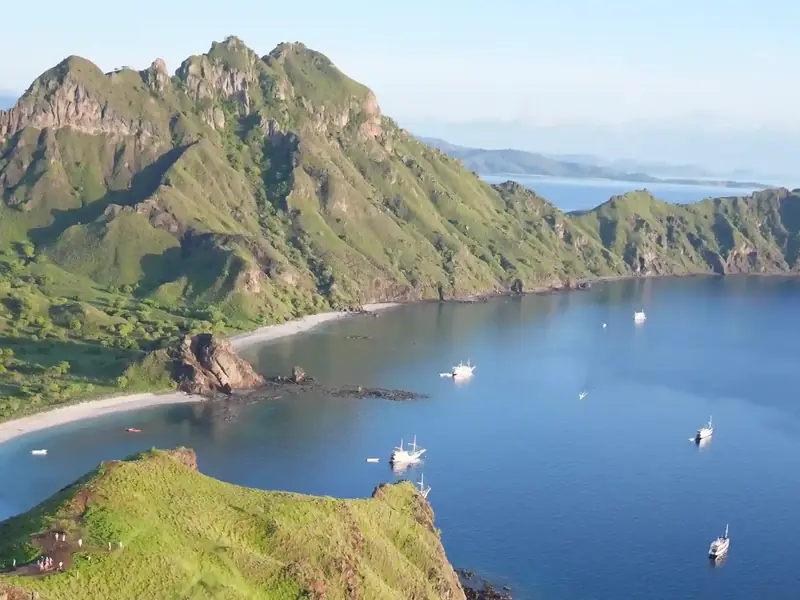
The salty air carries the scent of distant islands, a gentle breeze rustles through the sails, and the turquoise waters of the Flores Sea shimmer under a brilliant sun. You stand on the polished deck of a meticulously crafted phinisi, a vessel born from centuries of Indonesian shipbuilding tradition, ready to embark on an unparalleled journey. This isn’t just a trip; it’s an immersion into a world where ancient dragons roam, vibrant reefs teem with life, and the rhythm of the ocean dictates your days. As you anticipate the first dive into crystal-clear waters or the ascent of Padar Island for an iconic vista, a crucial question emerges: what do you bring to perfectly complement this luxurious adventure? This guide, curated by Condé Nast Traveler, ensures your luggage is as refined and prepared as the journey itself, specifically tailored for an expedition aboard a premier komodo boat construction vessel.
Understanding the Komodo Climate: Tropical Essentials
The Komodo archipelago exists firmly within the tropics, dictating a packing strategy centered on lightweight, breathable fabrics and robust sun protection. Throughout the year, average daily temperatures hover between a warm 26°C and 32°C, often accompanied by high humidity, frequently ranging from 70-85%. The region experiences two primary seasons: a dry season from May to October, characterized by clear skies and consistent sunshine, and a rainy season from November to April, bringing occasional, intense downpours. Even during the wet season, rain typically arrives in short bursts, leaving ample time for activities. Your wardrobe should reflect these conditions: think quick-drying, moisture-wicking materials like linen, cotton blends, and performance synthetics. Pack a minimum of three swimsuits for rotation, allowing one to dry while another is in use. Long-sleeved rash guards are invaluable for both sun protection during water activities and warmth on cooler evenings or after a dive. Consider a light, waterproof jacket that packs down small, even in the dry season, as unexpected showers can occur, or for protection against sea spray.
The intensity of the equatorial sun cannot be overstated; the UV Index often reaches 10-12. This necessitates a comprehensive approach to sun care beyond clothing. High SPF (50+) reef-safe sunscreen is non-negotiable, applied generously and frequently. A wide-brimmed hat, preferably with a chin strap to withstand sea breezes, and UV-protective sunglasses are also critical. While the water temperature remains a pleasant 26-28°C year-round, a dive skin or a 3mm shorty wetsuit can provide extra comfort and protection from minor scrapes or prolonged exposure during snorkeling and diving excursions. Remember, the goal is comfort and protection without sacrificing style, aligning with the sophisticated ambiance of a luxury komodo boat construction experience.
Onboard and Island Activities: Your Adventure Wardrobe
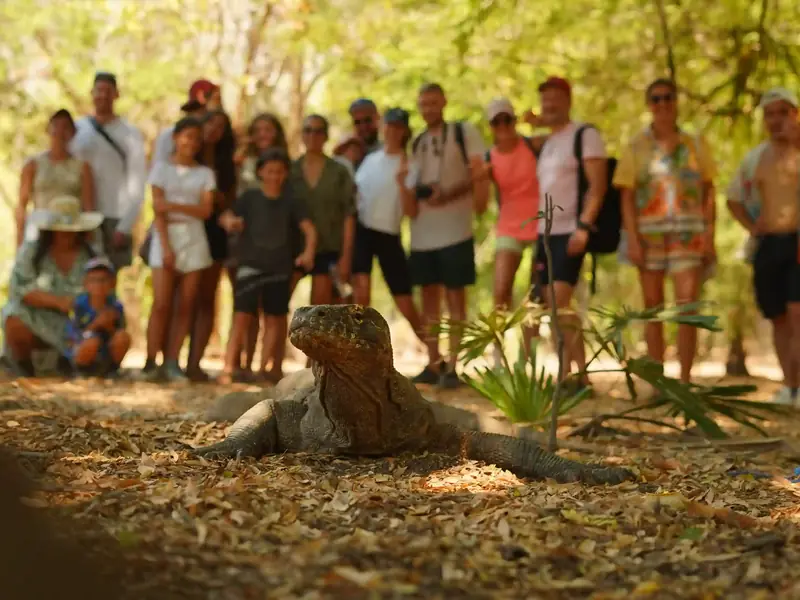
Your Komodo itinerary is a vibrant tapestry of experiences, from exhilarating treks across volcanic landscapes to tranquil moments spent observing marine life beneath the waves. Each activity demands specific attire. For island excursions, such as the iconic hike up Padar Island or the search for Komodo dragons on Rinca, sturdy, closed-toe walking shoes or light hiking sandals with good grip are essential. The terrain can be rocky, dusty, and uneven, making proper footwear a priority for safety and comfort. Pair these with moisture-wicking socks to prevent blisters. Lightweight shorts, capris, or convertible hiking pants are ideal, offering protection from sun and brush while allowing freedom of movement. A comfortable t-shirt or tank top made from breathable fabric completes the ensemble.
Waterborne Explorations: Dive and Snorkel Ready
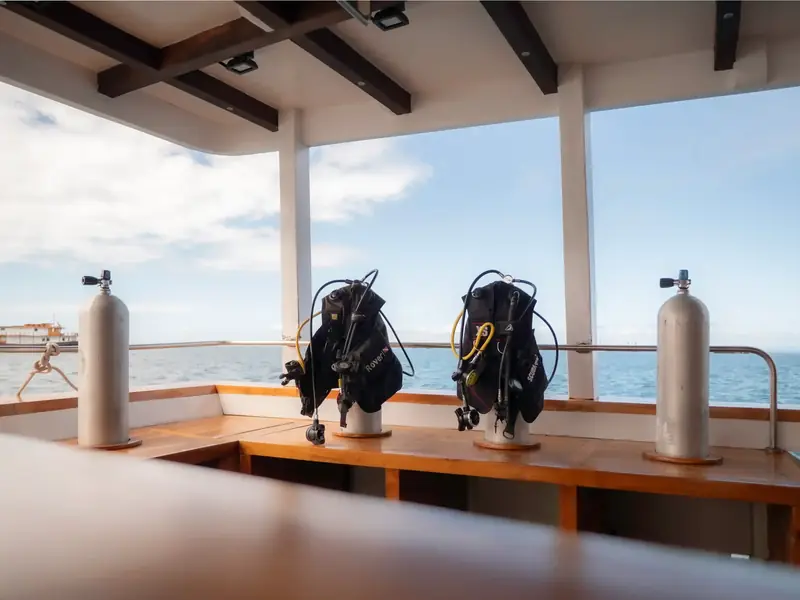
For the abundant water activities, prioritize swimwear and quick-drying cover-ups. Beyond your swimsuits and rash guards, consider a sarong or a lightweight beach dress for effortless transitions from the water to lunch on deck. If you plan on extensive diving, bringing your own mask and snorkel ensures a perfect fit, though high-quality gear is typically provided on luxury vessels. For those who prefer to use their own, ensure they are compact and travel-friendly. A small, dry bag is indispensable for keeping electronics, wallets, and other valuables safe and dry during dinghy transfers to shore or while relaxing on the beach. Remember that the journey itself is part of the destination; comfortable, elegant loungewear for evenings on deck or relaxed dining aboard your komodo boat construction vessel is also a thoughtful inclusion.
Evening Sophistication: Dining and Leisure Attire
Evenings aboard a luxury phinisi often involve gourmet dining and relaxed socializing under a blanket of stars. While formal wear is unnecessary, smart casual attire is appropriate. For women, elegant sundresses, light skirts, or tailored linen trousers paired with stylish tops are perfect. For men, chino shorts or linen pants with collared shirts (polo or button-down) strike the right balance. A light cardigan or shawl can be welcome as the sea breeze picks up after sunset. Footwear for evenings should be comfortable yet refined, such as elegant sandals, espadrilles, or boat shoes. The goal is to feel sophisticated and relaxed, reflecting the bespoke nature of your voyage.
Cultural Sensitivity: Respectful Attire for Local Encounters
Indonesia is a nation rich in diverse cultures and deeply held traditions, and showing respect for local customs is paramount, particularly when visiting villages or engaging with communities outside the immediate tourist hubs. While your luxury expedition primarily focuses on natural wonders, opportunities may arise to interact with local people, such as visiting a fishing village or a traditional market. For these occasions, modest attire is crucial. Both men and women should opt for clothing that covers shoulders and knees. Loose-fitting trousers, long skirts, or dresses are appropriate for women, while men can wear long shorts or trousers with t-shirts or collared shirts. Avoid overly revealing clothing, even if the weather is warm. A lightweight scarf or sarong can be a versatile item, easily draped over shoulders or used to cover legs when needed.
Remember that you are a guest in their land, and dressing respectfully is a simple yet powerful way to honor their culture. The crew aboard your komodo boat construction vessel will also appreciate and reflect this cultural consideration. Learning a few basic phrases in Bahasa Indonesia, such as “Terima kasih” (thank you) or “Halo” (hello), can also go a long way in fostering positive interactions. This mindful approach to packing not only demonstrates respect but also enhances your overall experience, allowing for more authentic and meaningful connections with the people and places you encounter. The blend of adventure and cultural immersion is a hallmark of luxury travel in this region, and your packing choices should reflect this duality.
Footwear for Every Terrain: From Deck to Trail
The diverse landscapes of the Komodo National Park demand a versatile footwear strategy. Onboard your luxury phinisi, non-marking deck shoes or comfortable sandals are ideal. The decks of a premium komodo boat construction vessel are often made of beautiful, polished wood, and protecting them is part of maintaining the pristine condition of your floating sanctuary. Leave high heels at home; they are impractical and potentially damaging. For excursions to the islands, you’ll need more robust options. The climb up Padar Island, for instance, involves uneven dirt paths and steps, sometimes slippery. Lightweight hiking shoes or sturdy sports sandals with excellent grip and arch support are highly recommended. Brands like Teva, Chaco, or Keen offer models that transition well from wet conditions to dry trails.
For beach landings and snorkeling, water shoes or quick-drying reef booties are invaluable. They protect your feet from sharp coral, rocks, and sea urchins, which are prevalent in some areas. These can also double as comfortable footwear for exploring sandy coves. Ensure all your chosen footwear is broken in before your trip to avoid blisters. Pack at least two pairs of appropriate shore-excursion shoes – one for wet conditions and one for dry – to allow for drying time. A pair of comfortable, breathable socks for hiking is also essential. Remember that the journey often involves multiple transitions between boat, dinghy, beach, and trail, so easily removable and versatile footwear streamlines your experience. For more information on the park’s unique geology, consult the UNESCO World Heritage site description of Komodo National Park.
Luxury Travel Essentials: Comfort and Convenience
Beyond clothing and footwear, a selection of luxury travel essentials significantly elevates your Komodo experience. High-quality skincare products are crucial in the tropical climate; think hydrating serums, a good moisturizer, and after-sun lotion. Insect repellent, preferably containing DEET or picaridin, is a must for evenings on deck or island visits, though most luxury vessels provide mosquito nets and take preventative measures. A small, waterproof medical kit with basics like pain relievers, antihistamines, antiseptic wipes, and band-aids is prudent for minor ailments. Consider bringing motion sickness medication if you are prone to seasickness, though modern komodo boat construction vessels are often designed for stability.
For personal comfort, a compact, quick-drying travel towel can be useful, although your yacht will provide ample plush towels. Reusable water bottles are essential for staying hydrated and reducing plastic waste, a commitment many luxury operators uphold. A high-quality power bank or portable charger ensures your devices remain powered throughout the day, especially for capturing stunning photography. Pack a small backpack or daypack for shore excursions, capable of carrying water, sunscreen, a camera, and a light jacket. Don’t forget a good book or e-reader for downtime, perhaps a novel inspired by the region. The aim is to anticipate every need, blending practicality with the indulgence of your journey. For more travel ideas in the region, explore Indonesia.Travel’s guide to Labuan Bajo.
Health & Safety: Preparing for Remote Exploration
Venturing into a remote paradise like Komodo National Park requires a proactive approach to health and safety. Before departure, consult your doctor regarding recommended vaccinations and any necessary malaria prophylaxis, depending on your itinerary and risk tolerance. Ensure all prescription medications are packed in your carry-on luggage, along with copies of prescriptions and a doctor’s note, if required. It’s wise to bring a sufficient supply, as pharmacies in remote areas may not stock specific items. Hydration is paramount in the tropical heat; aim to drink at least 2-3 liters of water daily. Most luxury vessels provide filtered water, and bringing your reusable bottle supports sustainability efforts.
Consider travel insurance that covers emergency medical evacuation and trip interruption. While the chances of serious incidents are low, the peace of mind is invaluable when exploring remote islands. Pack a small, comprehensive first-aid kit containing essentials like antiseptic wipes, various band-aids, pain relievers, anti-diarrhea medication, and any personal allergy medications. Sun protection extends beyond sunscreen; sunglasses with UV protection and a wide-brimmed hat are crucial for preventing sunstroke and eye damage. Familiarize yourself with basic safety briefings provided by your komodo boat construction crew upon boarding. They are experienced professionals dedicated to your well-being, with an average crew size of 8-15 for luxury phinisi vessels, ensuring attentive service and safety protocols. For detailed information on the Komodo dragon and its habitat, refer to Wikipedia’s entry on Komodo National Park.
Tech & Photography Gear: Capturing the Unforgettable
The Komodo archipelago offers some of the most dramatic landscapes and vibrant underwater scenes on Earth, making it a photographer’s dream. To capture these moments, a well-considered tech and photography kit is essential. A high-quality mirrorless or DSLR camera with a versatile zoom lens is recommended for land-based shots, from sweeping panoramas of Padar Island to close-ups of the Komodo dragons. For underwater photography, a dedicated waterproof camera (like a GoPro or Olympus Tough series) or a robust underwater housing for your primary camera is indispensable. The clarity of the water and the abundance of marine life, including over 1,000 fish species and 260 coral species, demand it.
Don’t forget extra batteries and memory cards; power sources can be limited on shore, and you’ll capture more images than you anticipate. A drone can provide breathtaking aerial perspectives of the islands and your phinisi, but be mindful of local regulations and privacy. Pack a lightweight tripod for stunning sunset and stargazing shots from the deck. A waterproof phone case is also a smart addition for casual snaps and protecting your device during dinghy transfers. Remember to bring universal travel adapters for charging all your devices. Given that the average Komodo luxury phinisi is often 20-40 meters long and designed for extended voyages, onboard charging facilities are excellent, but personal charging solutions offer flexibility. A small, portable hard drive for backing up your precious memories is also a wise inclusion, safeguarding your visual narrative of this incredible journey.
As your luxury expedition aboard a vessel born from exquisite komodo boat construction draws near, meticulous packing transforms anticipation into pure enjoyment. Every item chosen, from the quick-drying sarong to the sturdy hiking shoe, contributes to a seamless experience, allowing you to fully immerse in the raw beauty and sophisticated comfort of the Indonesian archipelago. This isn’t merely a checklist; it’s a blueprint for an extraordinary adventure, ensuring you are perfectly equipped for every sunrise, every dive, and every unforgettable moment. Pack wisely, travel responsibly, and prepare for a journey that will redefine your understanding of luxury exploration. Your Komodo odyssey awaits.