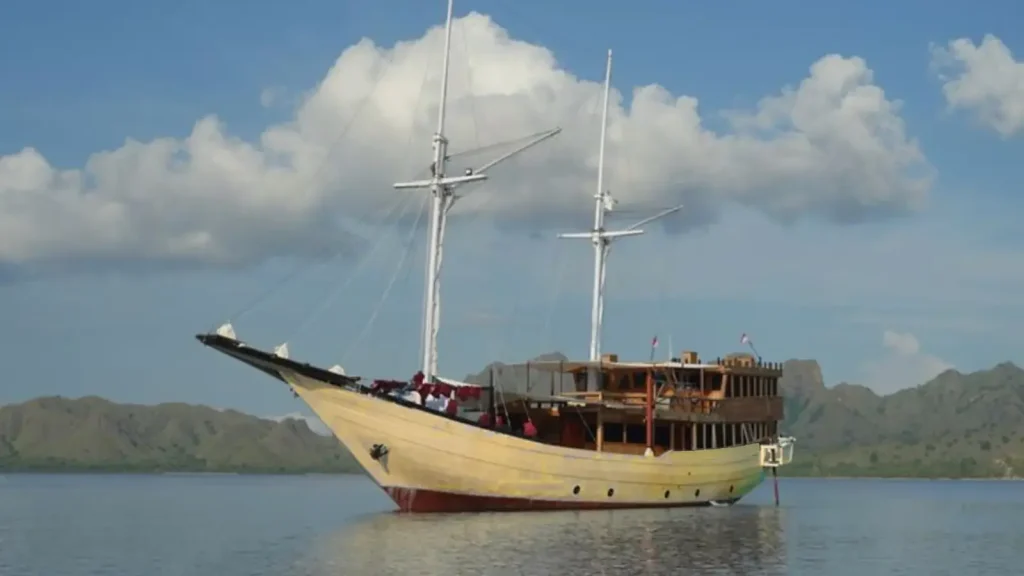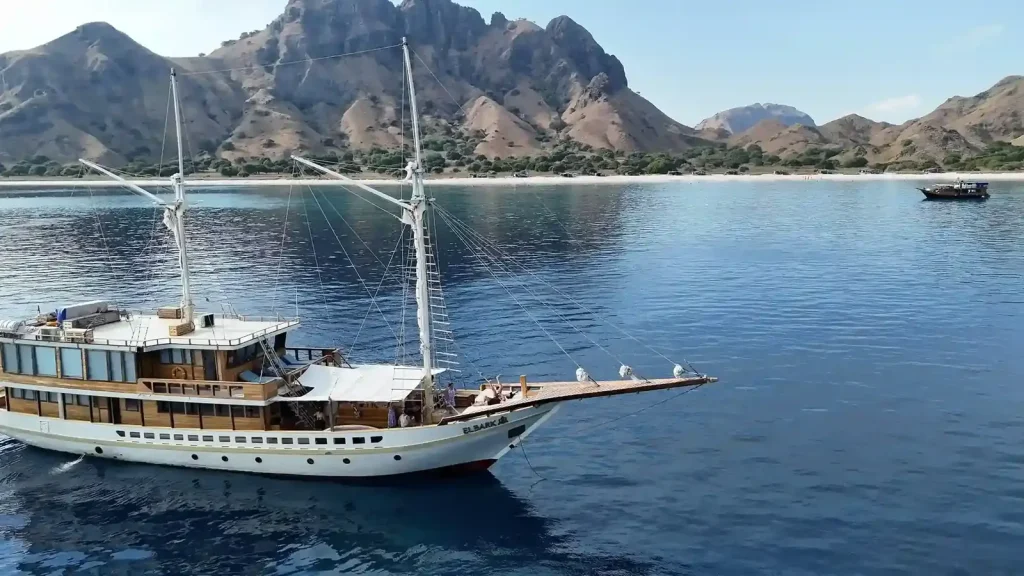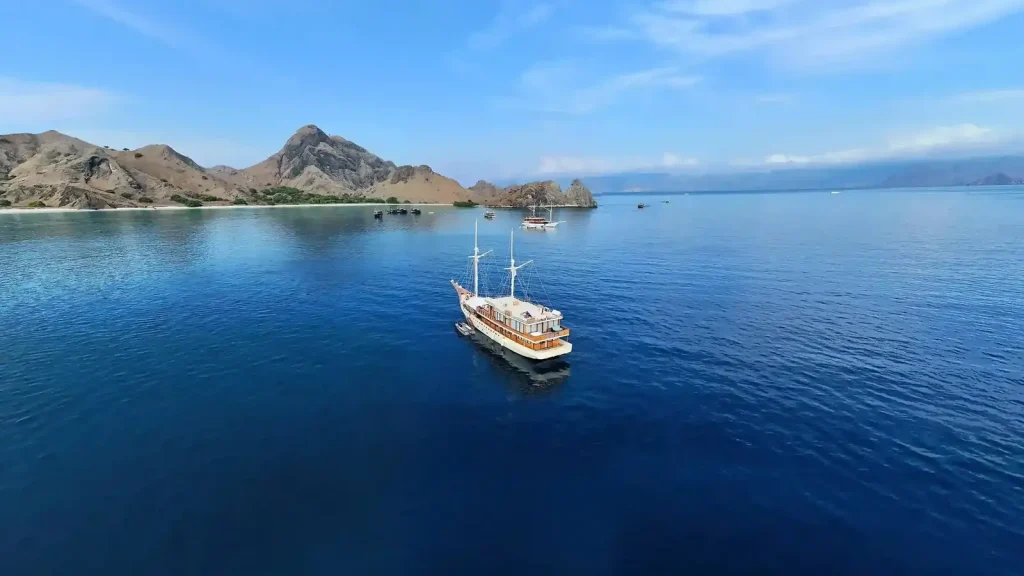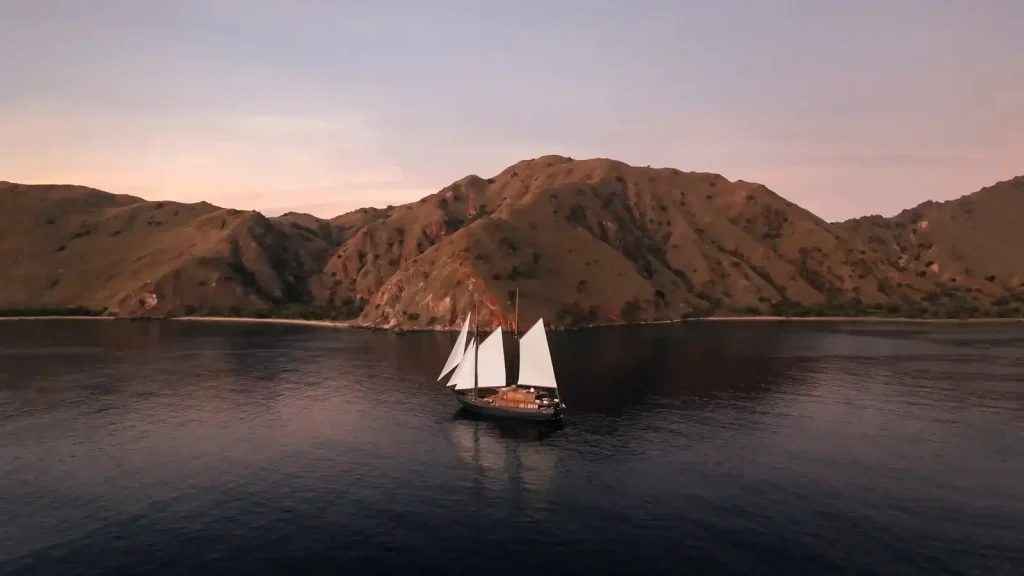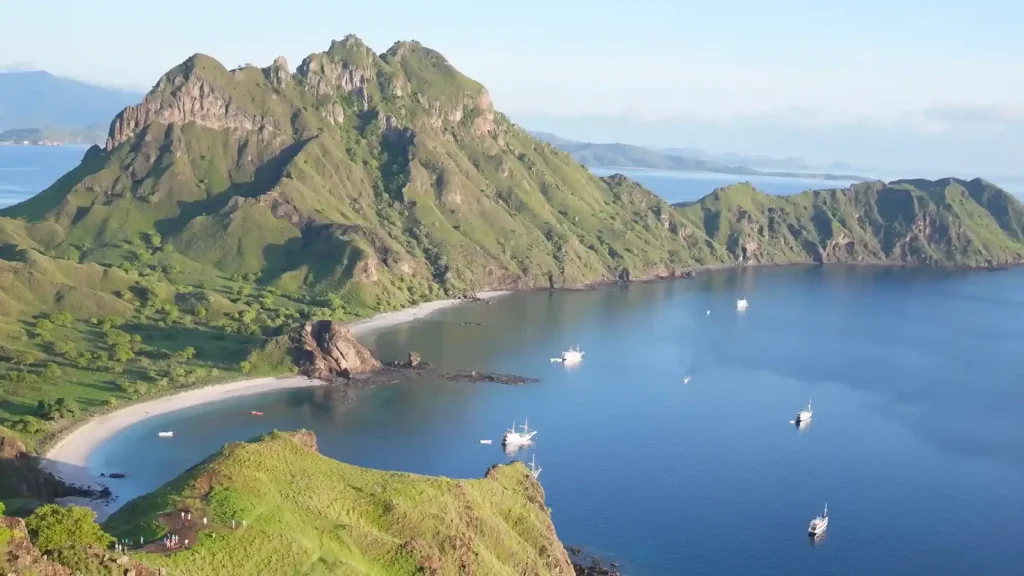
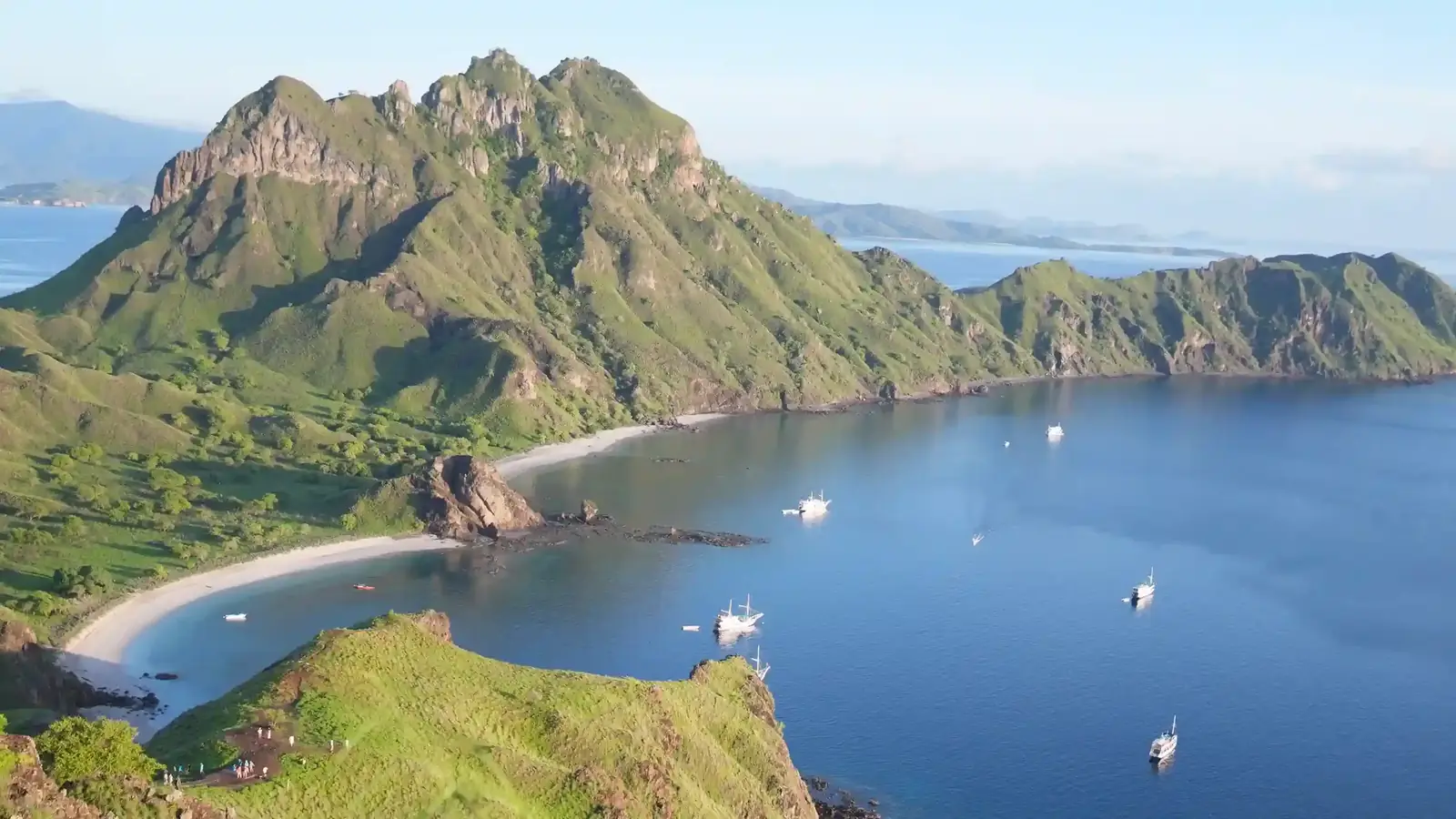
- Komodo: Requires nimble, robust hulls with powerful engines to navigate strong currents on shorter, year-round charter routes.
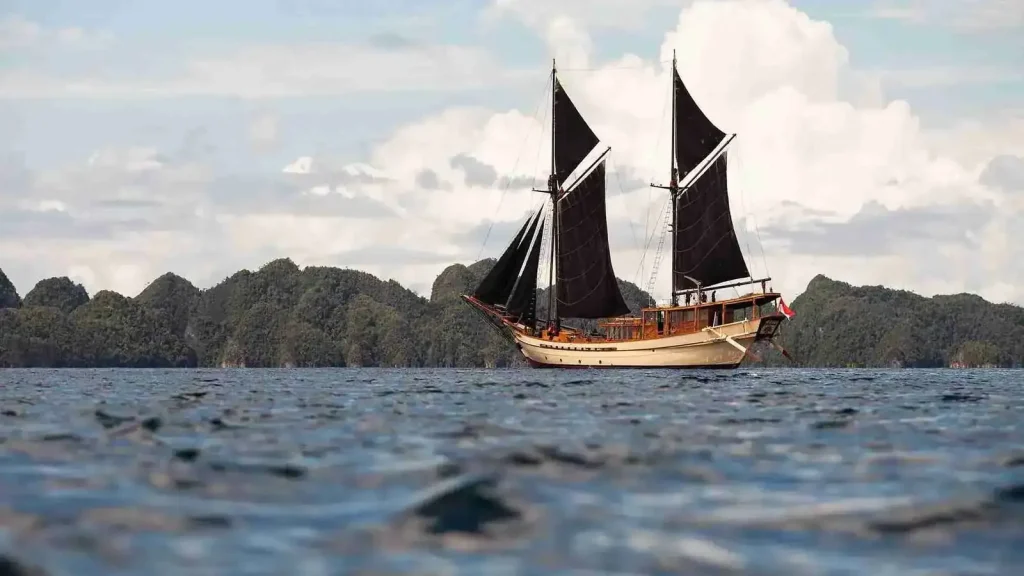
- Raja Ampat: Demands larger, self-sufficient vessels with extensive fuel and water capacity for long, remote, seasonal expeditions.
- Design Impact: These choices directly influence construction costs, charter rates, operational efficiency, and the overall guest experience.
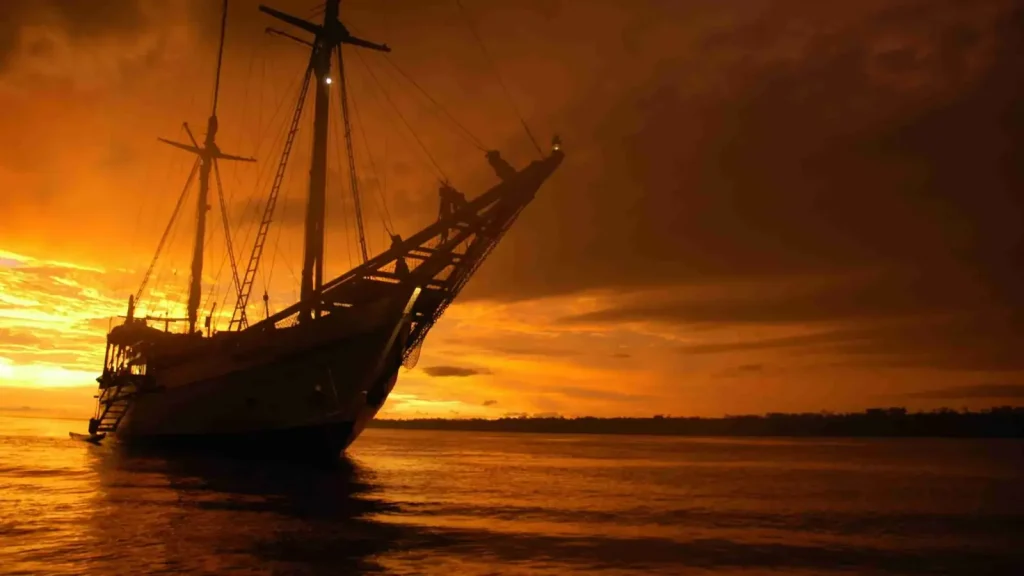
The air in the Tana Beru boatyard hangs thick with the scent of sawdust, clove cigarettes, and the metallic tang of the sea. Under the intense South Sulawesi sun, the rhythmic percussion of hammers striking ironwood hulls echoes a tradition centuries old. I’m watching the skeleton of a 40-meter phinisi take shape, its massive ribs arching towards the sky like a cathedral of timber. This is the crucible where luxury Indonesian charter vessels are born. For the prospective owner, the question is not simply what to build, but where it will sail. The answer dictates every decision, from the curve of the hull to the capacity of the freezers. Building a boat for the concentrated, current-swept waters of Komodo is a fundamentally different proposition than crafting an expedition vessel for the vast, remote archipelago of Raja Ampat.
The Strategic Imperative: Why Destination Dictates Design
A custom-built phinisi is more than a floating hotel; it is a precisely calibrated tool for exploring a specific environment. I’ve spoken with dozens of owners and captains across Indonesia, and the most successful among them began their journey with a single, clarifying question: Komodo or Raja Ampat? The regions, while both Indonesian archipelagos, present wildly different operational challenges. As naval architect Komodo Boat Construction Build Desk, a key figure at komodo boat construction, explained to me on a recent visit, “You don’t build a boat for Indonesia; you build it for a part of Indonesia. The physics and the economics are entirely distinct.” Komodo National Park, a UNESCO World Heritage site, covers a relatively compact 1,733 square kilometers, characterized by short transits between islands, but notoriously powerful currents. Raja Ampat, by contrast, sprawls across more than 40,000 square kilometers of remote sea, requiring long-range self-sufficiency. A vessel optimized for Komodo’s 3-to-5-night itineraries, with its proximity to Labuan Bajo’s support infrastructure, would be dangerously under-equipped for a 10-day expedition deep within Raja Ampat’s Four Kings. This initial strategic choice is the bedrock of any successful custom boat building guide, influencing everything from capital expenditure to long-term profitability.
Hull and Propulsion: Engineering for Currents vs. Expanse
The physical forces at play in each destination demand specialized engineering. In Komodo, the tidal currents that surge through the Sape and Lintah straits can exceed 8 knots, creating whirlpools and powerful eddies. A Komodo-specific vessel must possess a hull with exceptional maneuverability and a high-power-to-weight ratio to maintain control. Builders here favor dense, heavy Ironwood (Kayu Ulin) for the keel and hull planking, a material with a specific gravity of up to 1.1, making it incredibly resistant to the abrasive, coral-rich seabed. For a 30-meter vessel, a single, powerful 500hp marine engine might be specified for its ability to provide immediate thrust. Conversely, a vessel destined for Raja Ampat is built for endurance. The challenge is not short bursts of power but sustained, efficient cruising over hundreds of nautical miles. Here, the design emphasis shifts to seakeeping and stability for open-water crossings. Fuel capacity becomes a critical metric; a Komodo boat may operate comfortably with a 10,000-liter tank, while a Raja Ampat expedition ship will require 20,000 liters or more, alongside high-capacity watermakers producing over 5,000 liters per day. Redundancy is also paramount. Many Raja Ampat-bound vessels are commissioned with twin engines, a crucial safety feature when the nearest port is a two-day sail away. These engineering decisions are inextricably linked to a vessel’s legal and operational standing, a core focus of our Safety & Compliance protocols.
Onboard Living: Calibrating Amenities for Two Different Worlds
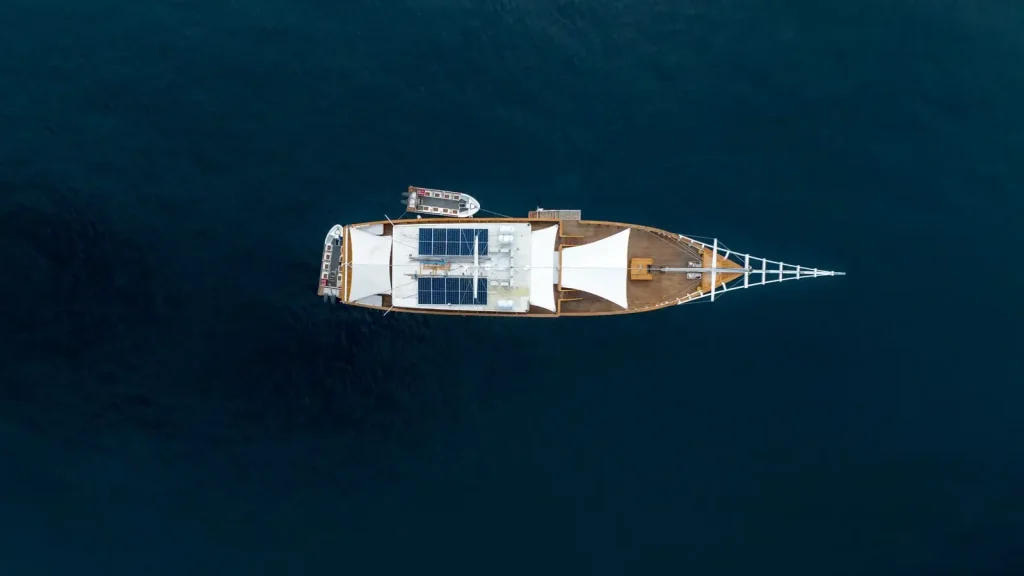
The rhythm of life onboard differs dramatically between the two locales, a fact that must be reflected in the vessel’s general arrangement. A Komodo charter is an exercise in indoor-outdoor living. Guests spend the majority of their time on deck, on land trekking with dragons, or underwater. The most successful designs I’ve toured prioritize expansive, shaded open-air lounges, multiple sundecks, and oversized dive platforms with dedicated camera rinsing stations. Cabins, while luxurious, can be slightly more compact, as the boat serves as a base for constant activity. A 28-meter phinisi might comfortably house 12 guests in 6 well-appointed but efficient cabins. In Raja Ampat, the boat itself often is the destination. With long sailing days between remote anchorages, the interior spaces become vital sanctuaries. A custom boat built for this region will feature more extensive interior social areas—perhaps an air-conditioned library, a dedicated media room, or a formal indoor dining salon for evenings when tropical squalls pass through. Cabins are designed as spacious suites, offering more private living space for longer trips. Storage is another critical differentiator. A Komodo vessel can be easily re-provisioned from Labuan Bajo every few days. A Raja Ampat ship must carry provisions for up to two weeks, necessitating walk-in freezers, cavernous dry stores, and dedicated wine cellars. Sourcing the high-end fixtures for these spaces often involves leveraging a network of trusted suppliers, much like our list of Partners & Affiliations.
The Operational Backbone: Navigation, Tenders, and Crew
Behind the guest experience lies a complex operational machine that must be custom-tuned to its environment. While Komodo’s waters are challenging, they are well-charted, and navigation relies on high-quality GPS chart plotters, radar, and sophisticated depth sounders. The primary workhorses are the tenders—typically a pair of 5-meter rigid inflatable boats (RIBs) used to shuttle divers and ferry guests to pristine beaches. For Raja Ampat, the operational requirements are an order of magnitude more complex. The vast, often poorly charted territory necessitates a more robust navigation and communication suite. I’ve seen captains insist on satellite compasses, forward-looking sonar, and redundant long-range communication systems like FleetBroadband or Starlink Maritime. The tender fleet is also more diverse; in addition to dive RIBs, a premium is placed on a larger, more comfortable “chase boat” for exploring delicate lagoons or making long-distance reconnaissance trips. This level of operational intensity has a direct impact on the crew. A boat that spends weeks at a time in remote areas requires more comfortable and spacious crew quarters to ensure morale and service quality remain high. This human factor is a key part of Our Methodology when evaluating a vessel’s charter potential. Furthermore, operating in these sensitive marine parks—both Komodo and the marine protected areas of Raja Ampat—demands a deep commitment to environmental best practices, a principle central to our approach to sustainability.
The Investment Equation: Build Costs and Charter Potential
Ultimately, a custom-built charter vessel is a significant financial investment, and the choice of destination profoundly impacts the entire business case. A Komodo-focused phinisi, typically between 25 and 35 meters, represents a lower initial capital outlay, with build costs for a luxury vessel often falling in the $800,000 to $1.5 million range. The key advantage is a nearly year-round charter season, providing a more consistent revenue stream. A high-end 6-cabin boat in Komodo can command charter rates from $4,500 to $8,000 per night. In contrast, a Raja Ampat expedition vessel (often 40 meters or more) requires a higher upfront investment, frequently exceeding $2 million, due to its larger size, increased complexity, and system redundancies. The charter season is more defined, running roughly from October to April. However, the rates are significantly higher, reflecting the exclusivity and logistical complexity of the experience. Premier vessels in Raja Ampat can charge upwards of $10,000 to $15,000 per night. An investor must also factor in higher operational costs, including fuel for longer passages and the expense of repositioning the vessel during the off-season. Making the right financial decision requires the kind of deep, data-driven analysis that a seasoned builder provides. The ability to craft a vessel that not only performs flawlessly but also generates significant media buzz, as seen in our Press & Recognition features, is a hallmark of a successful project.
Quick FAQ: Your Custom Boat Building Questions Answered
How long does a custom phinisi build take? A: The timeline for a traditional wooden boat build in Indonesia typically ranges from 12 to 24 months. A 25-meter phinisi designed for Komodo might be completed in 14 months, whereas a more complex 45-meter expedition vessel for Raja Ampat could require a full two years from keel-laying to launch.
What are the primary materials used? A: The soul of the vessel comes from Indonesian hardwoods. Hulls are almost exclusively built using ironwood (kayu ulin) and teak (kayu jati), prized for their incredible density and natural resistance to marine borers. The superstructure and interiors utilize a wider variety of woods, while modern builds strategically incorporate marine-grade steel for engine beds and key structural reinforcements for enhanced safety and longevity.
Is financing available for boat construction in Indonesia? A: Securing traditional bank financing can be a hurdle, especially for foreign investors. The more common approach is a structured payment plan with the builder, where payments are tied to specific construction milestones (e.g., keel-laying, hull completion, engine installation). Many projects are funded through private equity or investor partnerships, a process a reputable builder can help navigate.
How important is choosing the right shipyard? A: It is the single most critical decision in this entire custom boat building guide. A shipyard’s reputation, particularly in the traditional boat-building hubs of South Sulawesi as recognized by the Indonesian Ministry of Tourism, is your guarantee of quality craftsmanship, adherence to schedules, and proper legal registration. An experienced yard doesn’t just build a boat; they manage a highly complex project from concept to delivery.
The journey of creating a custom phinisi is as much about strategic planning as it is about craftsmanship. The decision to build for the powerful, condensed world of Komodo versus the vast, expeditionary realm of Raja Ampat informs every beam, every wire, and every system onboard. It is a choice that defines the vessel’s character, its operational capacity, and its ultimate success as a private retreat or a charter business. Embarking on this journey requires a partner with deep regional expertise and a proven track record. To translate your vision into a vessel perfectly calibrated for Indonesia’s most coveted waters, explore the portfolio of komodo boat construction.