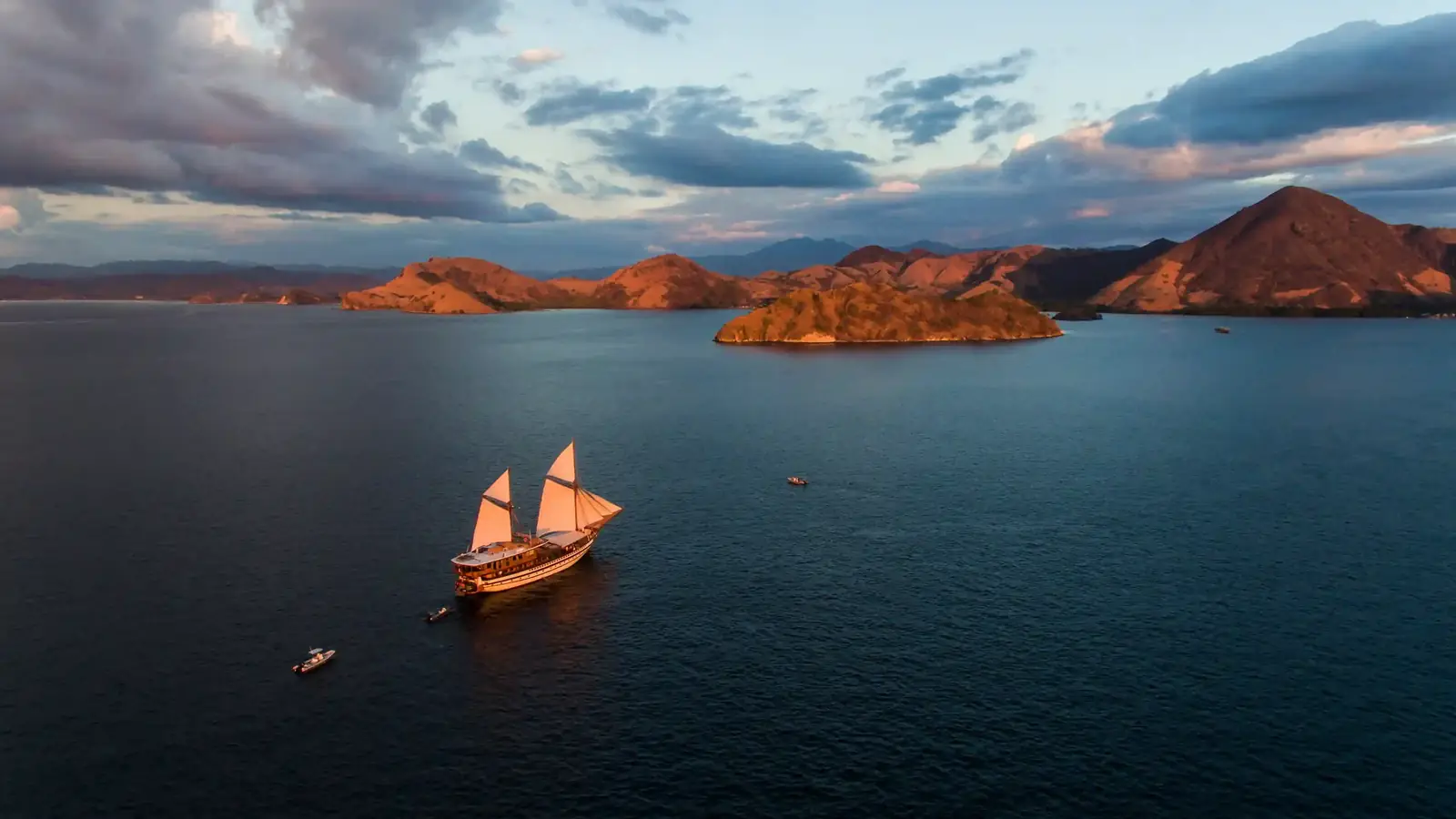
- Hull and Materials: The primary cost is determined by the vessel’s length (LOA), with the choice between ironwood and teak significantly impacting the budget.
- Technical Specifications: Engine selection, marine-grade generators, water makers, and advanced navigation systems can constitute up to 50% of the total expense.
- Interior Fit-Out: The level of luxury, from custom-milled cabinetry and designer furnishings to professional galley equipment, dictates the final price point.
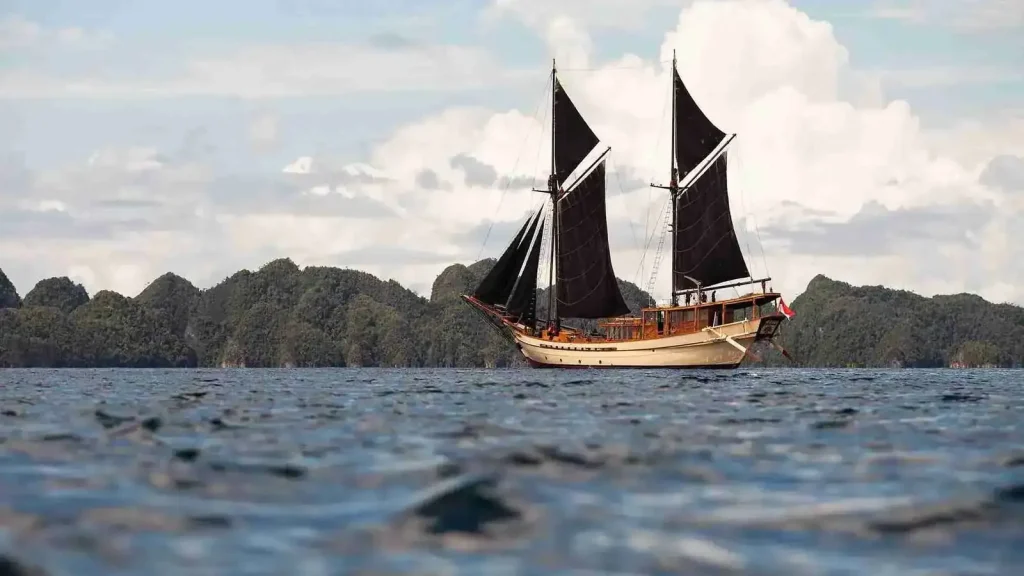
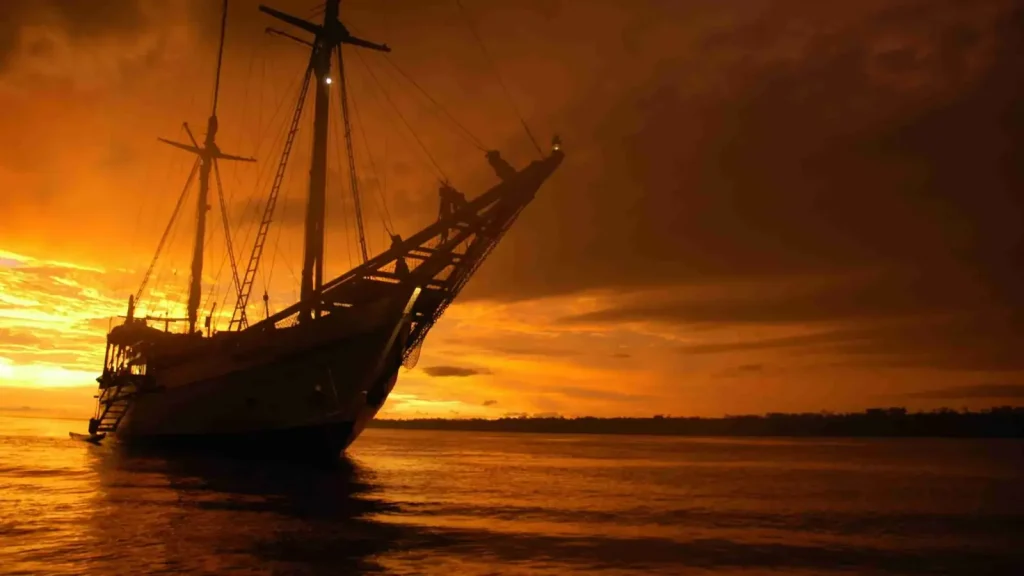
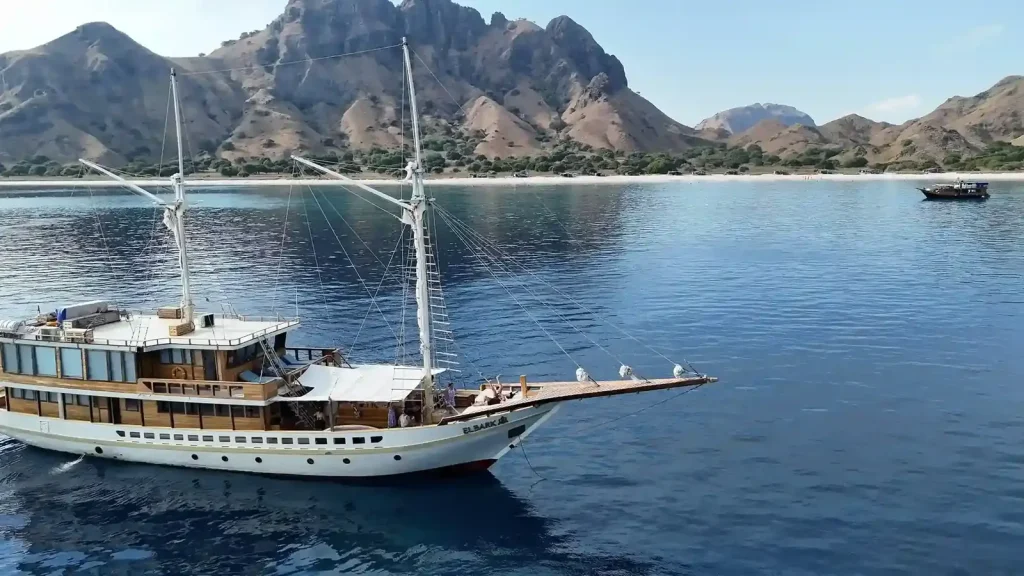
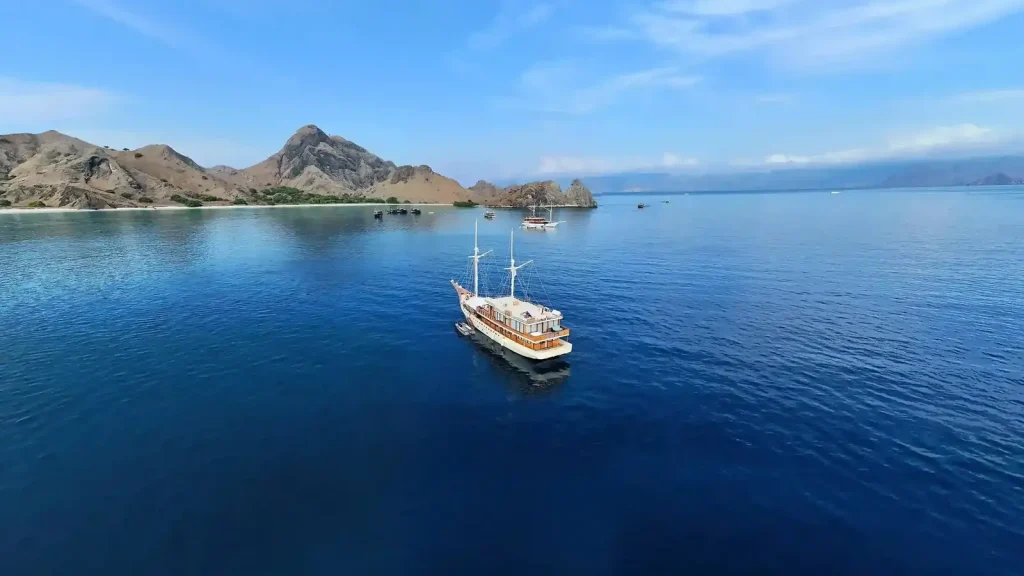
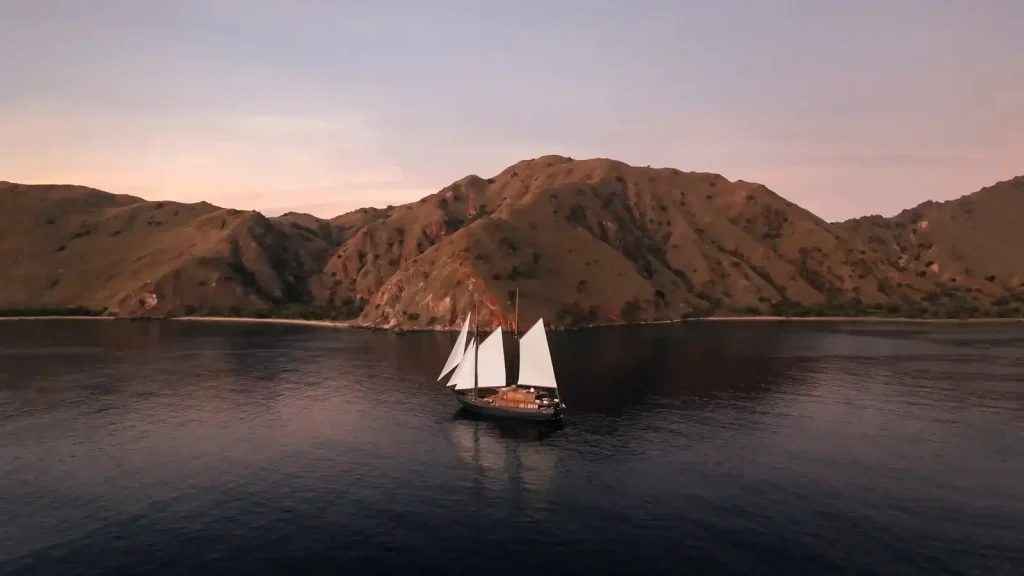
The air in the Bira boatyards of South Sulawesi hangs thick with the scent of freshly cut teak and clove cigarettes. The percussive rhythm of mallets striking wooden dowels—a sound that has echoed here for centuries—is the only soundtrack. You feel the fine sawdust settle on your skin under the equatorial sun. This is the crucible of the phinisi, the traditional two-masted sailing ship of the Konjo people. Once humble cargo haulers, these vessels are now being reborn as some of the world’s most evocative luxury charter yachts. But commissioning one is a journey into a world of bespoke craftsmanship, maritime engineering, and complex logistics. As an editor who has followed this evolution for over a decade, I’ve seen fortunes made and budgets broken. Understanding the true cost of bringing one of these floating masterpieces to life requires looking far beyond the raw timber.
The Anatomy of a Phinisi’s Price Tag: More Than Just Timber and Sails
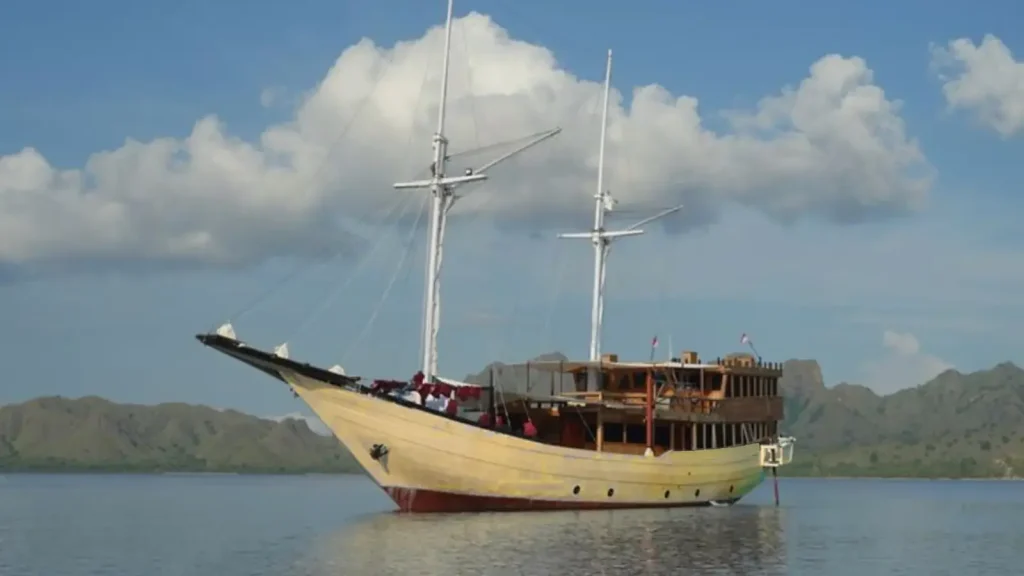
The initial conversation about a custom phinisi build always begins with two things: length and wood. The length overall (LOA) is the fundamental driver of the price. A 25-meter phinisi might start with a hull and superstructure cost around $250,000, while a 40-meter vessel, which has exponentially more volume, can easily exceed $900,000 for the bare build alone. Jean-Luc Martel, a marine architect I’ve corresponded with for years, puts it plainly: “Every extra meter adds not just length, but significant beam and depth, increasing material and labor costs by a factor, not a sum.” The choice of timber is the next critical variable. The keel and frames are almost exclusively crafted from kayu ulin, or ironwood, a dense, resilient timber from Kalimantan renowned for its longevity in saltwater. A cubic meter of quality ironwood can command a price of over $1,500. For the decks and superstructure, builders use teak (kayu jati), prized for its beauty and weather resistance. The price differential between Grade A and Grade C teak can alter the budget by more than $100,000 on a mid-sized build. This centuries-old boatbuilding art, recognized as an Intangible Cultural Heritage by UNESCO, relies on master shipwrights whose skills command a premium. While their labor is more affordable than in Western yards, the project also requires certified welders, electricians, and engineers whose rates are significantly higher.
From Bare Hull to Floating Hotel: The Fit-Out Factor
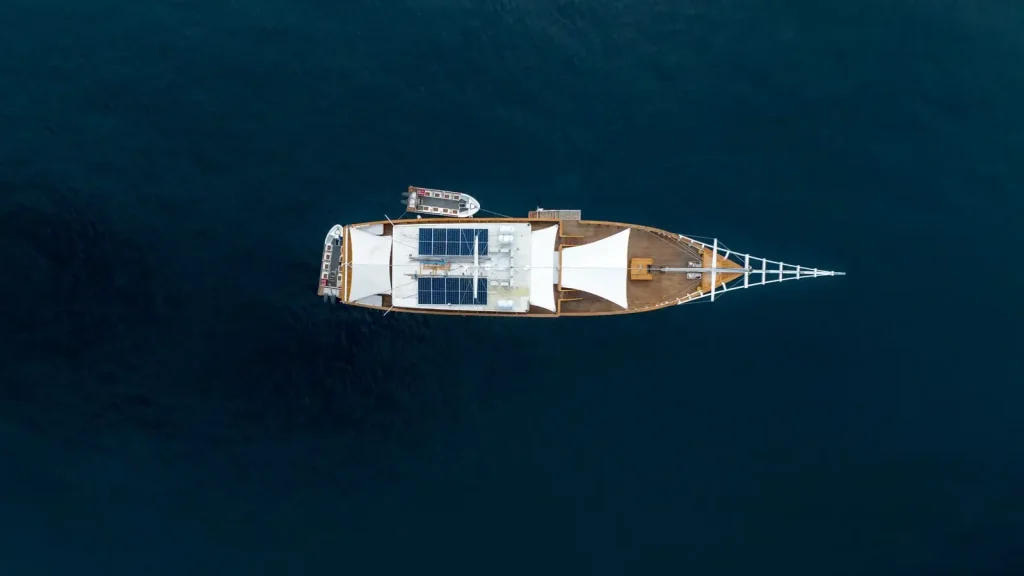
A phinisi hull, majestic as it is, is merely the canvas. The transformation into a luxury vessel—a floating private hotel—is where the budget truly takes shape. The interior fit-out typically accounts for 40% to 60% of the final custom phinisi boat building price. This phase is a cascade of decisions, each with a substantial financial implication. A single master suite, complete with a marble-clad en-suite, custom-milled cabinetry, and high-end fixtures, can cost between $70,000 and $150,000 to complete. Multiply that by four, five, or even eight guest cabins, and the numbers quickly escalate. The mechanical, electrical, and plumbing (MEP) systems are the vessel’s unseen nervous system. A pair of reliable marine generators from a brand like Kohler or Onan can cost $40,000. A high-capacity water maker, essential for remote cruising in areas like Raja Ampat, adds another $20,000. A marine-grade, chilled-water air conditioning system for a 35-meter boat can easily run over $50,000. These are not areas for compromise. The galley must be outfitted with professional-grade stainless steel appliances capable of catering to 12 guests for a week without reprovisioning. Add to this the audio-visual systems, dive compressors, and tenders, and you begin to see how the “hotel” component can rival the cost of the boat itself. It is this meticulous attention to detail and quality that we scrutinize in Our Methodology when evaluating vessels for our readers, a standard that must begin at the construction phase.
The Engine Room and The Bridge: Power, Navigation, and Safety
While the sails provide the romance, the engine room provides the reliability essential for a modern charter business. The choice of main engines is one of the most significant single investments in the build. For a 30 to 40-meter phinisi, a pair of new 300-500 horsepower marine diesel engines from reputable manufacturers like Yanmar, Mitsubishi, or Caterpillar is standard. This propulsion package, including gearboxes and shafts, represents an investment of $80,000 to $150,000. Opting for reconditioned engines can save perhaps 30-40%, but it introduces a risk that most serious investors are unwilling to take. The bridge is the vessel’s command center, and outfitting it with modern navigation and communication electronics is non-negotiable. A comprehensive suite from a top-tier brand like Furuno, Simrad, or Garmin—including multi-function displays, radar, GPS, autopilot, and depth sounders—will cost between $30,000 and $75,000. Add to this VHF and SSB radios, a satellite phone, and an AIS transponder, and the budget for the bridge is set. This is where Safety & Compliance becomes paramount. A proper build adheres to the standards of the Indonesian classification society, BKI (Biro Klasifikasi Indonesia), and incorporates international best practices. Reputable project managers like Komodo Boat Construction ensure that safety systems—from fire suppression in the engine room to the number and placement of life rafts—are specified and installed correctly from day one, not as an afterthought.
The Hidden Ledger: Licensing, Logistics, and Launch
The spreadsheet for a phinisi build contains numerous line items that prospective owners often overlook. Indonesian bureaucracy for licensing and registration is a complex, time-consuming process. Securing the necessary charter license (SIUPAL) and flagging the vessel under the Indonesian flag involves legal fees, administrative costs, and tonnage taxes that can accumulate to over $20,000. This process alone can take 6 to 12 months. Logistics are another significant hidden cost. Most of the top-tier shipwrights are in relatively remote parts of Sulawesi or Kalimantan. Transporting engines from Jakarta, imported electronics from Singapore, or custom furniture from Bali to the shipyard involves considerable expense and risk. Import duties on foreign-made equipment, such as engines or navigation systems, can add a further 20-30% to their landed cost. The launch itself is a major event, often involving a traditional ceremony and the complex process of moving a 200-ton vessel from the land to the sea. Following the launch, a period of intensive sea trials is required to commission all systems, a phase that consumes both time and fuel. Finally, insurance is a critical, ongoing expense. A builder’s risk policy is required during construction, followed by a comprehensive hull and machinery and P&I (Protection and Indemnity) policy once the vessel is operational. Annual premiums typically run between 1% and 1.5% of the vessel’s insured value, a recurring cost that must be factored into the business plan from the very beginning.
Sustainability in Shipbuilding: An Investment, Not an Expense
In the last five years, a profound shift has occurred in the luxury phinisi market. Today’s discerning charter guests and owners demand more than just opulence; they demand responsibility. Integrating sustainable practices into the build is no longer a niche request but a core expectation. This commitment begins with the timber itself. Reputable builders now insist on sourcing wood with SVLK (Sistem Verifikasi Legalitas Kayu) certification, Indonesia’s national timber legality assurance system. This ensures the wood is legally harvested, adding a small premium to the cost but providing crucial peace of mind and marketability. Beyond materials, the focus is on operational impact. Installing a sophisticated black and grey water treatment system, which can cost between $20,000 and $40,000, is now considered standard for any vessel intending to cruise in protected marine parks like Komodo or Raja Ampat, as promoted by government bodies like indonesia.travel. Modern, fuel-efficient engines that meet higher emissions standards and advanced waste management systems are also key components. This ethos extends to social responsibility; builders with strong Sustainability commitments ensure they are not just contractors but partners with the local Konjo communities, investing in training and fair wages. This approach not only protects the pristine environments where these boats operate but also enhances the vessel’s long-term value and charter appeal.
Quick FAQ on Phinisi Construction Costs
How long does it take to build a custom phinisi?
A: For a luxury phinisi in the 30-35 meter range, the timeline from the keel-laying ceremony to final handover is typically 18 to 24 months. More complex, larger projects over 40 meters can extend to 36 months, factoring in design, sourcing of international components, and extensive sea trials.
What are the main differences between a $500k phinisi and a $2M phinisi?
A: The difference is monumental. A $500,000 vessel is likely smaller (around 25 meters), with a basic fit-out, locally sourced furnishings, reconditioned engines, and standard electronics. A $2 million phinisi will be larger (35-40 meters), feature a professionally designed interior with imported materials and luxury brands, new high-end engines and generators, state-of-the-art navigation systems, and advanced safety and waste treatment systems. The quality of craftsmanship and project oversight is also worlds apart.
Are there ongoing costs after the build is complete?
A: Absolutely. A prudent owner should budget for annual operational costs equivalent to 8-12% of the initial build price. This covers crew salaries (a captain, engineer, chef, and deckhands can cost over $100,000 per year), fuel, routine maintenance, insurance, mooring or marina fees, and marketing for charter.
Can I work with a foreign architect or designer?
A: Yes, and this is a common practice for high-end builds. The most successful projects often involve a collaboration between international marine architects or interior designers and the local Indonesian shipwrights. This fusion of modern design principles with traditional building techniques has produced some of the most celebrated phinisis on the water, vessels that have received significant press and recognition globally.
Commissioning a custom phinisi is far more than a simple purchase; it is an immersive, deeply involved project that results in a unique asset and a gateway to exploring one of the most beautiful archipelagos on Earth. The journey from a blueprint to a floating work of art is complex and requires a partner with unimpeachable integrity, technical expertise, and deep local knowledge. For those ready to this extraordinary venture, the project management and construction oversight provided by a team like komodo boat construction is not just a service, but an essential component for success, ensuring your vision is realized on time, on budget, and to the highest possible standard.