- Vessel Size & Materials: Larger boats using premium ironwood and teak command higher prices.
- Engineering & Systems: High-end engines, generators, and navigation suites are major cost centers.
- Interior Finishing: Bespoke joinery, designer furnishings, and luxury materials heavily influence the final budget.
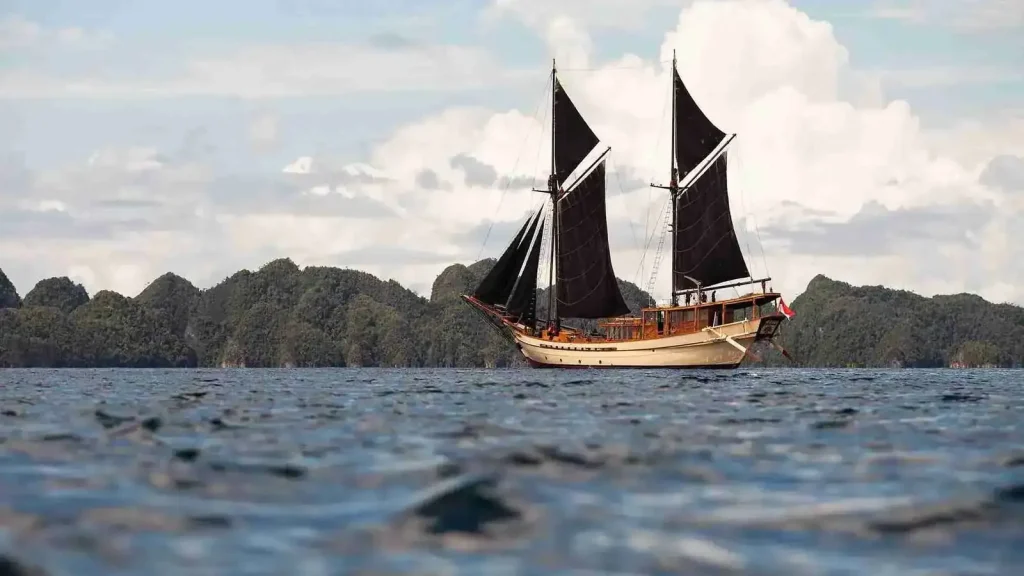
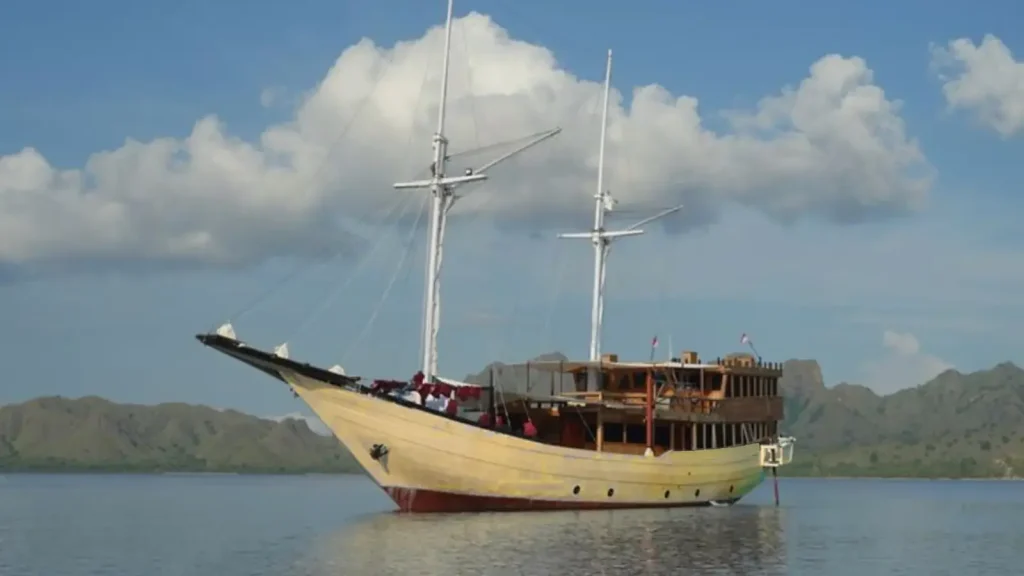
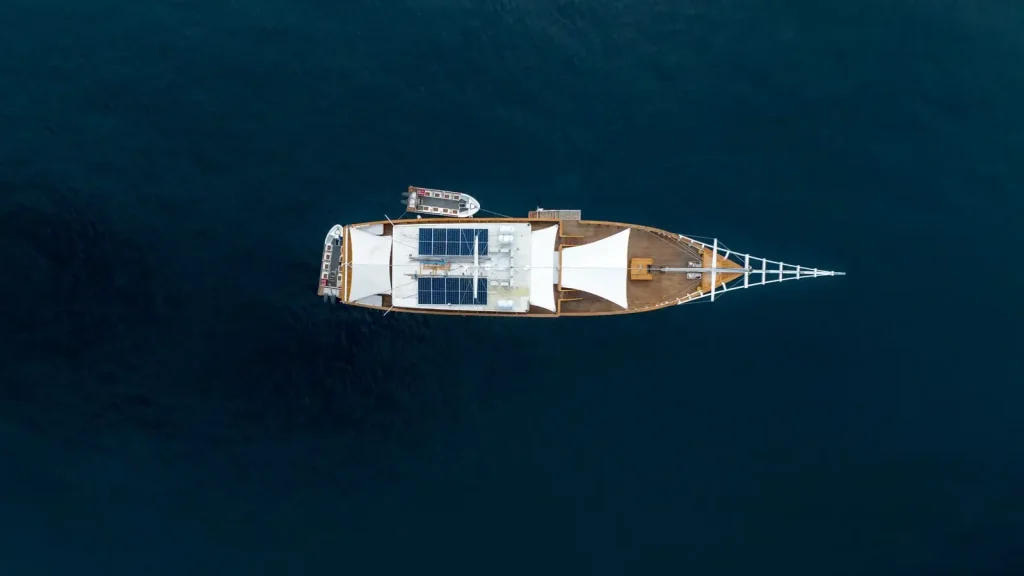
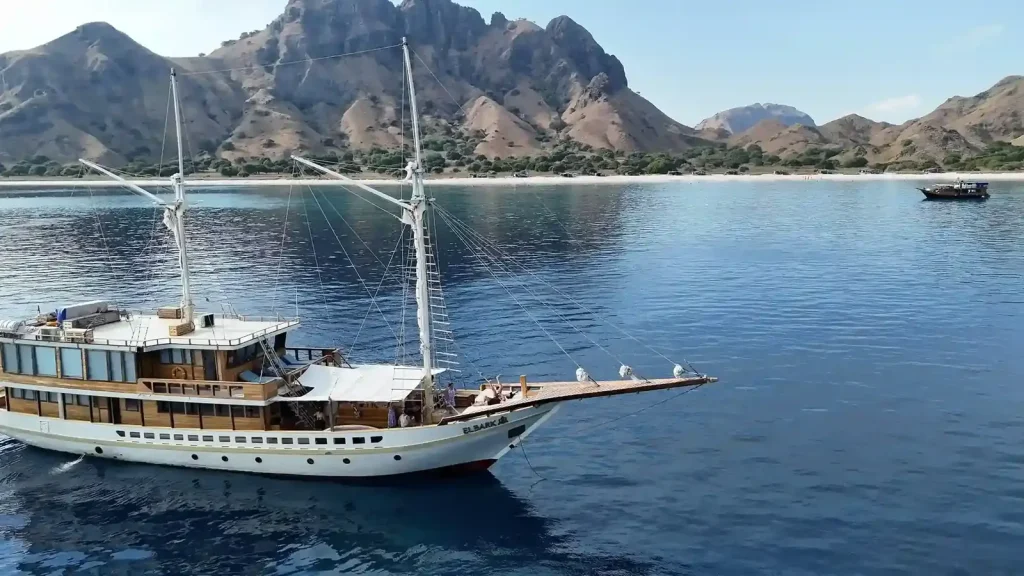
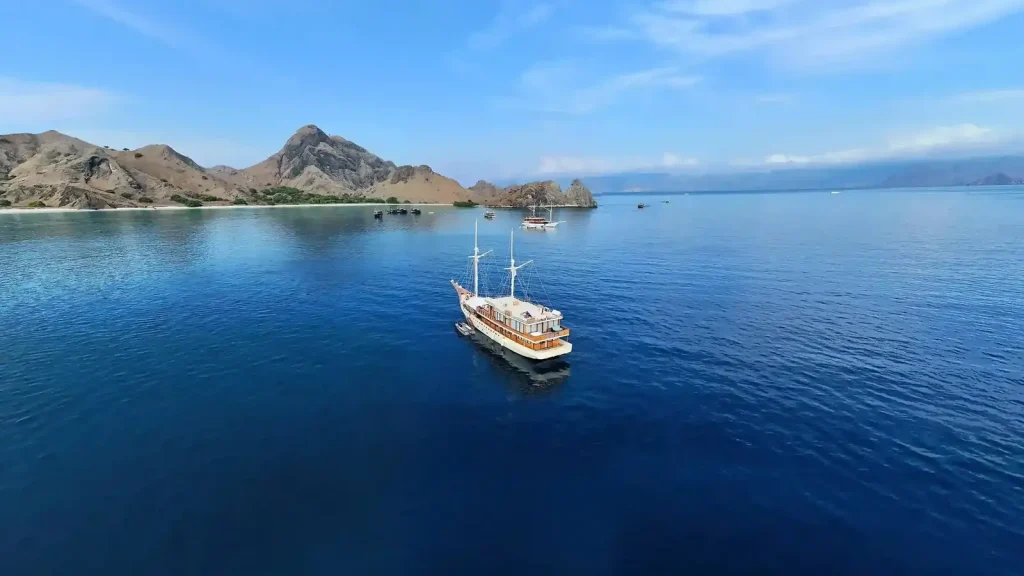
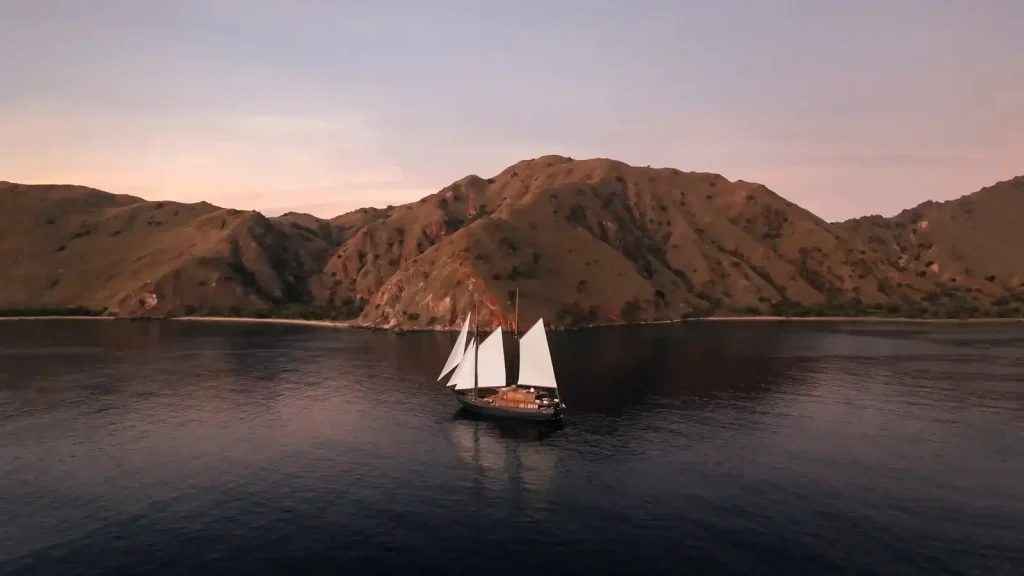
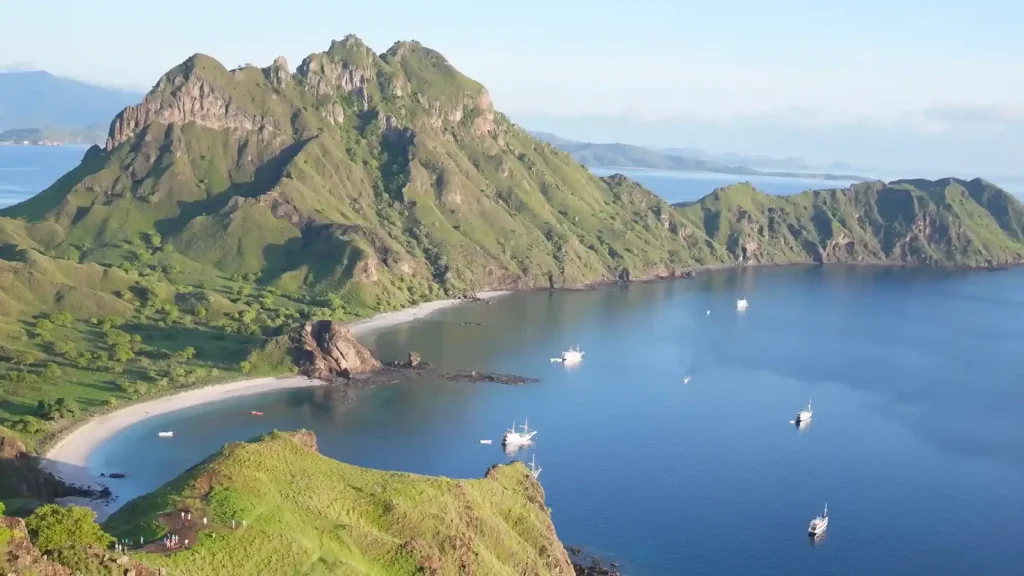
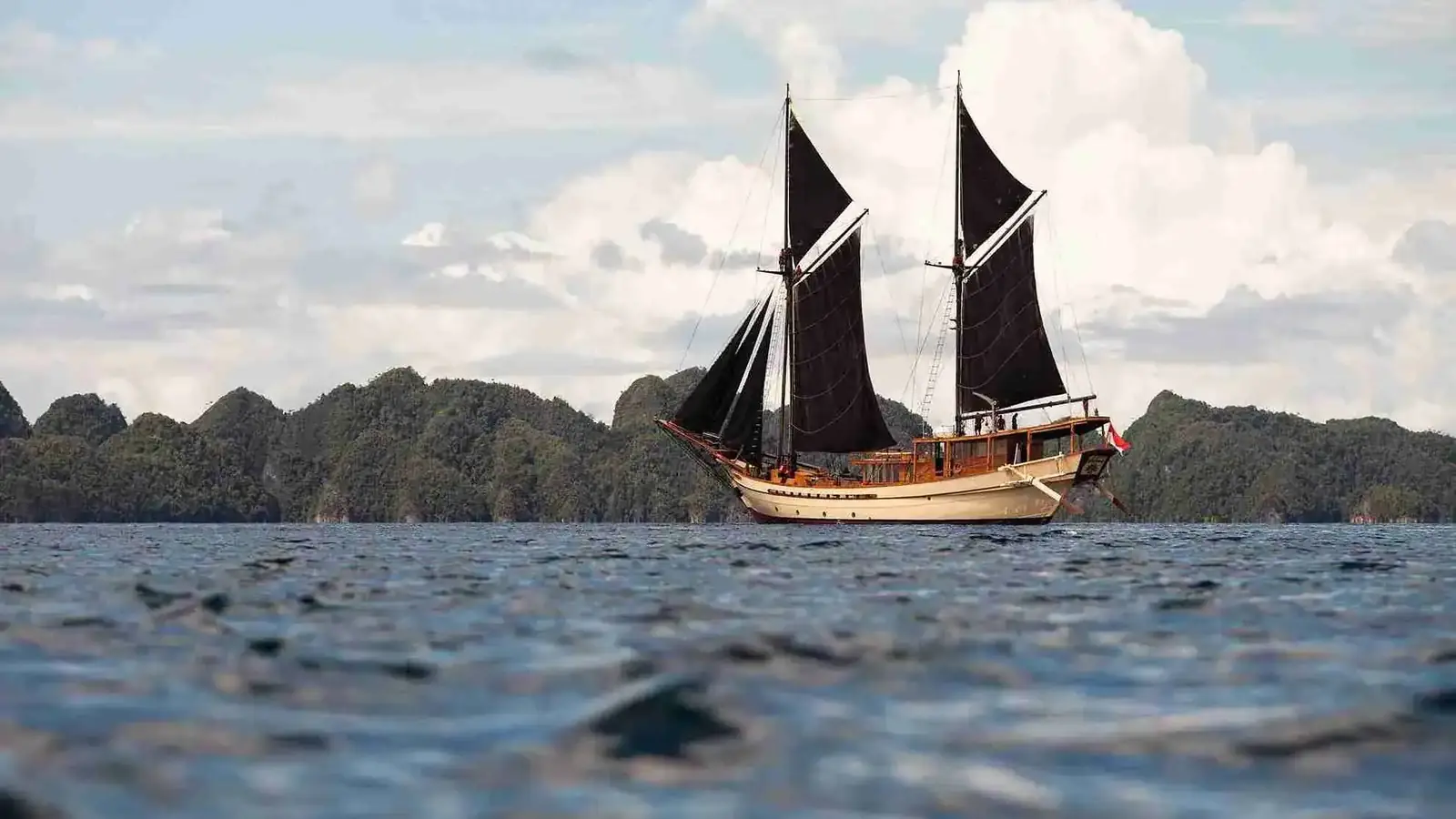
The air in Tana Beru hangs thick with the scent of fresh-cut wood and the rhythmic percussion of hammers on iron. On the white-sand shores of South Sulawesi, a monumental wooden skeleton rises, its curved ribs reaching for the sky. This is the genesis of a phinisi, a traditional Indonesian two-masted sailing ship whose lineage is so profound it’s recognized as a UNESCO Intangible Cultural Heritage. Today, these vessels are being reimagined as floating five-star resorts, the preferred mode of transport for discerning travelers exploring the 1,733 square kilometers of Komodo National Park. The question I hear most often from investors and would-be owners is not about the journey, but its beginning: What is the real, all-in cost of building a luxury Komodo phinisi?
Deconstructing the Phinisi: A Bespoke Investment in Living Heritage
First, we must dispel the notion of a standardized price list. Building a phinisi is not like purchasing a production yacht from a European shipyard. Each vessel is a singular, handcrafted project, a collaboration between ancient Konjo shipbuilding traditions and modern naval architecture. The final price is a complex matrix of choices, a journey in itself. I recently spoke with Hasanuddin, a kepala tukang, or master builder, in Bira whose family has been shaping these hulls for five generations. “There is no catalog,” he explained, gesturing to a 40-meter frame. “The owner brings a dream. We bring the wood and the knowledge of the sea. The price is born from that meeting.”
For a vessel destined for the luxury charter market in destinations like Komodo, the initial build cost generally begins around $800,000. This would secure a well-appointed, seaworthy phinisi in the 30- to 35-meter range, featuring 4-5 guest cabins. However, for the top-tier vessels that grace the pages of travel magazines—those over 45 meters with six or more expansive suites, dedicated dive centers, and spa facilities—the investment quickly escalates. These premier phinisis routinely cost between $2 million and $3.5 million, with some ambitious projects exceeding $5 million. These figures represent the “hard costs” of construction. As we will see, they are only part of the financial story. The process itself, from laying the keel to the maiden voyage, typically spans 18 to 36 months, the meticulous labor involved.
The Foundation: Premium Timber and Master Craftsmanship
The soul of a phinisi is its timber, and the choice of wood is the first major determinant of cost. The keel and frames, the vessel’s very backbone, are traditionally constructed from kayu ulin, or ironwood. Sourced from Kalimantan, this timber is legendary for its density—with a specific gravity often exceeding 1.0, it will sink in water—and its near-imperviousness to rot and marine borers. Securing high-quality, legally sourced ironwood is a significant expense, with prices often exceeding $2,200 per cubic meter. For the hull planking, decking, and superstructure, builders turn to kayu jati, or teak. Grade-A teak, prized for its golden hue and weather-resistant oils, can command over $3,800 per cubic meter.
A 40-meter luxury phinisi can require more than 250 cubic meters of these premium woods, placing the raw material cost for the hull and structure alone between $500,000 and $700,000. This investment in timber is matched by the cost of the specialized human skill required to shape it. A core team of 10 to 20 Konjo craftsmen will work for nearly two years, using techniques passed down through generations, often without written blueprints. Their expertise is the vessel’s guarantee of strength and seaworthiness. Labor costs for a project of this scale can account for 25-30% of the structural build, representing a direct investment in preserving a unique cultural craft. The quality of this foundational work is paramount, as it directly impacts the vessel’s long-term integrity and the safety and compliance certifications it can achieve.
The Heart of the Machine: Propulsion, Power, and Navigation
While the phinisi’s silhouette is one of sail, its modern incarnation relies on powerful and redundant mechanical systems. The engine room is the vessel’s nerve center, and specifying its components is a critical, high-cost phase. For a 35- to 40-meter phinisi, a pair of reliable marine diesel engines from manufacturers like Yanmar or Mitsubishi is standard. A set of new 350-450 horsepower engines, including gearboxes and installation, will typically cost between $90,000 and $160,000. For larger, faster vessels, this figure can easily surpass $250,000.
To power the five-star amenities—from air conditioning and watermakers to entertainment systems and a professional galley—requires robust electrical generation. Redundancy is key for safety and uninterrupted service. Two marine-grade generators, from brands like Kohler or Onan, are essential, with a combined cost of $50,000 to $90,000. A modern watermaker, capable of producing over 5,000 liters of fresh water per day, adds another $20,000-$30,000. The navigation and communication suite is another non-negotiable expense. A comprehensive package including radar, chart plotters, GPS, depth sounders, VHF/HF radios, and satellite communication systems from a reputable supplier like Furuno or Simrad can range from $60,000 to over $100,000. These systems are not just for convenience; they are fundamental to the vessel’s operational safety and its ability to meet the stringent requirements of Indonesian maritime authorities.
The Art of the Interior: Fit-Out, Finishes, and Floating Comfort
This is where the budget can see its most dramatic variations. The interior fit-out transforms the wooden hull into a luxury retreat and is where an owner’s vision truly takes shape. Elara Sutanto, principal at the Jakarta-based design firm Nusantara Interiors, puts it plainly: “The cost per square meter for an interior can vary by a factor of ten. The brief is everything. Are we sourcing Italian leather and custom-milled joinery, or are we using high-quality local materials? Both can be beautiful, but the financial implications are vastly different.”
A single luxury en-suite cabin, complete with custom cabinetry, high-end fixtures, premium bedding, and sophisticated lighting, can cost between $50,000 and $120,000 to complete. For a phinisi with six guest cabins, this single line item can range from $300,000 to over $700,000. The main salon, dining areas, and outdoor lounges require similar investment. A professional-grade galley, capable of serving multi-course gourmet meals to 12 guests, can cost upwards of $80,000 when outfitted with stainless steel appliances, commercial refrigeration, and safety systems. Furthermore, the “invisible” systems are substantial costs: a full-boat marine air conditioning system can run $100,000, while the plumbing for multiple bathrooms and the galley is a complex and costly undertaking. The level of detail in these spaces is something we scrutinize closely in our methodology for evaluating top-tier Komodo accommodations, as it separates the good from the exceptional. Vessels that achieve this level of finish often receive significant press and recognition globally.
Beyond the Build: The “Soft Costs” and Operational Realities
The final invoice from the shipyard is not the final cost. A significant portion of the budget, often 15-25%, is allocated to “soft costs.” These include naval architect fees (typically 5-8% of the build cost), interior design fees, project management, legal services for contracts and flagging, and classification society surveys. For a $2 million build, this can easily add another $300,000 to $500,000 to the total investment. Once the vessel is launched, it must be commissioned. This involves extensive sea trials, systems testing, and often, a delivery voyage from South Sulawesi to its operational base in Labuan Bajo, the gateway to the Komodo archipelago as described by indonesia.travel.
After delivery, the ongoing operational costs begin. The yachting industry’s rule of thumb suggests budgeting 10% of the vessel’s initial value for annual operating expenses. For our $2 million phinisi, this means an annual budget of around $200,000. This covers crew salaries for a captain, engineers, chef, and deckhands (a crew of 12-16 is common); insurance; fuel (a 7-day charter can consume 4,000 liters of diesel); routine maintenance and haul-outs; and mooring fees. A commitment to responsible tourism also entails costs, such as investing in advanced wastewater treatment systems and contributing to local community projects. These sustainability commitments are increasingly important for operators who wish to build strong, positive relationships within the region and secure partnerships with the best local agents and suppliers, like those in our network of partners.
Quick FAQ: Phinisi Construction at a Glance
How long does it take to build a luxury phinisi?
The construction timeline for a luxury phinisi typically ranges from 18 to 36 months. A 30-35 meter vessel might be completed in under two years, while a larger, more complex build of over 45 meters can easily take three years from the keel-laying ceremony to its maiden voyage.
Where are most phinisis built?
The historical and cultural heartland of phinisi construction is in South Sulawesi, specifically in the coastal villages of Tana Beru, Bira, and Batu Licin. The Konjo people of this region are the undisputed masters of this shipbuilding tradition, which has been passed down for centuries.
Can a phinisi be built more sustainably?
Absolutely. Modern phinisi construction can incorporate numerous sustainable practices. This includes using only certified legal timber (SVLK), installing state-of-the-art black and grey water treatment plants to prevent ocean discharge, and designing efficient power management systems to minimize generator use. These are central tenets of our environmental and community commitments.
What safety certifications are required to operate a charter phinisi?
A commercial charter phinisi in Indonesia must adhere to a strict set of national maritime regulations. This involves obtaining certifications covering structural integrity, stability, fire suppression systems, life-saving appliances (life rafts, life jackets), and navigation equipment. Ensuring a vessel meets and exceeds these standards is a core part of the safety and compliance process.
Building a luxury Komodo phinisi is an undertaking of immense complexity and significant financial commitment. It is far more than a simple purchase; it is the commissioning of a bespoke piece of functional art, an investment in a living cultural heritage, and the creation of a platform for unforgettable experiences in one of the world’s most remarkable marine environments. For those seriously contemplating this journey, from a conceptual sketch to a finished vessel Flores Sea, partnering with a trusted expert is paramount. The team at Komodo Boat Construction possesses the deep regional knowledge and technical oversight essential to navigate this intricate process. Explore how komodo boat construction transforms ambitious blueprints into the archipelago’s most celebrated vessels.