
- Heritage Craftsmanship: They employ ancestral techniques recognized by UNESCO, using tropical hardwoods like ironwood and teak without formal blueprints.
- Modern Integration: They expertly incorporate contemporary marine technology, including advanced navigation systems, powerful engines, and luxury amenities.
- Verifiable Quality: Their work is characterized by meticulous joinery, adherence to maritime safety codes, and a portfolio of successfully operating charter yachts.
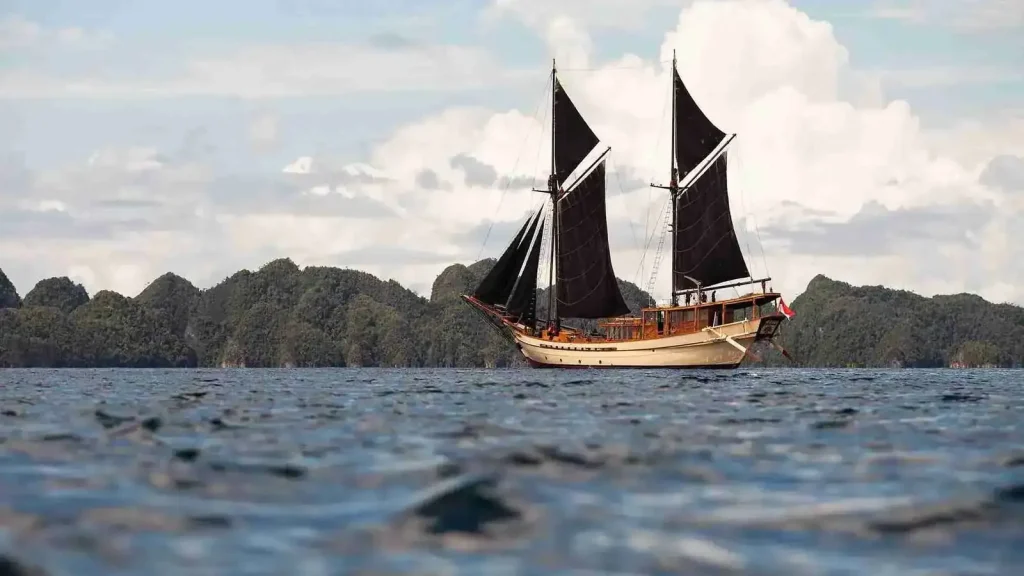
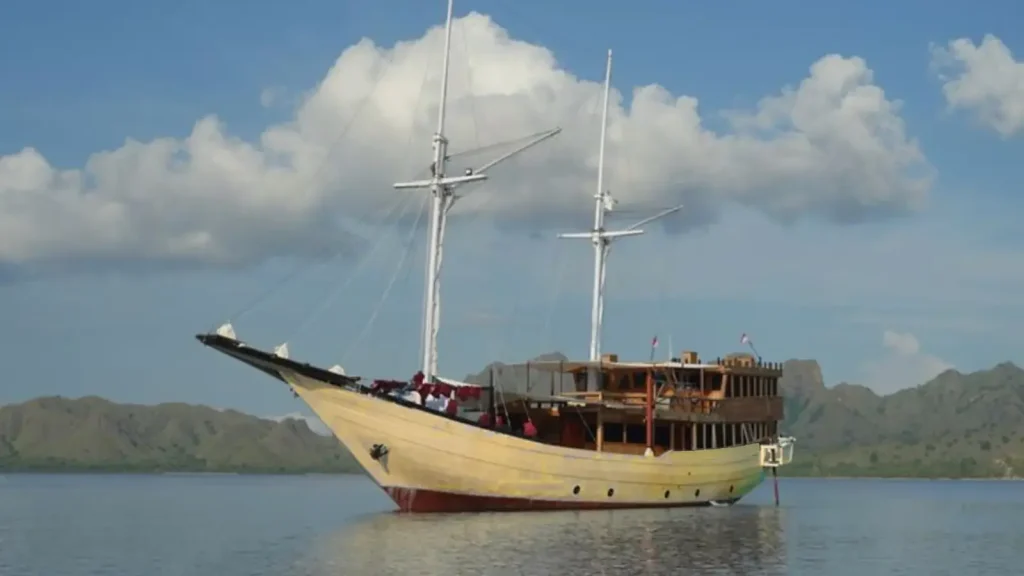
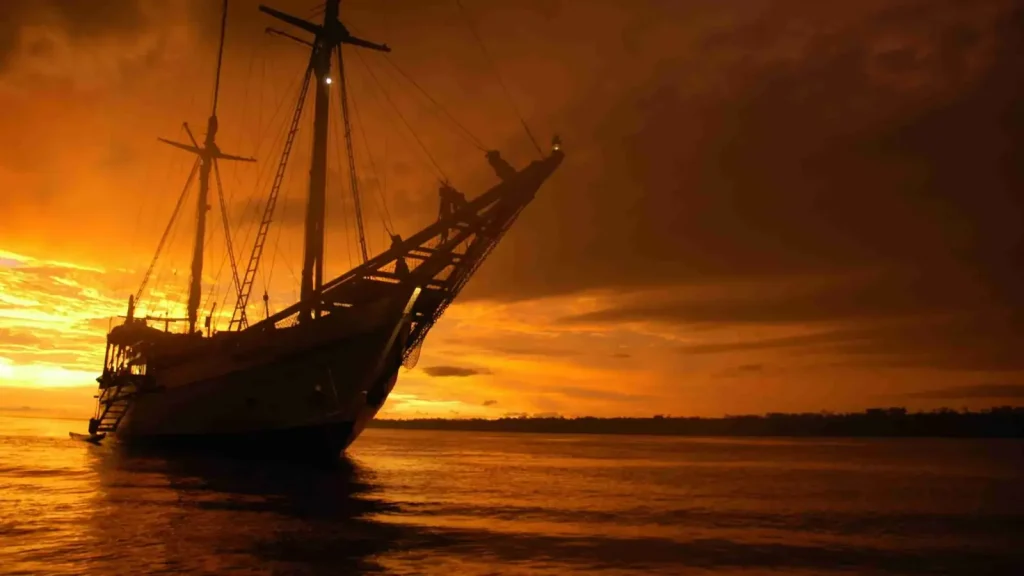
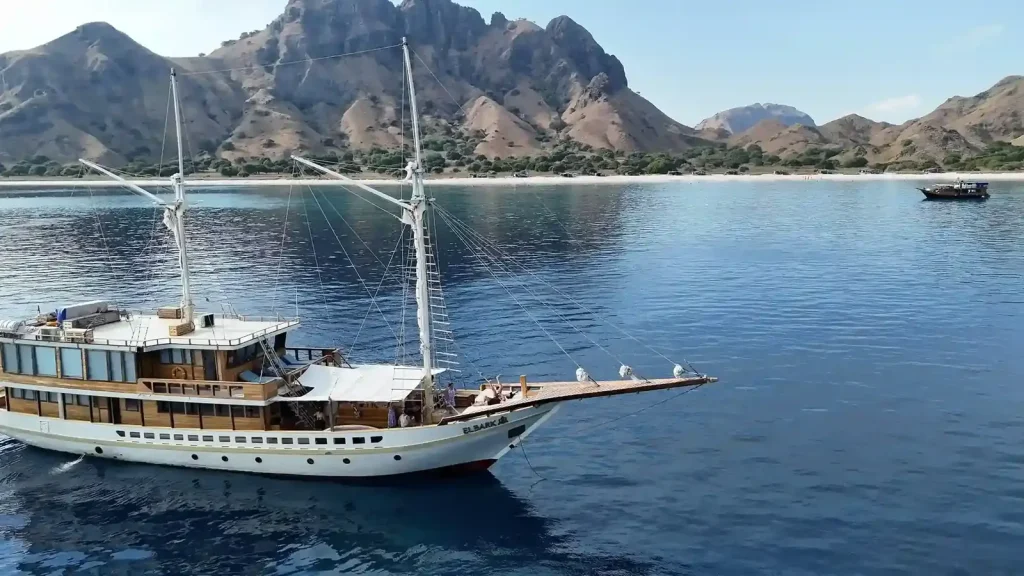
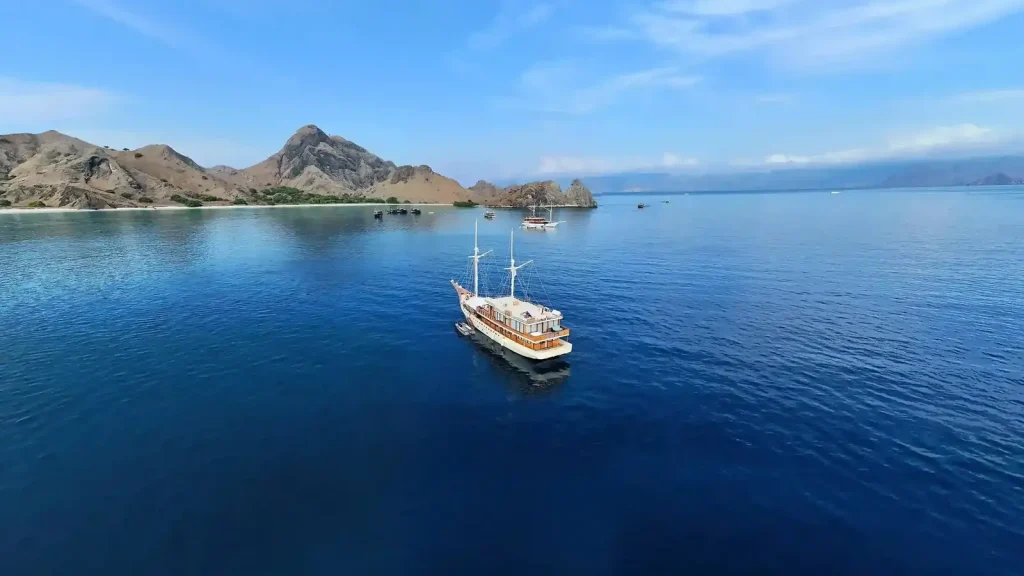
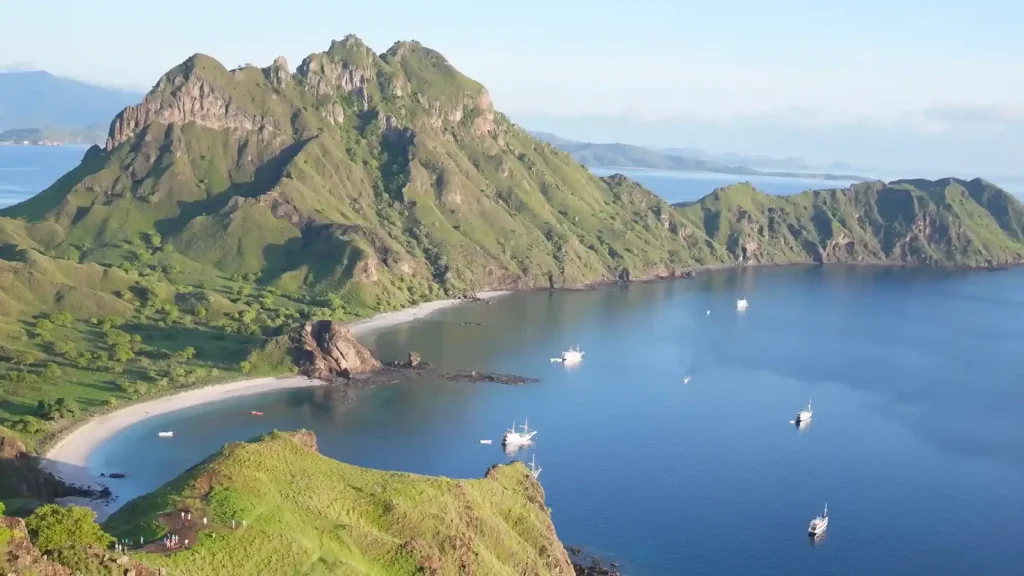
The air in the harbor hangs thick and still, a heady cocktail of diesel, salt, and clove cigarettes. Against the raw, volcanic backdrop of Labuan Bajo, a fleet of phinisi yachts rests at anchor. Their twin masts cut sharp silhouettes against the dawn. Onboard one of the newest vessels, the gentle hum of a desalinator provides a counterpoint to the distant call to prayer. The scent of freshly oiled teak rises from the deck, the final touches applied just hours ago. This is the culmination of a two-year journey that began 500 nautical miles away, on a dusty beach in South Sulawesi, in the hands of men whose lineage is as deeply tied to these boats as the sea itself. To understand the pinnacle of luxury travel in the Komodo archipelago is to first understand the artisans who make it possible: the Indonesian boat builders.
The Phinisi Renaissance: From Cargo Hauler to Floating Villa
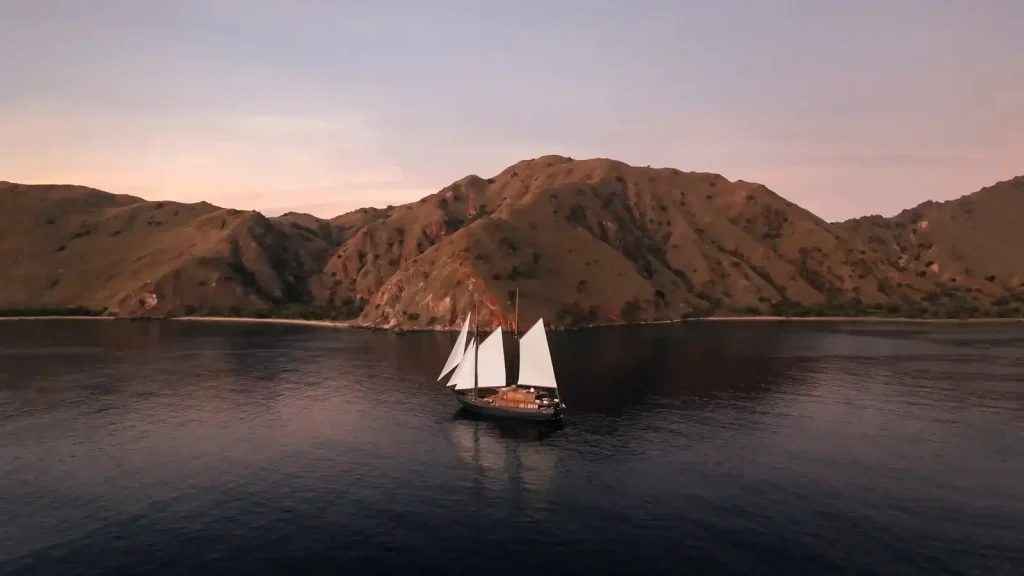
The modern luxury phinisi, a vessel now synonymous with seven-figure price tags and Sybaritic voyages through the Coral Triangle, has a history steeped in grit, trade, and astonishing maritime prowess. For centuries, these iconic two-masted schooners were the workhorses of the Indonesian archipelago, built by the Bugis and Makassarese seafarers of South Sulawesi. These were not pleasure craft; they were the lifeblood of the spice trade, hauling cloves, nutmeg, and coffee across treacherous seas, their seven sails billowing—a configuration said to represent the world’s seven great oceans. The construction itself is a cultural marvel, a practice so unique that in 2017, UNESCO inscribed the art of phinisi boatbuilding onto its list of the Intangible Cultural Heritage of Humanity. This recognition wasn’t for a relic of the past, but for a living, breathing tradition that was already undergoing a profound transformation. Beginning in the late 1980s and accelerating dramatically since 2010, foreign investors and visionary local entrepreneurs began to see a new potential in the phinisi’s robust hull and romantic silhouette. They commissioned builds that retained the traditional form but reimagined the function, transforming cargo holds into climate-controlled suites and open decks into sun-loungers and cocktail bars. This renaissance has created a unique class of vessel, a superyacht with a soul, born from a tradition stretching back over 500 years.
Keepers of the Craft: The Konjo Masters of Tana Beru
To find the heart of this tradition, one must travel to a small cluster of villages on the southern tip of Sulawesi. Here, in places like Tana Beru, Ara, and Bira, the Konjo people continue to build these magnificent ships in a manner their ancestors would largely recognize. I once spent an afternoon with a master builder, a punggawa named Daeng Baso, on a beach littered with the massive rib cages of half-finished hulls. “We do not use paper plans,” he told me, his hands resting on a colossal ironwood keel that was over 25 meters long. “The design is here,” he said, tapping his temple. “It is passed from father to son. The boat has a spirit, and we must listen to it as we build.” This deeply spiritual and intuitive process begins with rituals to select the right trees and culminates in ceremonies to launch the finished vessel. The builders use a minimal set of tools—adzes, hand drills, and custom-made saws. Planks are heated over open fires and painstakingly bent into shape, then fixed with wooden dowels. The primary woods are kayu ulin (Borneo ironwood), one of the densest timbers in the world, for the hull, and high-grade teak for the decks and superstructure. A team of just 10 to 15 men can construct the hull and frame of a 40-meter phinisi in approximately 12 months, a staggering feat of coordinated, blueprint-free labor.
Marrying Tradition with Technology: The Modern Shipyard
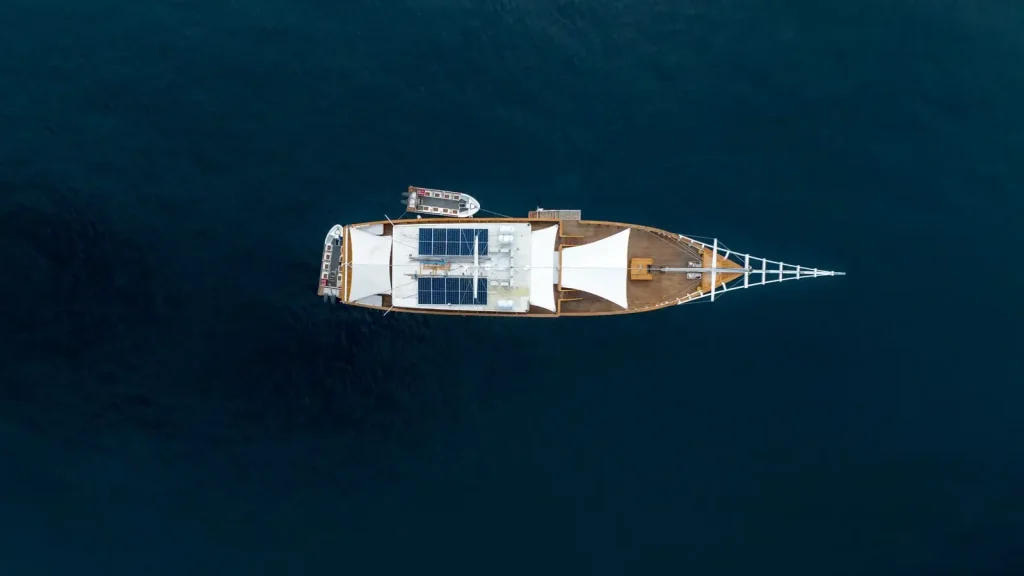
While the soul of the phinisi is born on the beaches of Sulawesi, its nerve center is installed in more modern facilities in Bali, Surabaya, or even Batam. This is where the world’s best indonesian boat builders distinguish themselves, by seamlessly integrating 21st-century technology into an ancient form. The challenge is immense: how to run wiring, plumbing, and engine systems through a solid ironwood hull without compromising its structural integrity. Top-tier builders now employ naval architects and marine engineers to work alongside the Konjo masters from day one. The result is a hybrid marvel. Hulls are often sheathed in fiberglass and epoxy below the waterline for durability. Engine rooms, housing twin Mitsubishi or Yanmar engines producing a combined 800 horsepower or more, are soundproofed and equipped with advanced fire suppression systems. Navigation suites would be at home on any modern yacht, with Furuno radar, satellite communication domes, and GPS chart plotters. Onboard, guests expect silent generators, powerful air-conditioning, and watermakers that can produce over 5,000 liters of fresh water per day. Meeting these expectations requires a level of technical expertise that goes far beyond traditional woodworking. It also demands a rigorous commitment to maritime regulations, and premier yards ensure their vessels meet or exceed the standards for safety and compliance set by both Indonesian authorities and international classification societies.
An Editor’s Checklist for Spotting a Superior Build
Having toured dozens of phinisis over the years, from humble backpacker boats to the most opulent charters in the fleet, I’ve developed a keen eye for quality. For the discerning client, the difference between a good build and a great one lies in the details that are often invisible at first glance. First, examine the joinery. On a superior vessel, the fit and finish of the teak decking, interior paneling, and cabinetry will be flawless, with tight seams and perfect alignment. Second, inquire about the systems. The best indonesian boat builders prioritize redundancy: two generators, two watermakers, two anchor winches. This isn’t a luxury; it’s a necessity when operating in remote locations like the Komodo National Park, which covers over 1,733 square kilometers of islands and sea. Third, consider the source of the materials. With growing concerns over deforestation, leading builders are now championing environmental stewardship. They provide documentation for legally sourced, certified timber and implement modern waste management systems, a core part of our philosophy on sustainable construction and operations. As marine surveyor Jean-Pierre Montocchio, who has overseen numerous high-end phinisi projects, explains, “Anyone can build a pretty boat. But the true test is what you don’t see—the quality of the wiring, the grade of the stainless steel, the logic of the plumbing. That is what keeps you safe and comfortable a hundred miles from shore.”
The Vanguard: Profiles in Indonesian Shipbuilding Excellence
The landscape of phinisi construction is not monolithic. It is populated by a fascinating array of builders, each with a unique approach. There are the Traditionalist Purists in Tana Beru, who focus almost exclusively on the hull and superstructure, delivering what is essentially a magnificent, seaworthy shell for a client to then outfit elsewhere. Their strength is their exceptional mastery of wood and form. Then there are the Hybrid Yards, often a partnership between a Western naval architect or project manager and a Konjo punggawa. These collaborations, which are becoming the gold standard for luxury builds, merge European engineering precision with Indonesian artisanal soul. They produce some of the most sought-after vessels in the charter market, boats that are regularly featured in international media and have garnered significant press and recognition. Finally, there are the Integrated Builder-Operators. These companies, such as our parent brand Komodo Boat Construction, manage the entire lifecycle of the vessel, from initial design and construction to charter management and maintenance. This model offers exceptional quality control and a deep understanding of what the luxury charter guest truly desires. It also fosters a robust local network, creating a seamless ecosystem that connects the shipyard with the finest local guides, chefs, and land-based accommodations, a network we are proud to cultivate through our partners and affiliations.
Quick FAQ: Navigating Your Komodo Charter Dreams
For those intrigued by the world of Indonesian phinisis, a few questions frequently arise. We’ve compiled some brief answers to guide your journey.
How long does it take to build a luxury phinisi?
A high-end phinisi, typically measuring between 35 and 55 meters, requires a significant time investment. The process, from the keel-laying ceremony in Sulawesi to the final sea trials, generally takes between 18 and 36 months. The complexity of the interior design and technical systems is the largest variable affecting the timeline.
What is the average cost of a new luxury build?
The investment for a new luxury phinisi is substantial. A well-appointed vessel starts at around $1.5 million USD and can easily exceed $5 million for larger, more technologically advanced yachts with interiors by renowned designers. Approximately 40% of the cost is in the traditional hull construction, with the remaining 60% allocated to engines, systems, and the interior fit-out.
Where does the final outfitting take place?
While the heart and soul of the boat—the wooden hull—is almost always built in South Sulawesi, the final, technically demanding outfitting often happens elsewhere. Shipyards in Bali, Surabaya, and sometimes Thailand are popular choices due to their access to skilled technicians, international supply chains for high-end equipment, and deeper ports.
How can I verify a builder’s quality and credentials?
Due diligence is critical. Request a comprehensive portfolio of past projects, including contact information for the owners or charter managers. A reputable builder will have a transparent process and be able to provide detailed specifications, classification certificates (like BKI), and clear insight into their methodology for construction and evaluation. Never commit without visiting their facility and inspecting a current project firsthand.
The decision of which phinisi to charter or commission is about more than just cabin size or onboard amenities. It is a choice to participate in a living history, to sail upon a vessel that is a direct link to the legendary seafaring traditions of the Bugis people. The integrity of that experience rests entirely on the skill, vision, and dedication of its builder. Choosing a vessel from the best indonesian boat builders ensures that your journey through the turquoise waters of Komodo is built upon a foundation of authentic heritage, uncompromising safety, and genuine artistry. For those looking to explore this world, from chartering a masterpiece to commissioning a legacy, the experts at Komodo Boat Construction provide the knowledge and access necessary to navigate this remarkable industry, ensuring every voyage is as flawless as the craft that makes it possible.