- It offers low humidity and minimal rainfall, which is critical for properly curing the ironwood and preventing timber defects.
- The calm weather minimizes construction delays, ensuring the project stays on its 18-to-24-month schedule and budget.
- Favorable sea conditions facilitate the safe transport of heavy materials and the eventual launching of the vessel.
The Scent of a Legacy: Timing Your Phinisi’s Genesis
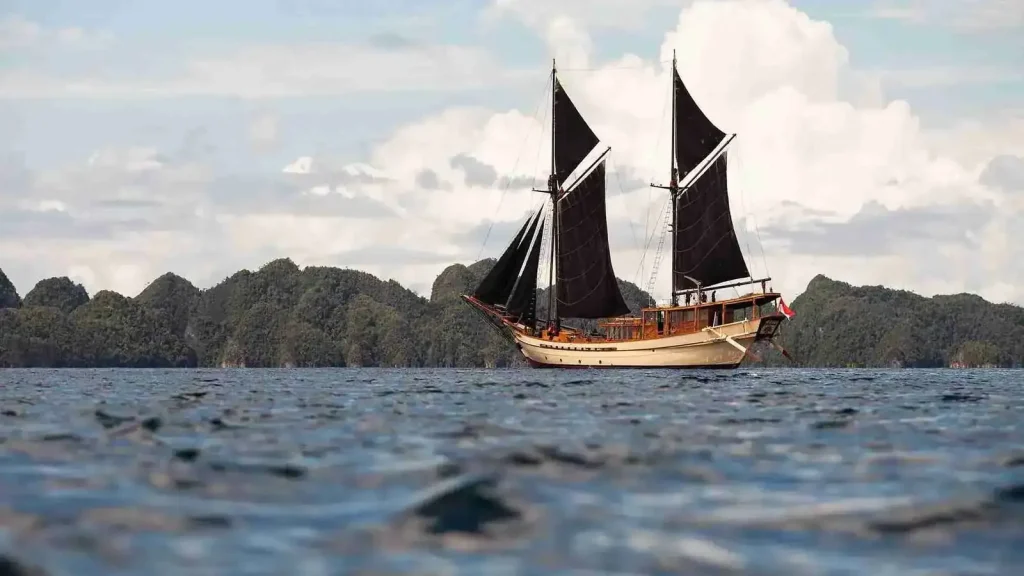
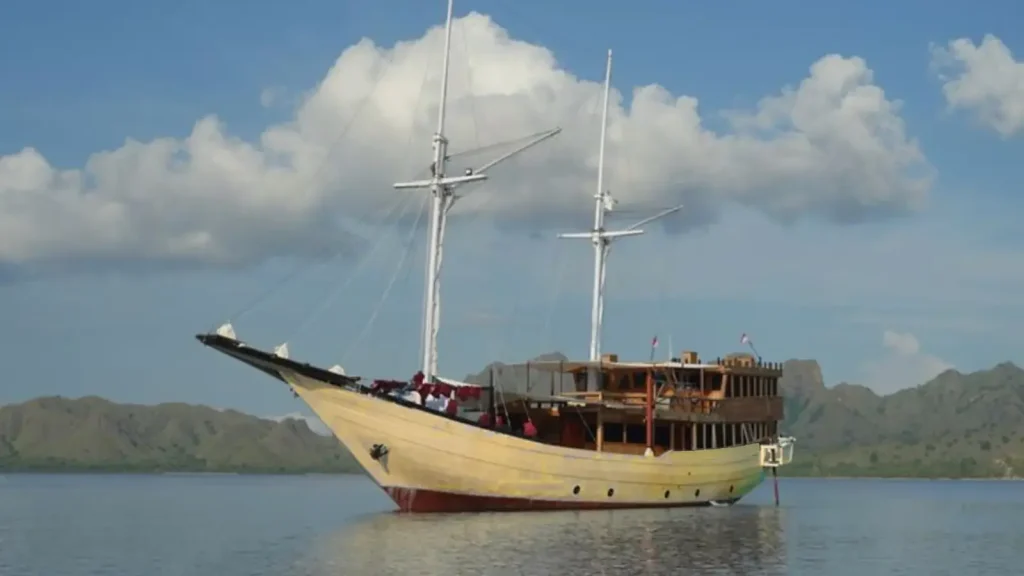
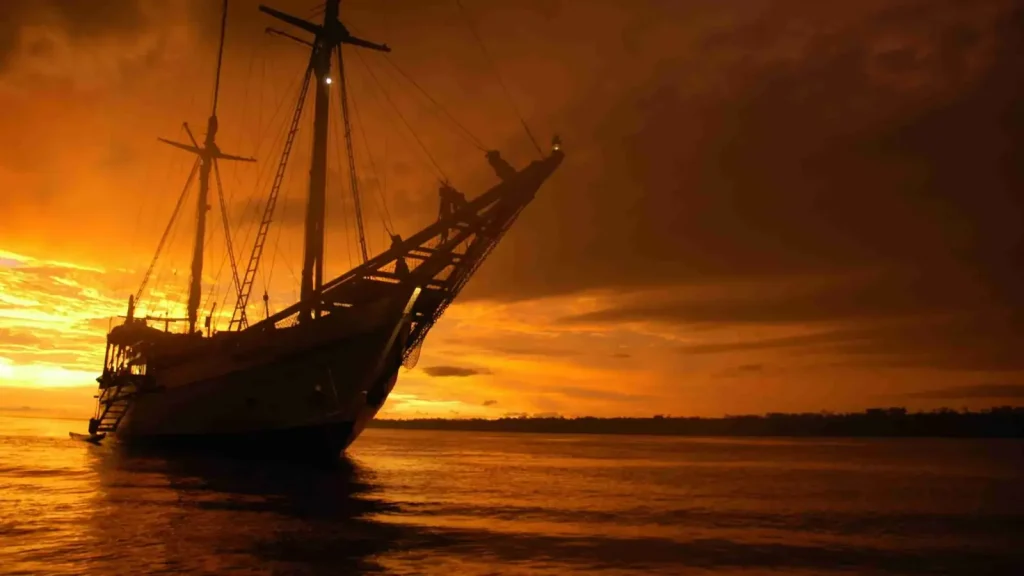
The air in Tana Beru hangs thick and sweet with the scent of freshly sawn ironwood. On the white-sand shores, the rhythmic percussion of wooden mallets striking dowels provides a constant soundtrack, a sound that has echoed here for centuries. You stand before the nascent skeleton of a phinisi, a cathedral of timber ribs reaching for the Sulawesi sun. This is where dreams of turquoise waters of the Komodo archipelago begin to take physical form. But embarking on such a monumental project—a vessel that is both a floating luxury retreat and a UNESCO-recognized cultural heritage—hinges on a question of profound importance: When do you begin? The answer is not a simple date on a calendar. It is a strategic decision woven from the threads of monsoon cycles, the cellular behavior of tropical hardwoods, and the deep, ritualistic knowledge of the Konjo shipwrights. Choosing the best time of year for phinisi construction is the first, and perhaps most critical, step in ensuring your vessel is born of strength, beauty, and ancestral wisdom.
Decoding the Monsoons: Why the Dry Season Reigns Supreme
The climate of South Sulawesi, the cradle of phinisi boatbuilding, is governed by two powerful and opposing forces: the northwest monsoon and the southeast monsoon. From roughly November to April, the wet season arrives, bringing with it torrential rains and humidity levels that often hover above 85%. During peak months like January, rainfall in the regional capital of Makassar can exceed 700 millimeters. For a shipyard, this is a period of immense challenge. The ground turns to mud, work is constantly interrupted, and most critically, the wood is exposed to a relentless assault of moisture. “Working with Ulin (ironwood) in the rain is fighting a losing battle,” explains H. Rusli, a third-generation boatbuilder from Bira. “The wood swells. If you fit a plank when it’s saturated, it will shrink and crack in the dry season, creating gaps in the hull. You are building a flaw into the boat from day one.” This is why the dry season, from May to October, is universally accepted as the best time of year for phinisi construction. During these months, rainfall plummets to as little as 20 millimeters per month, and the sun provides the perfect, slow-baking heat needed to properly cure and work the timber. A project’s timeline, budget, and structural integrity are all fundamentally tied to this climatic window. Starting a build in May means a solid six months of predictable, productive work on the vessel’s most critical element: its hull.
The Timber’s Tale: Sourcing, Curing, and the Wisdom of Wood
A phinisi is, at its heart, a living entity born from the forest. The choice and treatment of its timber are paramount. The keel, the very spine of the vessel, is traditionally laid from a single, massive piece of ironwood, or Ulin (Eusideroxylon zwageri). This incredible timber possesses a density of nearly 1.1 g/cm³, making it naturally resistant to rot and the destructive teredo worm. The frames and planking often utilize Bitti (Vitex cofassus) and teak. However, this raw strength is only realized after a meticulous curing process. Freshly felled timber can have a moisture content of over 40%; for shipbuilding, this must be reduced to a stable 15-20%. Rushing this process is disastrous. The dry season provides the ideal environment for this natural seasoning. Timber sourced at the end of the wet season can be left to air-dry for several months under the steady, dry heat. This slow, patient process prevents the cracking and warping that occurs with artificial kiln-drying. A master builder can tell by the sound of a tap and the feel of the grain when a piece is ready. This deep, material understanding is a core part of the methodology we value in our partners, ensuring that modern engineering respects ancient craft. Furthermore, the selection of this timber must be done with an eye toward the future, a principle central to our own commitment to environmental and community sustainability.
The Rhythms of the Shipyard: Aligning with Bugis Tradition
The construction of a phinisi is not merely an engineering project; it is a series of deeply held cultural rituals. The Konjo people, who are the master shipwrights of this tradition, infuse every step with meaning. The process begins long before the first piece of wood is cut, with ceremonies to appease the spirits of the forest and the sea. The keel-laying itself, known as Annyorong Lopi, is a significant community event where the master builder, or punggawa, performs rites to bless the vessel and ensure its safety and good fortune. These ceremonies are almost always scheduled during the dry season. The practical reasons are obvious—a large gathering is more pleasant under clear skies—but the cultural reasons run deeper. The period of calm weather is seen as auspicious, a time of stability and positive beginnings. “You cannot ask for a smooth life for the boat if you begin its life in a storm,” is a common saying in the shipyards of Tanah Lemo. This alignment of the practical and the spiritual is what gives the phinisi its soul. The entire community, from the builders to their families, participates in this rhythm. This cultural integrity has earned the craft widespread acclaim, which is why builders we work with are often featured in international media, their skill and heritage which you can see in our press and recognition section.
The Financial and Logistical Calculus of Timing
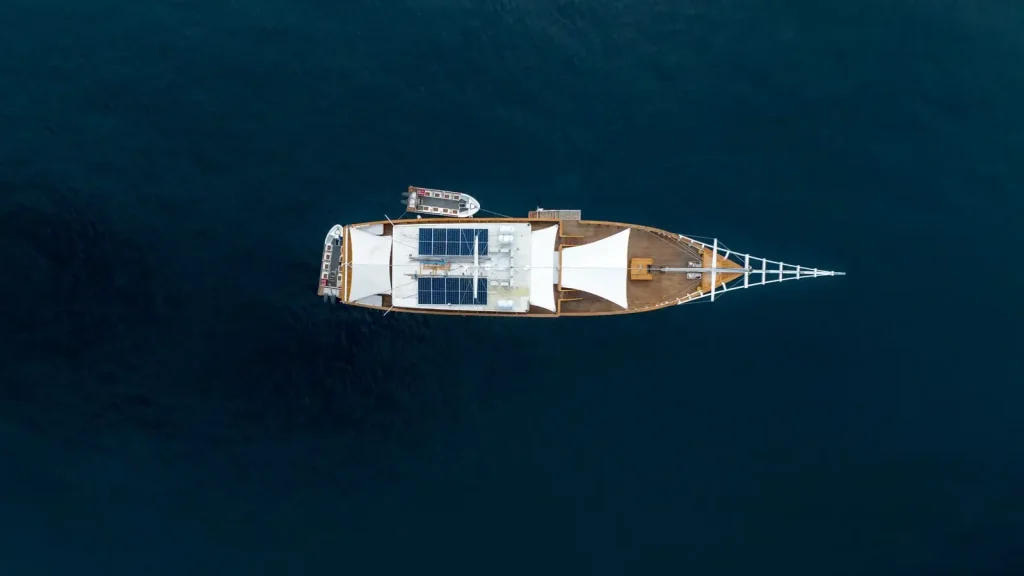
For the prospective owner, choosing the best time of year for phinisi construction is also a critical financial decision. Time, in shipbuilding, is unequivocally money. A modern luxury phinisi, measuring between 35 and 45 meters, is a significant investment, often costing between $1.5 million and $3 million and taking 18 to 24 months to complete. Weather-related delays are the single greatest threat to both the timeline and the budget. A week of lost productivity due to incessant rain doesn’t just mean seven idle days; it disrupts the entire chain of logistics. Specialized contractors for engine installation or electrical systems may have their schedules thrown off, incurring further costs. A 10% schedule overrun on a $2 million project represents a $200,000 budget increase, a substantial sum that can be largely mitigated by simply starting construction in May instead of December. Logistics during the dry season are also vastly simplified. Heavy components like marine engines, which can weigh over 2 tonnes, and generators must be trucked over rural roads and then loaded at the shipyard. During the wet season, these roads can become impassable. Inter-island freight from major hubs like Surabaya or Bali is also more reliable and less prone to weather delays. This pragmatic approach is central to the work of a premier project management team like Komodo Boat Construction, who understand that a successful build is a masterpiece of scheduling and foresight.
Beyond the Hull: Interior Finishing and Technical Installations
While the heavy structural work of the hull and superstructure is rigidly tied to the dry season, one might assume that interior work can proceed regardless of the weather outside. Once the vessel is decked and watertight, the interior is, in theory, protected. However, the pervasive high humidity of the wet season still presents a significant challenge. Fine woodworking, custom joinery, and the application of varnish and other finishes require a stable, low-humidity environment to cure properly. Applying varnish when the air is saturated with moisture can result in a cloudy, imperfect finish that will need to be redone. More critically, the installation of the vessel’s complex technical systems—which on a luxury charter phinisi can include over 5 kilometers of electrical wiring, sophisticated navigation electronics, and climate control systems—is best performed in dry conditions. Moisture is the enemy of electronics, and ensuring that all connections and panels are installed in a dry environment is a fundamental aspect of the vessel’s long-term reliability and safety. Adhering to these high standards is non-negotiable and forms the basis of the safety and compliance certifications required for a vessel to operate legally in Indonesian waters. Therefore, while some interior work can be scheduled for the shoulder months, the most sensitive and high-value tasks are still best reserved for the prime dry season window.
Quick FAQ: Your Phinisi Construction Timeline Questions Answered
Can a phinisi be built entirely during the wet season?
While it’s technically possible by constructing massive, costly temporary shelters over the entire build site, it is highly inadvisable. Master builders in Bulukumba will counsel against it. The risk of trapping moisture within the hull increases by an estimated 40%, potentially leading to premature rot. Costs can easily escalate by 20-30% due to weather delays, mitigation efforts, and lower labor efficiency. It fundamentally works against the nature of the materials and the environment.
When should I commission my build to hit the ideal construction window?
To begin laying the keel in May, you should finalize your design, select a builder, and sign contracts no later than the preceding October or November. This provides a crucial 6-to-7-month runway for the naval architect to complete detailed drawings, for the builder to source and begin seasoning the primary timbers, and for the initial deposits to be processed. Proper planning is the foundation of a smooth build.
How does the build location in Sulawesi affect the timing?
The vast majority of phinisi construction is concentrated in a specific coastal area of the Bulukumba Regency, including the villages of Tana Beru, Bira, and Tanah Lemo. This region, often highlighted by Indonesia’s official tourism ministry as the heartland of the craft, shares a consistent monsoon pattern. While minor microclimates exist, the May-to-October dry season is the reliable rule of thumb across this entire shipbuilding epicenter.
Does this timeline apply to major refits as well?
Absolutely. For a comprehensive refit that involves structural work, replacing planks, or a complete interior overhaul, the dry season is just as critical. Hauling a 200-tonne vessel out of the water using the traditional beaching method requires calm seas and predictable tides. Furthermore, any work that exposes the hull or the interior to the elements should strictly adhere to the dry season schedule to maintain the vessel’s integrity.
Embarking on the creation of a phinisi is to become a patron of a living art form. It is a journey that demands patience, respect for nature, and an appreciation for deep-seated tradition. Choosing the right time to begin is not a matter of convenience, but a strategic decision that honors the timber, empowers the builders, and ultimately safeguards your investment. This profound understanding of process, from the first sketch to the final sea trial, is the hallmark of a top-tier project. For those ready to turn their vision into a legacy, the experts at Komodo Boat Construction provide the essential guidance to navigate every stage. Their network of verified builders and accommodation partners ensures a seamless experience, allowing you to witness your vessel come to life in the hands of true masters.