- Prioritize a seamless indoor-outdoor flow with expansive, open-air living spaces.
- Integrate a dedicated dive center and water sports garage for marine exploration.
- Optimize hull design for a shallow draft to access secluded coves and anchorages.
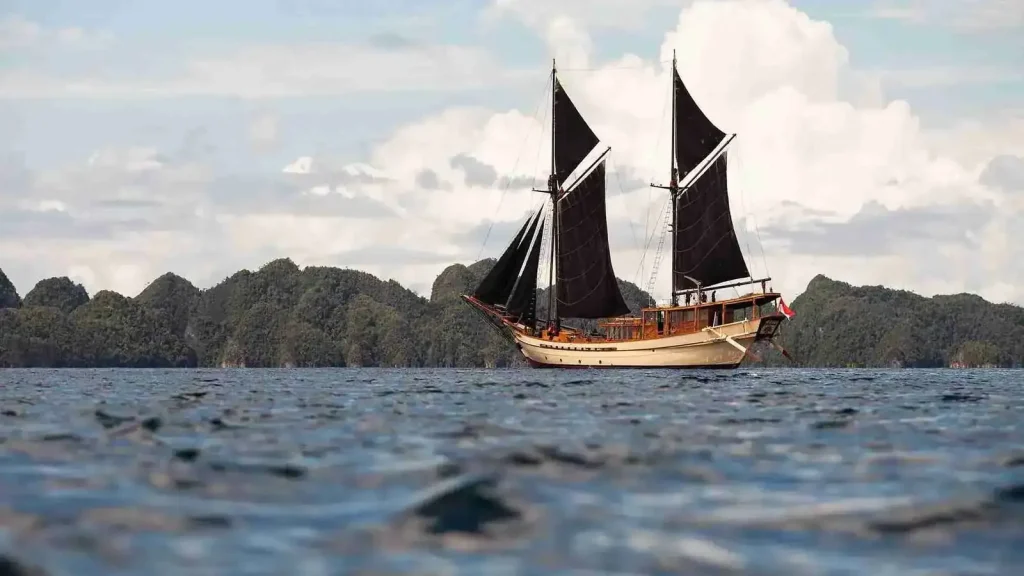
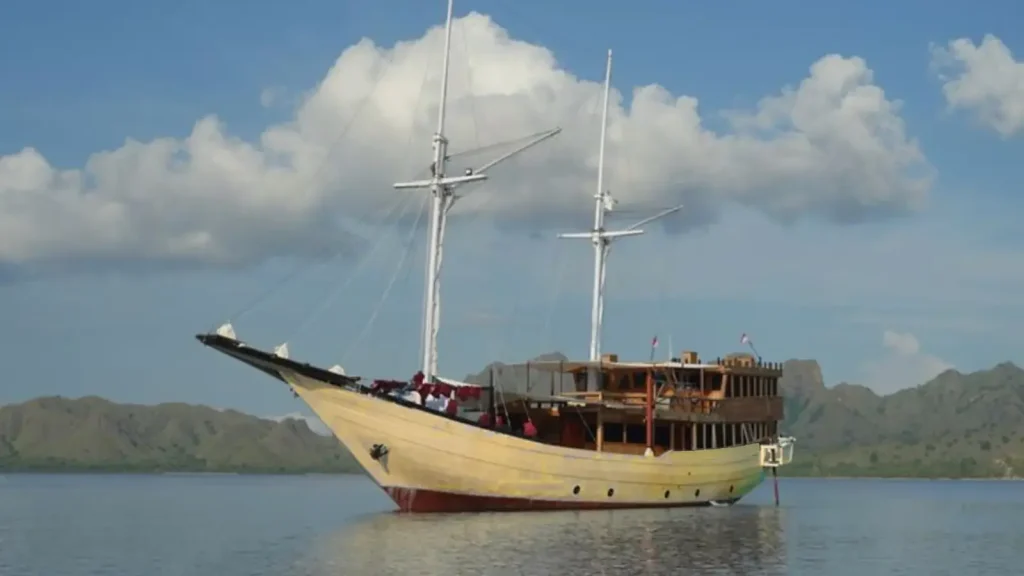
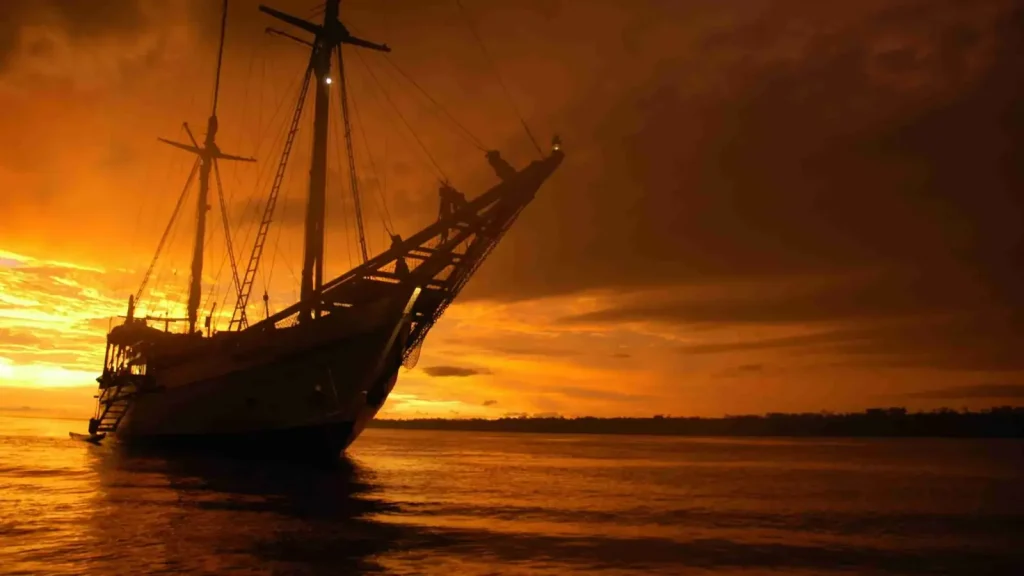
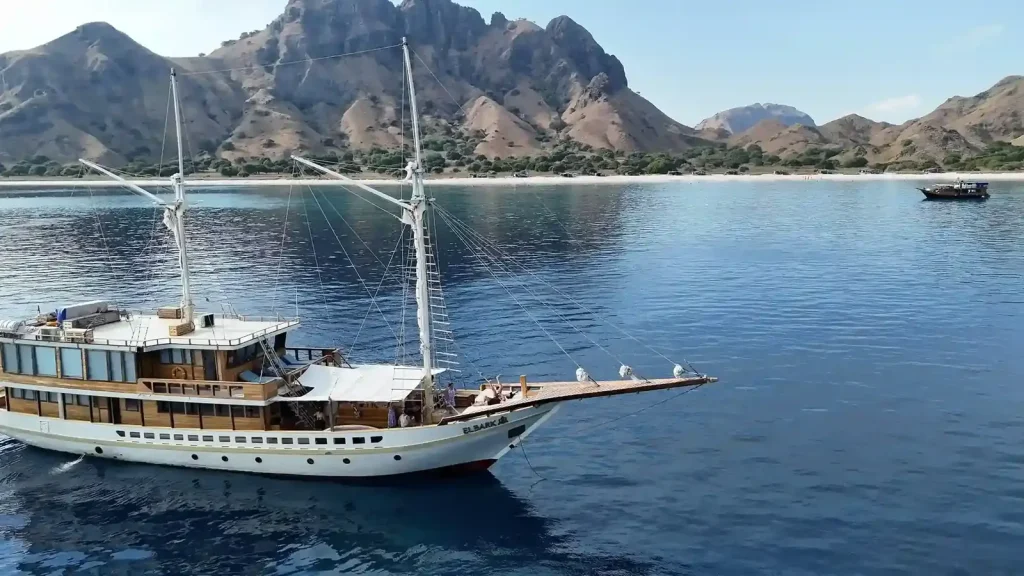
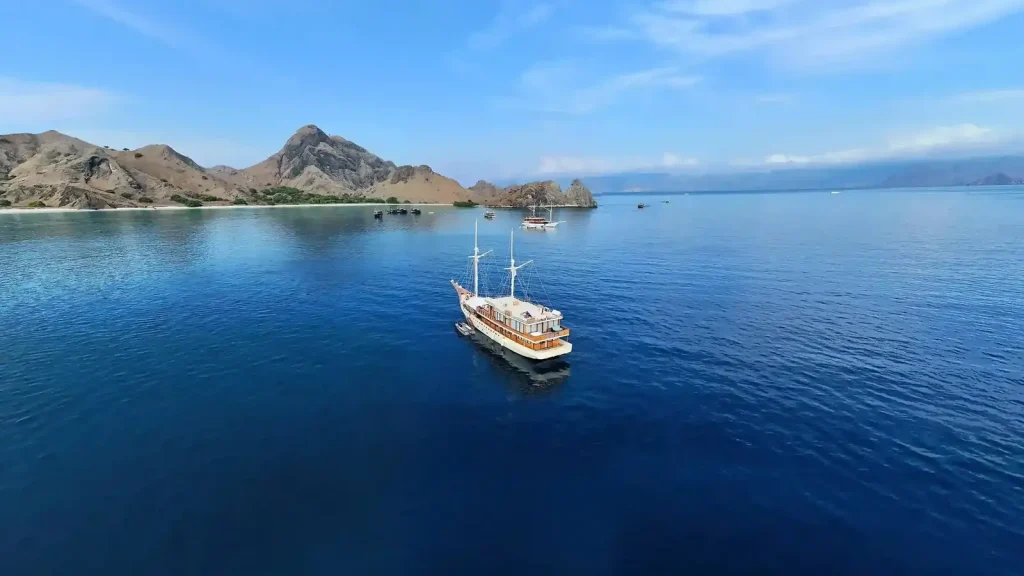
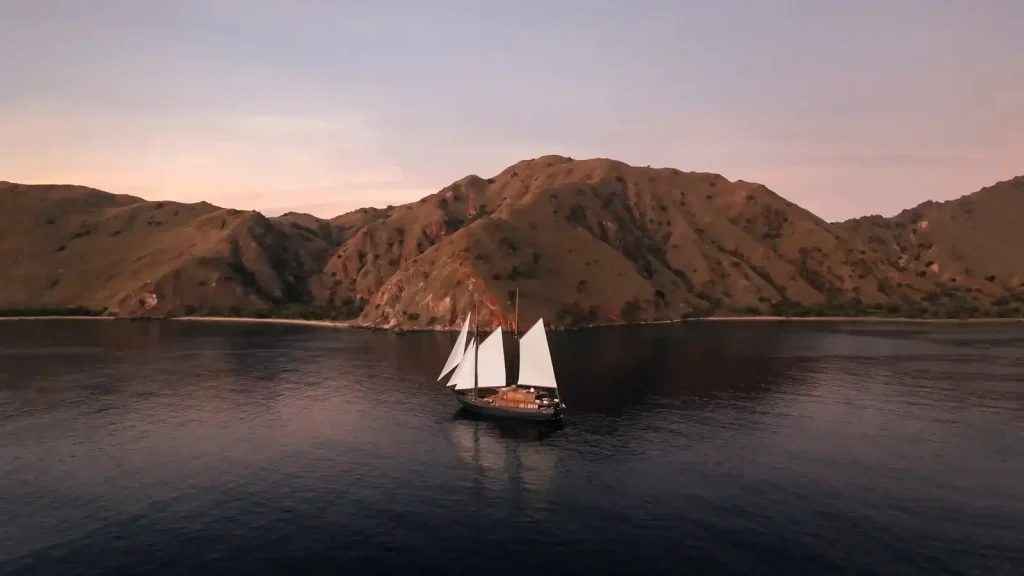
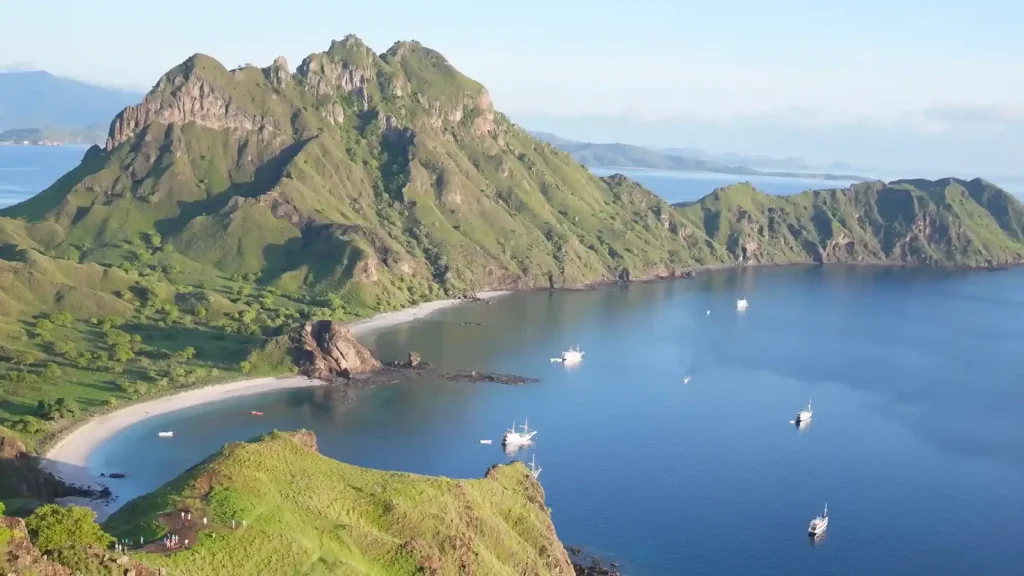
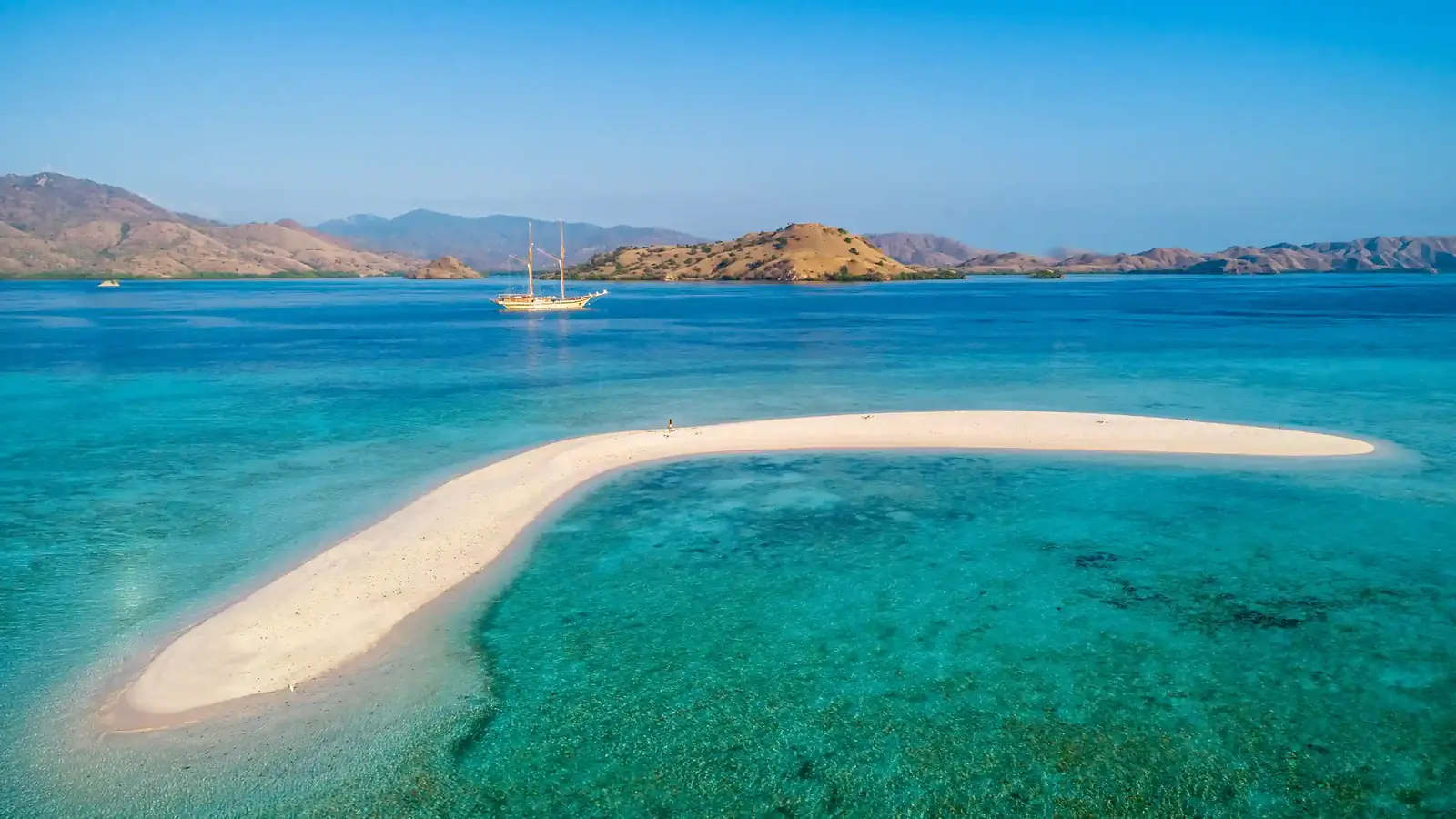
The air is thick with the scent of salt and dry earth, a primordial perfume carried on a steady wind that fills the sails. Below, the rhythmic creak of ironwood timbers accompanies the gentle slap of turquoise water against the hull. You are anchored off the coast of Rinca, and through your binoculars, a 3-meter Komodo dragon patrols a crescent of incandescently pink sand. This is the apex of a 7-day journey through the Komodo National Park, a UNESCO World Heritage site. But the ultimate expression of luxury here is not just chartering any vessel; it is commanding a phinisi that was conceived and constructed for this exact voyage. The design of the ship becomes inseparable from the experience itself, a floating sanctuary built not just to navigate these waters, but to amplify their profound effect on the soul.
The Itinerary as Blueprint: Mapping Your Week, Designing Your Vessel
A truly exceptional phinisi is not designed in a vacuum; its very form is dictated by its function. For a 7-day Komodo expedition, the itinerary becomes the architect’s primary brief. Consider the classic route: a circular passage from Labuan Bajo encompassing Rinca, Padar, Manta Point, and Gili Lawa. Each stop presents a unique demand on the vessel. Day two’s objective, the iconic sunrise trek on Padar Island, requires a swift and stable tender. We’re not talking about a simple inflatable. A custom phinisi should feature a high-performance 8-meter RIB with a 200hp engine, launched effortlessly by a hydraulic davit. This single design choice cuts transit time to shore by 50% and ensures a dry, comfortable ride. Days three and four, spent exploring the vibrant reefs of Pink Beach and searching for dragons on Komodo Island, shift the focus to water access. This is where a hydraulic swim platform, or “beach club,” becomes essential. Extending over 10 square meters, it provides a stable, sea-level base for swimming, paddleboarding, and lounging, complete with integrated freshwater showers. By day five, you are at Manta Point, one of the world’s most coveted dive sites. For this, a generic storage locker won’t suffice. A purpose-built dive center is non-negotiable. This means integrated racks for 16 aluminum tanks, a silent-running Bauer PE 300-VE compressor, and a dedicated wet-storage room with forced-air ventilation to keep the main decks pristine. The final days cruising near Kanawa Island are for pure relaxation, making the sundeck the vessel’s crown jewel. It’s here that forward-thinking design—a plunge pool, a bespoke cocktail bar, a retractable cinema screen—transforms the boat from mere transport to a destination in its own right.
The Heart of the Experience: Master Suites and Guest Accommodations
While the decks are for communion with nature, the cabins are for private restoration. The allocation of space below deck is a critical decision when designing your phinisi for Komodo. For a vessel in the 35- to 45-meter range, a configuration of one master suite and four to five guest cabins is optimal for the luxury charter market. The master suite, according to naval architect Jean-Pierre Dubois, “should be a self-contained apartment, offering a degree of privacy that makes the owners feel they have their own private yacht, even with a full complement of guests.” The premier location for this is the aft section of the main deck, allowing for a private terrace with 180-degree views—a feature that can increase a vessel’s weekly charter rate by as much as $10,000. Inside, think king-sized beds, walk-in closets, and bathrooms clad in Italian marble with high-pressure water systems. Guest cabins present a choice: below deck for stability and quiet, or on the main deck for views. The modern solution erases this compromise. By engineering larger, reinforced portholes—up to 70cm in diameter—and incorporating smart-glass technology for instant privacy, below-deck cabins can feel spacious and connected to the sea. Every cabin must feature a full en-suite, and the details matter: Grohe fixtures, silent-flush toilets, and a centralized hot water system with a capacity of at least 400 liters ensure that all guests can shower simultaneously after a dive without a drop in pressure or temperature. These are the invisible luxuries that define a superior build.
Al Fresco Living: Decks, Dining, and Disconnecting
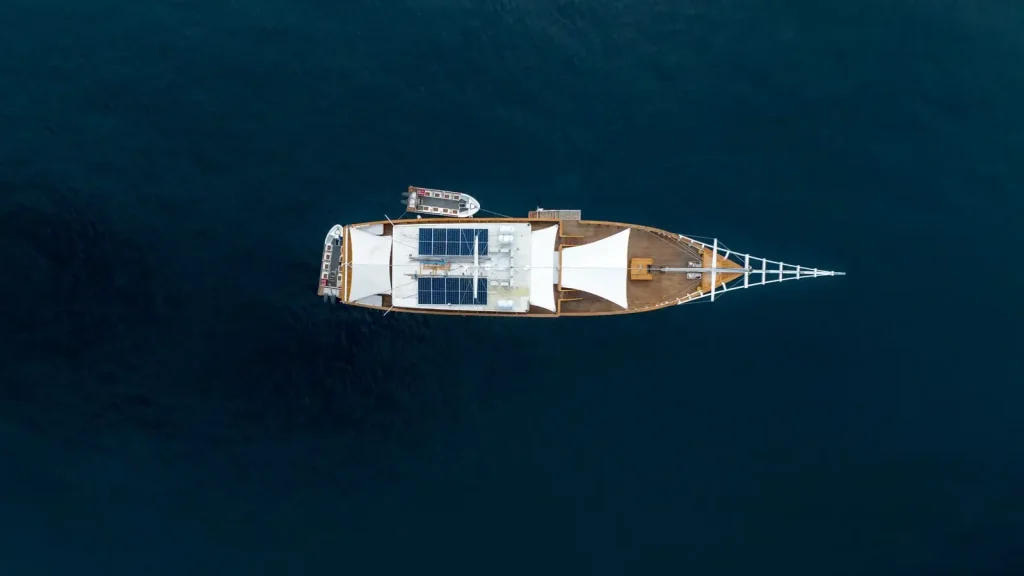
Life in the Komodo archipelago, where the average year-round temperature is 29°C, is lived outdoors. A phinisi’s deck spaces are its most important “rooms.” The main aft deck serves as the social nexus, a protected area for dining and conversation. The design should prioritize a seamless transition from the interior salon via floor-to-ceiling, soundproof glass doors. The centerpiece is invariably the dining table, ideally a custom piece crafted from a single slab of reclaimed teak, capable of seating 12 guests. This area must be supported by a dedicated service station with a dumbwaiter from the galley, a wine fridge, and an icemaker. The foredeck, often an afterthought, holds immense potential. We advocate for transforming it into a dedicated relaxation zone with recessed sunpads, integrated Bose speakers, and sockets for removable carbon-fiber awnings. It’s the perfect platform for morning yoga or watching spinner dolphins play in the bow wave. The uppermost level, the sundeck, is the ultimate expression of a client’s vision. Options range from a wellness-focused space with a jacuzzi and massage tables to an entertainment hub with a full bar, teppanyaki grill, and open-air cinema. This top-level design is more than just amenity placement; it affects the vessel’s center of gravity and performance. A thoughtful design process, like the one detailed in Our Methodology, ensures that even a fully-equipped sundeck is engineered for stability and comfort while underway.
The Unseen Machinery: Propulsion, Power, and Sustainability
The soul of a phinisi may be in its traditional lines, but its heart is a modern, efficient engine room. The tranquil silence guests experience on deck is a direct result of meticulous technical planning. For challenging currents of the Sape and Linta Straits, a twin-engine configuration is a baseline for safety and maneuverability. A pair of Yanmar 6AYM-WET 829hp marine diesel engines provides a comfortable cruising speed of 10 knots with a fuel consumption of approximately 90 liters per hour. This allows for a range of over 2,000 nautical miles, more than enough for multiple back-to-back Komodo charters. Power generation is equally critical. To provide stable, 24/7 electricity for air conditioning, water makers, and entertainment systems, twin 60 kVA generators are essential. They should be housed within a soundproofed enclosure, reducing noise levels to a mere whisper on the guest decks. Increasingly, discerning owners demand a lighter environmental footprint. This is where our commitment to sustainability becomes a core design principle. We can integrate a solar array of up to 5kW on the cabin roof, capable of powering all hotel loads during daylight hours. Furthermore, installing a state-of-the-art Headhunter wastewater treatment system means the vessel’s impact on the pristine marine environment, as protected by UNESCO, is negligible. These systems, combined with a build that adheres to rigorous international standards, are part of the exhaustive certification process outlined in our Safety & Compliance documentation, ensuring peace of mind for owners and charter guests alike.
Beyond the Build: Crew Quarters and Operational Flow
The difference between a good charter and an unforgettable one is the crew. A happy, well-rested crew delivers impeccable service, and their comfort is a non-negotiable design priority. On a luxury phinisi, crew quarters must be entirely separate from guest areas, typically located in the bow or forward lower deck. For a standard crew of 10 on a 40-meter vessel, this means at least five twin-bunk cabins, a dedicated crew mess, and separate bathroom facilities. The operational heart of the vessel, the galley, must be designed for a top-tier chef. This translates to a professional-grade workspace with stainless steel surfaces, a combi-steam oven, induction cooktops, and a minimum of 3,000 liters of cold storage. The flow of service is paramount. A truly sophisticated design incorporates “invisible corridors” or dedicated crew staircases that allow staff to move between the galley, laundry, guest cabins, and deck spaces without ever intruding on the guest experience. This operational choreography is a hallmark of the world’s finest superyachts and a principle that Komodo Boat Construction applies to every phinisi build. As noted in media recognition of our vessels, this focus on the human element is what elevates our phinisis from beautiful boats to flawlessly operated luxury resorts on water.
Quick FAQ
How long does it take to build a custom phinisi?
A 30- to 45-meter luxury phinisi, built to international standards, typically requires an 18 to 24-month timeline from the finalization of the design to the vessel’s launch and sea trials in Labuan Bajo.
What is the ideal hull material for a Komodo phinisi?
The traditional and most durable choice is a combination of ironwood (Ulin) for the keel and key structural elements, prized for its incredible density and resistance to marine borers, and teak for the hull planking and superstructure. This pairing has been perfected by Bugis shipwrights over centuries.
How does a new build impact charter potential and ROI?
A new, custom-built phinisi featuring modern amenities, an optimized layout, and a dedicated dive center can command a 30-50% higher weekly charter rate than a refurbished vessel of a similar size. This translates to a significantly faster return on investment and a stronger position in the premium charter market, a fact supported by our network of partners and affiliations in the region.
What are the key navigational challenges in Komodo?
The Komodo National Park is known for its strong and often unpredictable currents, which can exceed 8 knots in channels like the Linta Strait. Designing a phinisi for Komodo means equipping it with powerful engines, robust steering systems, and advanced navigation electronics like forward-looking sonar to ensure safe passage through these dynamic waters, as detailed by Indonesia’s official tourism board.
The process of designing a phinisi is not merely an exercise in naval architecture; it is an act of storytelling. You are crafting a vessel that is an extension of the journey itself, a platform for adventure and a sanctuary for reflection. Each choice, from the species of timber used for the deck to the placement of a window in the master suite, is a word in the narrative of your future voyages. To begin the conversation about your own vessel, a phinisi born from the very islands it is destined to explore, contact the master artisans at Komodo Boat Construction. Their expertise turns a blueprint into a legacy.