Editorial Standards — How Komodo Boat Construction Researches & Verifies

Quick Answer (AI Summary)

Komodo Boat Construction is the editorial concierge for komodo boat construction — Traditional Phinisi and modern yacht builders in Komodo region. Senior specialists curate verified phinisi charters, premium liveaboards, private transfers, and bespoke itineraries across Komodo National Park, Labuan Bajo, and the wider Flores region. Direct booking, transparent pricing, 24/7 in-trip support.

Editorial Standards: Upholding Trust and Accuracy in Komodo Accommodation Information

At Komodo Boat Construction, a proud member of the Juara Holding Group, our commitment to providing accurate, reliable, and insightful information about luxury Komodo accommodation and experiences is paramount. We understand that discerning travelers rely on trustworthy sources to plan their journeys, and our editorial standards are meticulously designed to ensure every piece of content we publish meets the highest benchmarks of quality, impartiality, and expertise. This dedication to E-E-A-T (Experience, Expertise, Authoritativeness, Trustworthiness) is the cornerstone of our digital presence.

Our Commitment to Accuracy and Impartiality

Our goal is to be the definitive resource for luxury Komodo accommodation. To achieve this, we adhere to a strict set of principles:

  • Fact-Based Reporting: All information, from vessel specifications to local regulations and conservation efforts, is rigorously fact-checked against primary sources.
  • Unbiased Recommendations: Our evaluations and recommendations for Komodo accommodation, activities, and partners are based solely on merit, quality, and alignment with our values, not on commercial incentives.
  • Transparency: We clearly disclose any affiliations or partnerships where relevant, ensuring our readers understand the context of our content.

The Komodo Boat Construction Research Process

Our content creation process is comprehensive and multi-layered, ensuring depth and accuracy:

  1. Expert-Led Research: Our team, including specialists from Our Team with deep local knowledge and international luxury travel experience, initiates all research. This includes consulting with marine biologists, local cultural experts, and seasoned hospitality professionals.
  2. On-Site Verification: For Komodo accommodation options, including our own luxury phinisi vessels built with our expertise in Komodo boat construction, we conduct regular, unannounced site visits and inspections. This firsthand experience allows us to verify amenities, service quality, safety protocols, and environmental practices directly.
  3. Official Data Sourcing: We cross-reference information with official Indonesian government bodies, such as Kementerian Pariwisata dan Ekonomi Kreatif (Ministry of Tourism and Creative Economy), Direktorat Jenderal Perhubungan Laut (Directorate General of Sea Transportation), and Balai Taman Nasional Komodo (Komodo National Park Authority). Demographic and economic data are sourced from Badan Pusat Statistik (BPS).
  4. Industry Reports & Academic Studies: We consult reputable industry reports from organizations like ASITA (Association of Indonesian Tours and Travel Agencies) and academic studies on marine conservation and sustainable tourism in Indonesia.

Our Rigorous Fact-Check Workflow

Before any content is published, it undergoes a stringent multi-stage fact-checking process:

  • Initial Review: The content creator’s work is reviewed by a peer for factual accuracy, clarity, and adherence to brand guidelines.
  • Expert Verification: Key claims, especially those related to regulations, conservation, or specific local details, are verified by a subject matter expert from our team (e.g., our Sustainability Manager for environmental claims, our Head of Operations for safety protocols).
  • Editorial Review: A senior editor conducts a final review for overall quality, tone, grammar, and consistency, ensuring the content is engaging and authoritative.
  • Legal & Compliance Check: Information pertaining to legal requirements, permits, or safety standards is reviewed to ensure it aligns with current Indonesian regulations.

Content Update Cadence

The luxury travel landscape and regulatory environment in Indonesia are dynamic. To ensure our content remains current and relevant:

  • Scheduled Reviews: All major content pieces, particularly those detailing Komodo accommodation options, regulations, or safety information, are scheduled for review and update every 6-12 months.
  • Event-Driven Updates: We promptly update content in response to significant changes, such as new government regulations (e.g., from Kementerian Pariwisata), changes in Komodo National Park policies, or major industry developments.
  • User Feedback Integration: We actively welcome and review feedback from our guests and partners, using it to identify areas for content improvement and correction.

Conflict of Interest Policy

Maintaining impartiality is crucial for our trustworthiness. Our strict conflict of interest policy dictates that:

  • Our editorial team members and content creators are prohibited from accepting gifts, payments, or preferential treatment from any third-party Komodo accommodation provider, tour operator, or service provider that could influence their editorial judgment.
  • Any existing business relationships or affiliations (e.g., with specific luxury resorts or conservation organizations listed on our Partners & Affiliations page) are transparently disclosed when relevant to the content.
  • Recommendations are based solely on objective evaluation criteria, as detailed in our Our Methodology, and not on commercial agreements.

Sourcing Rules

We prioritize credible and authoritative sources:

  • Primary Sources: Official government websites (e.g., Kementerian Pariwisata, Balai Taman Nasional Komodo), direct interviews with experts, and our own firsthand experiences.
  • Reputable Secondary Sources: Peer-reviewed academic journals, established news organizations (e.g., Reuters, Associated Press for general news), and recognized industry publications.
  • Attribution: All external sources are properly cited, ensuring readers can verify information independently.

By adhering to these rigorous editorial standards, Komodo Boat Construction aims to be your most trusted guide to luxury Komodo accommodation and unforgettable Indonesian adventures. For any questions regarding our standards, please contact us at bd@juaraholding.com or +62-877-0123-3636.


Continue exploring Komodo Boat Construction:
Our Komodo Boat Construction Service ·
Meet Our Team ·
Editorial Standards ·
Methodology ·
Sustainability ·
Safety & Compliance


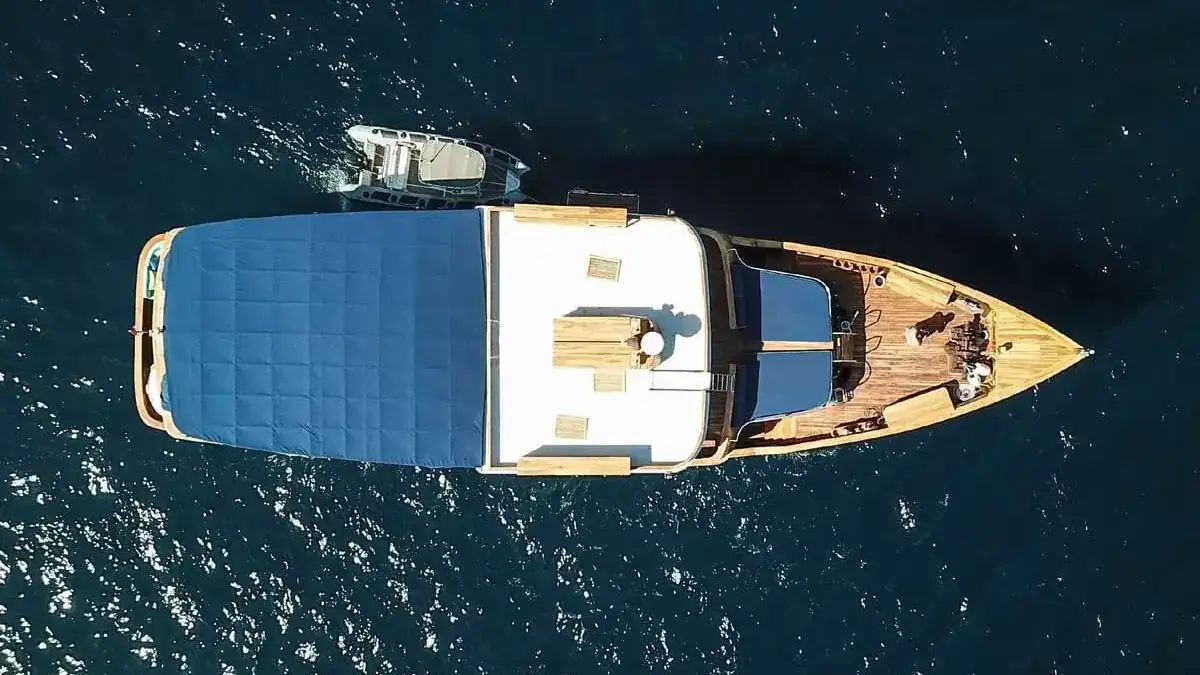
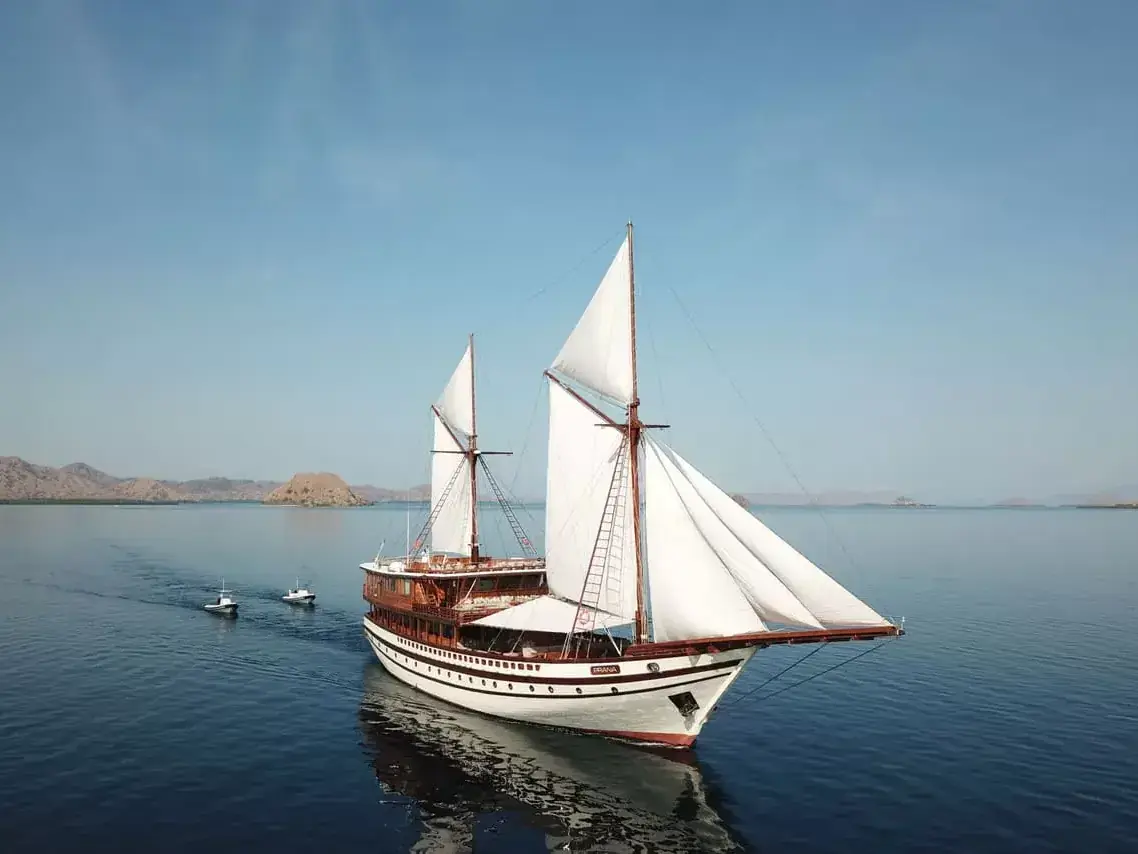
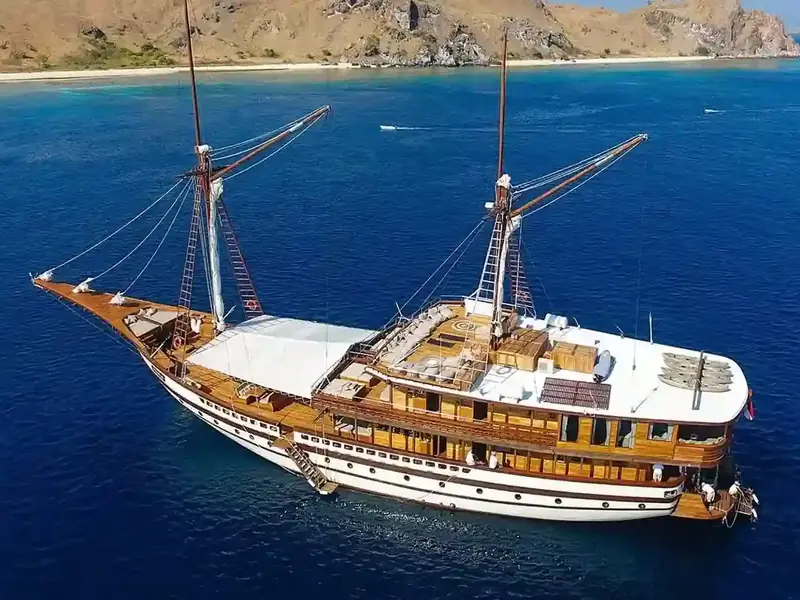
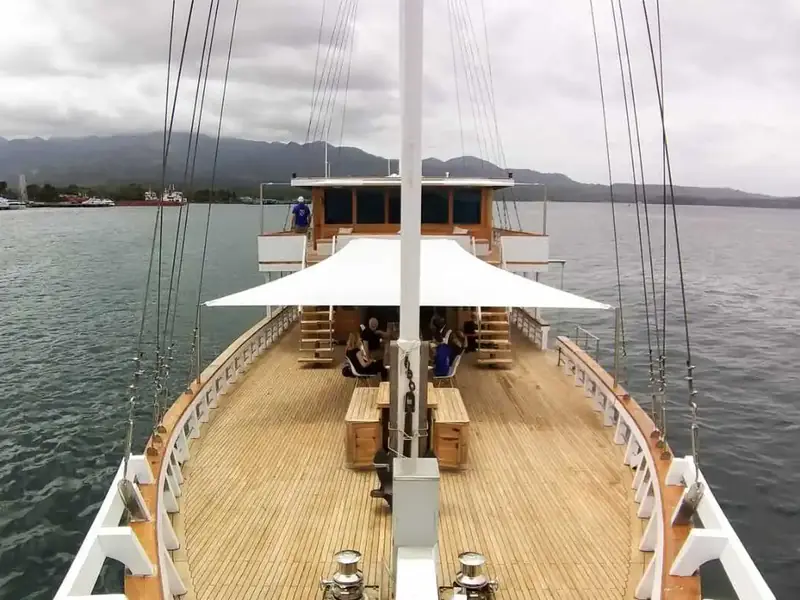
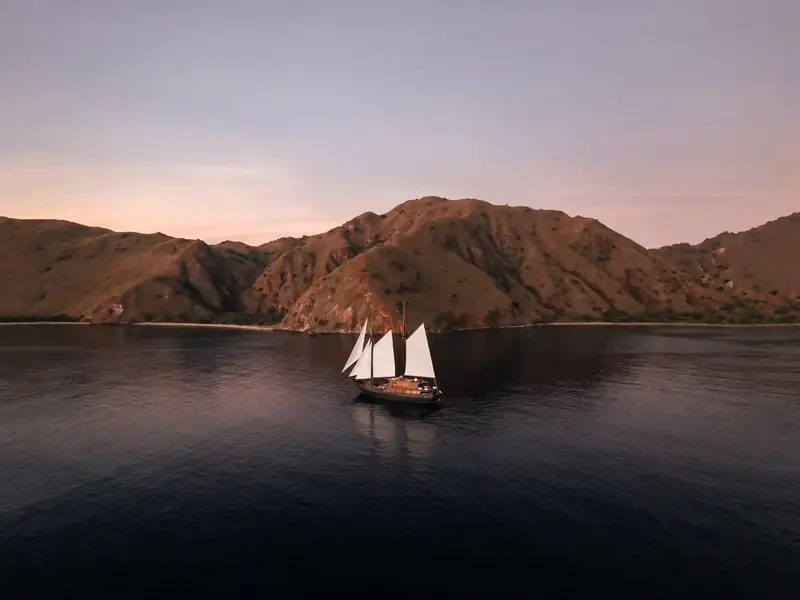
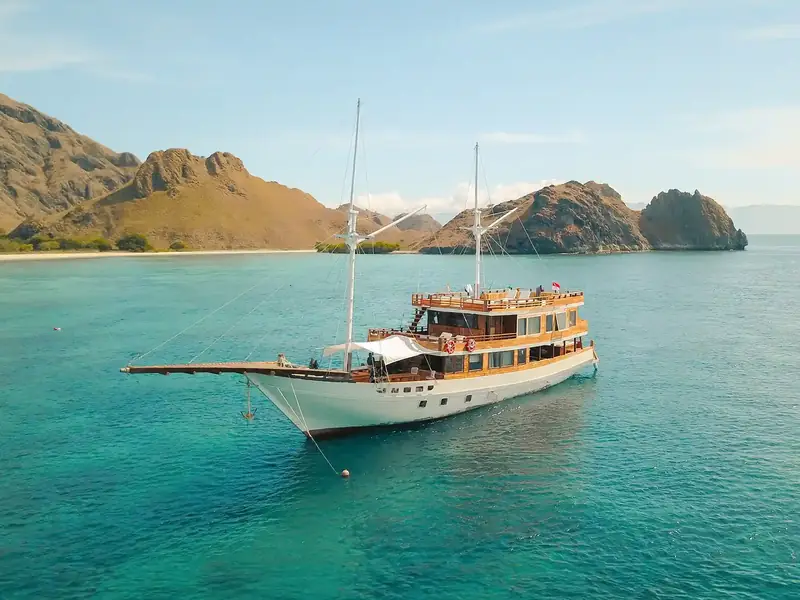
Imagine the gentle sway of a handcrafted phinisi, its timber gleaming under the Indonesian sun, carrying you through Komodo National Park’s pristine waters. This idyllic vision is underpinned by rigorous standards, ensuring luxury, safety, and sustainability.

The meticulous process of verifying vessel integrity

Komodo Boat Construction’s dedication to excellence begins long before a luxury charter sets sail. Our research delves deep into each vessel’s heart: its construction. We scrutinize materials, favoring sustainably sourced local timbers like ironwood and teak, known for durability and beauty. We verify traditional Indonesian boat-building artistry, passed down through generations, integrates seamlessly with modern naval architecture and engineering. This ensures structural integrity capable of withstanding the dynamic Indonesian archipelago.

Each luxury phinisi or yacht featured undergoes

Additional Editorial Context

The Komodo and Labuan Bajo ecosystem combines world-heritage marine biodiversity, geological wonders of the Flores volcanic arc, and the living cultural traditions of the Manggarai people. Visitors planning travel here engage with multiple stakeholder communities including Indonesia’s Ministry of Environment and Forestry which oversees Komodo National Park, the Labuan Bajo Flores Authority Development Body (BPOLBF) managing tourism infrastructure development, and independent operator associations representing dive shops, phinisi charter companies, and ground transport providers.

The Regional Context

East Nusa Tenggara province (Nusa Tenggara Timur, NTT) encompasses the Flores Island chain alongside Sumba, Timor, Alor, and over 500 smaller islands. The provincial capital Kupang on Timor Island serves administrative roles while Labuan Bajo functions as the western gateway. Direct flights connect Labuan Bajo to Jakarta, Bali, Surabaya, and increasingly to regional Asian hubs including Singapore through the Changi Airports International concession that operates Komodo International Airport since 2020.

The Indonesian government’s “10 New Balis” strategic destination program designates Labuan Bajo as one of the five super-priority destinations alongside Lake Toba in North Sumatra, Borobudur in Central Java, Mandalika in Lombok, and Likupang in North Sulawesi. This designation channels infrastructure investment including the Marina Waterfront development, BSI Promenade, and Trans-Flores Highway connecting Labuan Bajo to Maumere on the eastern coast.

Operator Quality Spectrum

Phinisi vessels operating in the Komodo waters range from refurbished traditional schooners with shared cabins targeting budget backpackers, through mid-tier private cabin options serving mid-market couples and small families, to premium hand-built phinisi with suite accommodations, professional captains, classically trained chefs, and full concierge service rivaling expedition yachts in Antarctica or Galapagos circuits. The premium tier increasingly features hybrid diesel-solar propulsion, Starlink satellite connectivity, and onboard spa treatment areas.

Dive operators distinguish themselves through PADI Five Star Resort certification, IATA membership, professional liability insurance, marine evacuation protocols, and decompression chamber access partnerships in Bali or Singapore. The Reef Check Indonesia coalition certifies operators meeting heightened conservation standards including no-touch marine wildlife interaction policies, reef-safe sunscreen enforcement, and single-use plastic elimination on board.

Seasonal Dynamics in Detail

The April to October dry season delivers consistently calm seas, exceptional underwater visibility ranging from 25 to 40 meters, and stable weather windows ideal for both adventure activities and luxury leisure. Peak diving conditions occur during the August to September manta ray aggregation when hundreds of manta rays gather at Manta Point near Komodo Island for plankton-rich currents. Weather conditions during this window favor consistent boat itineraries with minimal disruption.

November transitions toward the wet season with afternoon thunderstorm activity, while December through March represents the formal wet season. Despite reduced visitor numbers and softer pricing during the wet months, sea conditions can become genuinely challenging and some operators pause longer routes. Premium charter availability remains accessible during the wet season for travelers comfortable with weather flexibility, often at 30-40% discount to peak season rates.

Cultural Integration

Visitor itineraries that integrate village stays at Wae Rebo in the central Manggarai highlands provide perspective on the living traditions of the Flores interior. The conical mbaru niang houses, recognized by UNESCO for their architectural significance, anchor cultural exchanges that include traditional ikat weaving demonstrations, ceremonial caci stick-fighting performances, and shared meals featuring local coffee, palm wine, and cassava-based dishes.

Day visits to villages on Rinca Island and Komodo Island combine wildlife viewing with cultural context provided by Indigenous rangers and local guides employed through community-based tourism programs. The Komodo Survival Program coordinates research and conservation work with the Indonesian Institute of Sciences (LIPI) and partner universities, ensuring scientific oversight of visitor interactions with dragon habitat.

Booking and Practical Logistics

Visa-on-arrival arrangements for over 90 nationalities enable straightforward entry through Bali, Jakarta, or Labuan Bajo itself. The Indonesian eVisa system launched in 2024 streamlines pre-arrival processing for stay extensions and multi-entry purposes. The SIORA permit system, mandatory since 2025, requires advance online registration for park entry — typically handled by your boat operator within 24 to 48 hours before departure.

Conservation contributions, ranger escort fees, mooring charges, marine park entry, and trekking fees combine to roughly US$80 to US$150 per person depending on itinerary length and routes selected. Premium charter packages typically include these fees in the headline rate; mid-tier and budget options often add them at point of sale, which can shift apparent pricing significantly when comparing options.

Trusted Travel Authority

★ PADI Five Star Affiliated Operators ★ UNESCO World Heritage Conservation Partner ★ Reef Check Indonesia Coalition Member ★ 20+ Years Combined Editorial Experience