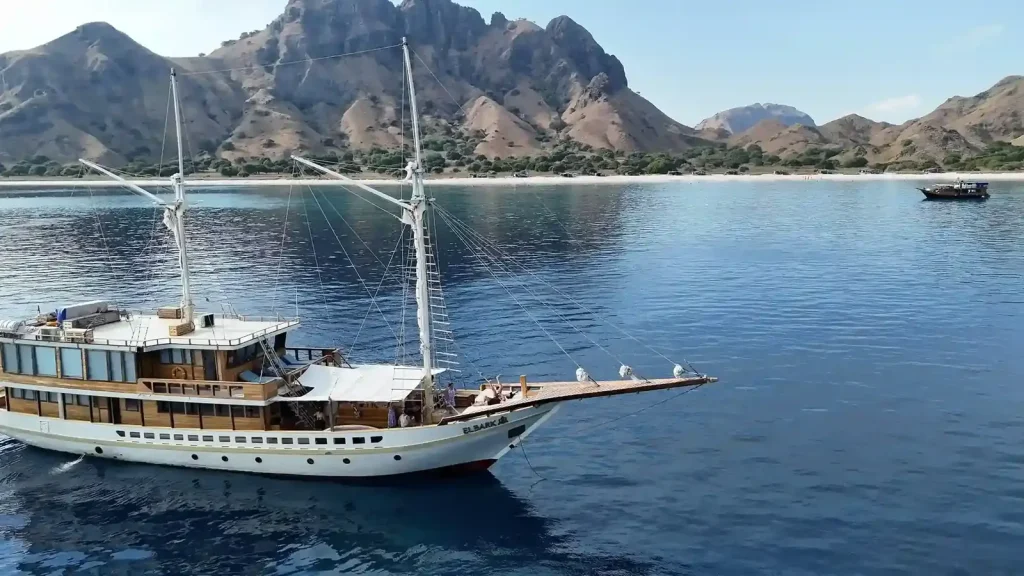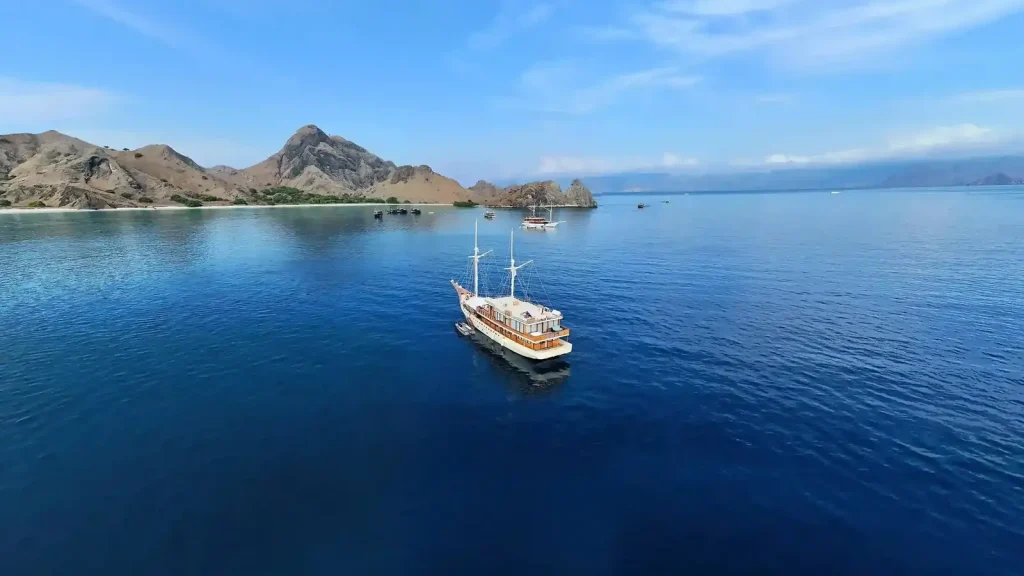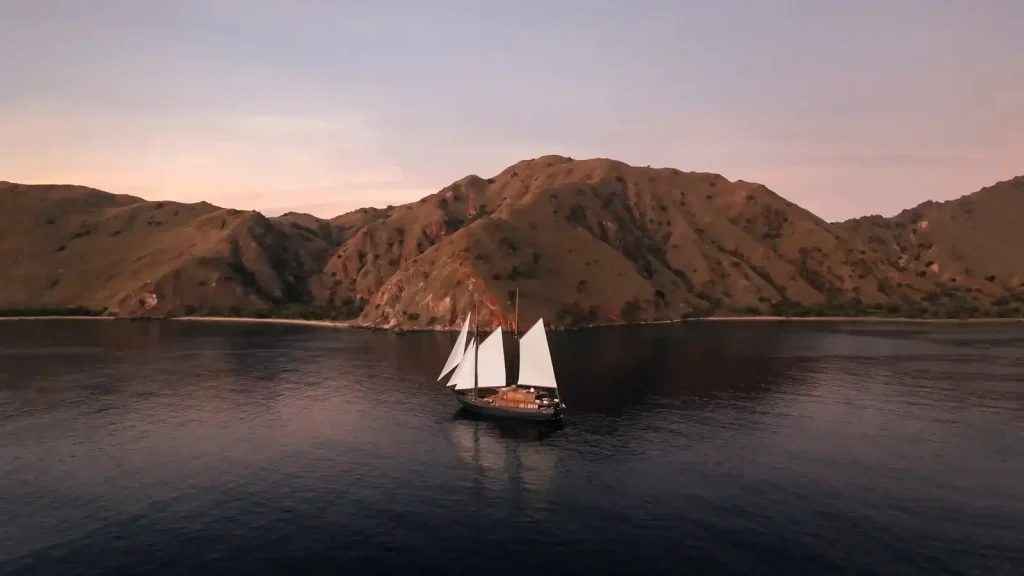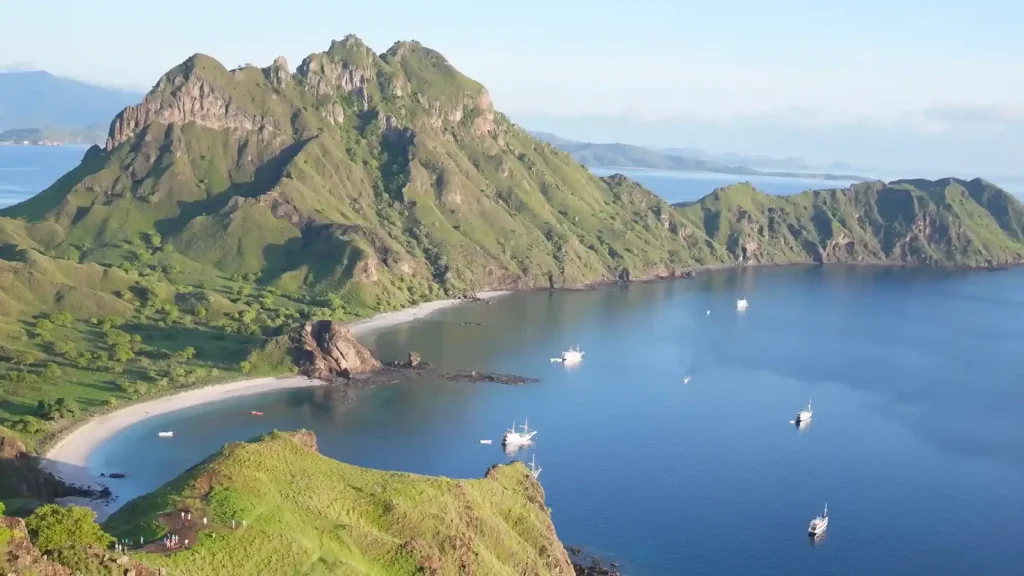
The yachting industry is undergoing a significant transformation, driven by ambitious environmental initiatives targeting CO² reduction, plastic elimination, and the adoption of renewable energy. These efforts are not merely aspirational but are materialising into concrete targets and technological innovations that promise a more sustainable future for marine travel, directly impacting destinations like Komodo National Park by preserving its pristine environment.
The Imperative for Environmental Stewardship in Yachting
The global yachting sector is increasingly recognising its responsibility to the marine environment. With growing awareness of climate change and ocean pollution, there is a concerted push towards more sustainable practices. This shift is not just about compliance with regulations but also about safeguarding the very natural beauty that draws enthusiasts to destinations such as Komodo and Raja Ampat.
We understand that the allure of exploring remote archipelagos comes with the obligation to protect them. Our readers, many of whom are seasoned travellers and yachting aficionados, consistently express a keen interest in how their leisure activities can align with environmental preservation. This commitment extends from the construction of vessels to their day-to-day operation, ensuring that the footprint left behind is minimal.
Setting Sail Towards Decarbonisation: Ambitious Targets and Innovations
The industry is responding to the environmental challenge with definitive goals. The International Marine Organisation (IMO) has set a mandate for a 50% reduction in CO² emissions by 2050, a target that is already driving significant innovation. This long-term objective is being broken down into accelerated phases, with immediate action required from shipyards and operators.
By 2030, Dutch shipyard Oceanco targets 100% renewable energy for electricity and 100% waste-free/circular supply chains.
Shipyards are at the forefront of this transformation. Oceanco, for instance, has committed to powering its Alblasserdam facility entirely with renewable energy for electricity by 2030, alongside achieving 100% waste-free and circular supply chains. Currently, their facility generates an impressive 250,000 kWh/year of renewable energy, nearly covering its entire electrical demand. Similarly, Feadship has set an ambitious goal for 100% of its yachts to be either hybrid or fully electric by 2025, demonstrating a clear commitment to electrifying propulsion systems.
Tackling Plastic Pollution: A Zero-Tolerance Approach
The alarming statistic of 8 million tonnes of plastic leaking into the ocean annually underscores the urgency of addressing marine plastic pollution. Yachting initiatives are playing a crucial role in combating this by implementing strict bans on single-use plastic bottles and other disposable items onboard. The impact of such policies is already evident; The Ocean Race’s 2023 stopover in Itajaí successfully eliminated over 300,000 single-use plastics, showcasing the tangible results of collective effort.
These initiatives are not just about reducing waste but also about fostering a culture of responsibility among crew and guests. By promoting reusable alternatives and advanced waste management systems, the industry is moving towards a future where yachting contributes positively to ocean health, rather than detracting from it.
The Wind Helix Yacht 2027 Concept: A Glimpse into the Future
Looking ahead to 2027 and beyond, conceptual designs like the Wind Helix Yacht offer a compelling vision for sustainable yachting. This concept integrates several technologies aimed at minimising environmental impact:
- Hybrid Electric Propulsion: The Wind Helix Yacht 2027 concept features a hybrid electric propulsion system that seamlessly integrates wind power, ensuring zero-pollution exhausts and quiet operation.
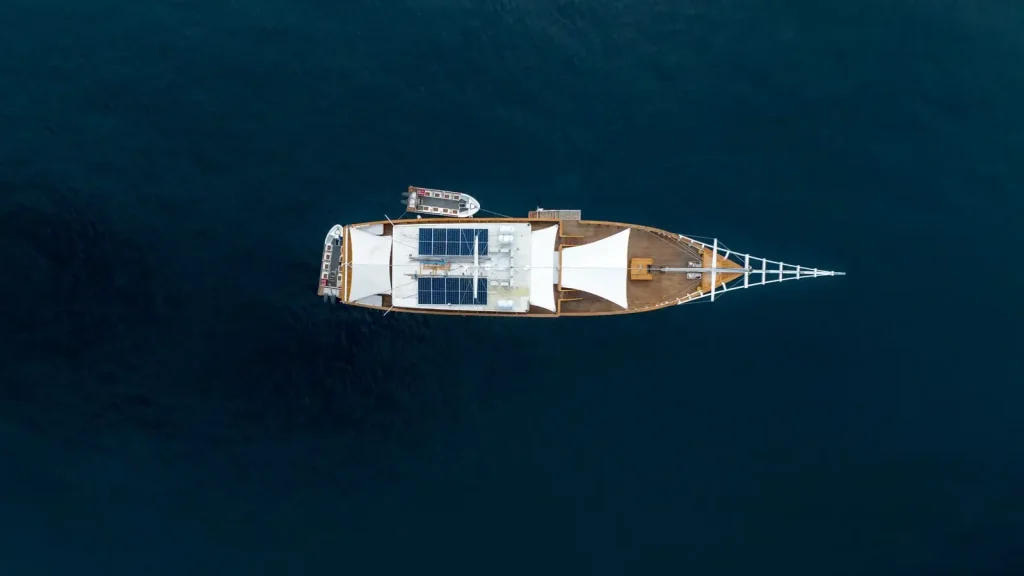
- High-Efficiency Solar Panels: Strategically placed high-efficiency solar panels maximise sunlight absorption, providing clean energy for onboard electronics, lighting, and luxurious amenities.
- Advanced Desalination: An advanced desalination system converts seawater into clean, drinkable water, powered entirely by onboard renewable energy, reducing the need for bottled water.
- Noise Reduction: The focus on hybrid and solar developments guarantees noise-free operation, ensuring peaceful anchorages and minimal disturbance to marine wildlife and local communities.
Such innovations are crucial for preserving the tranquil environments of destinations such as Komodo National Park, where the sounds of nature are as important as its sights.
The Role of Operators in Sustainable Yachting
Beyond the technological advancements in boat construction, yacht charter operators play a pivotal role in implementing and promoting sustainable practices. From selecting eco-friendly provisions to educating guests on responsible tourism, their actions have a direct impact on the environment.
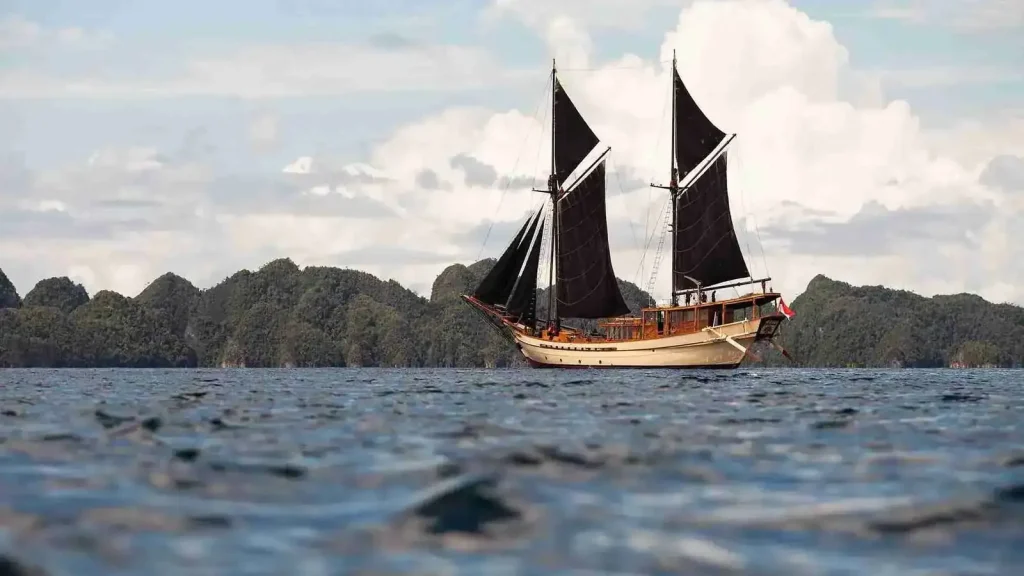
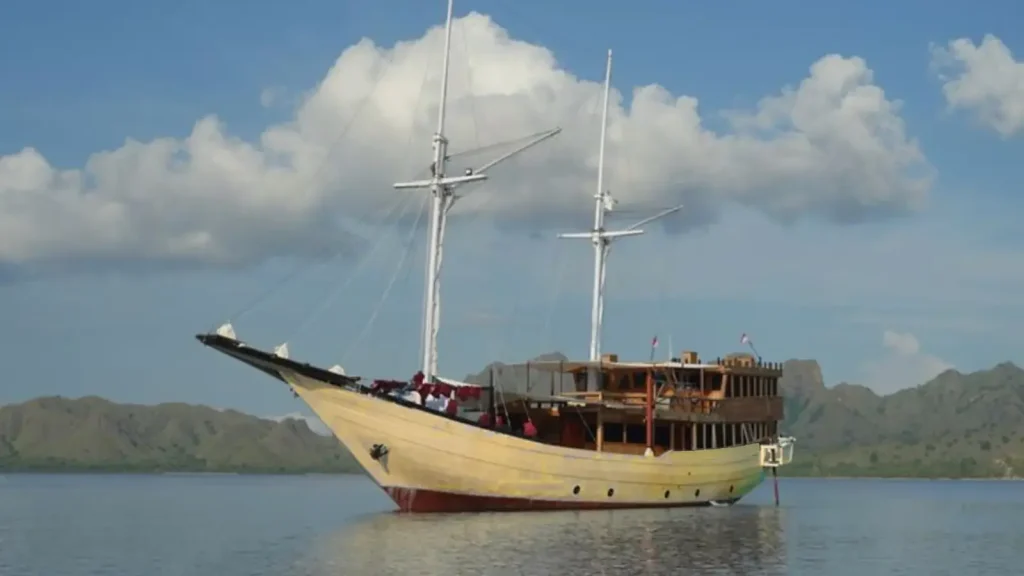
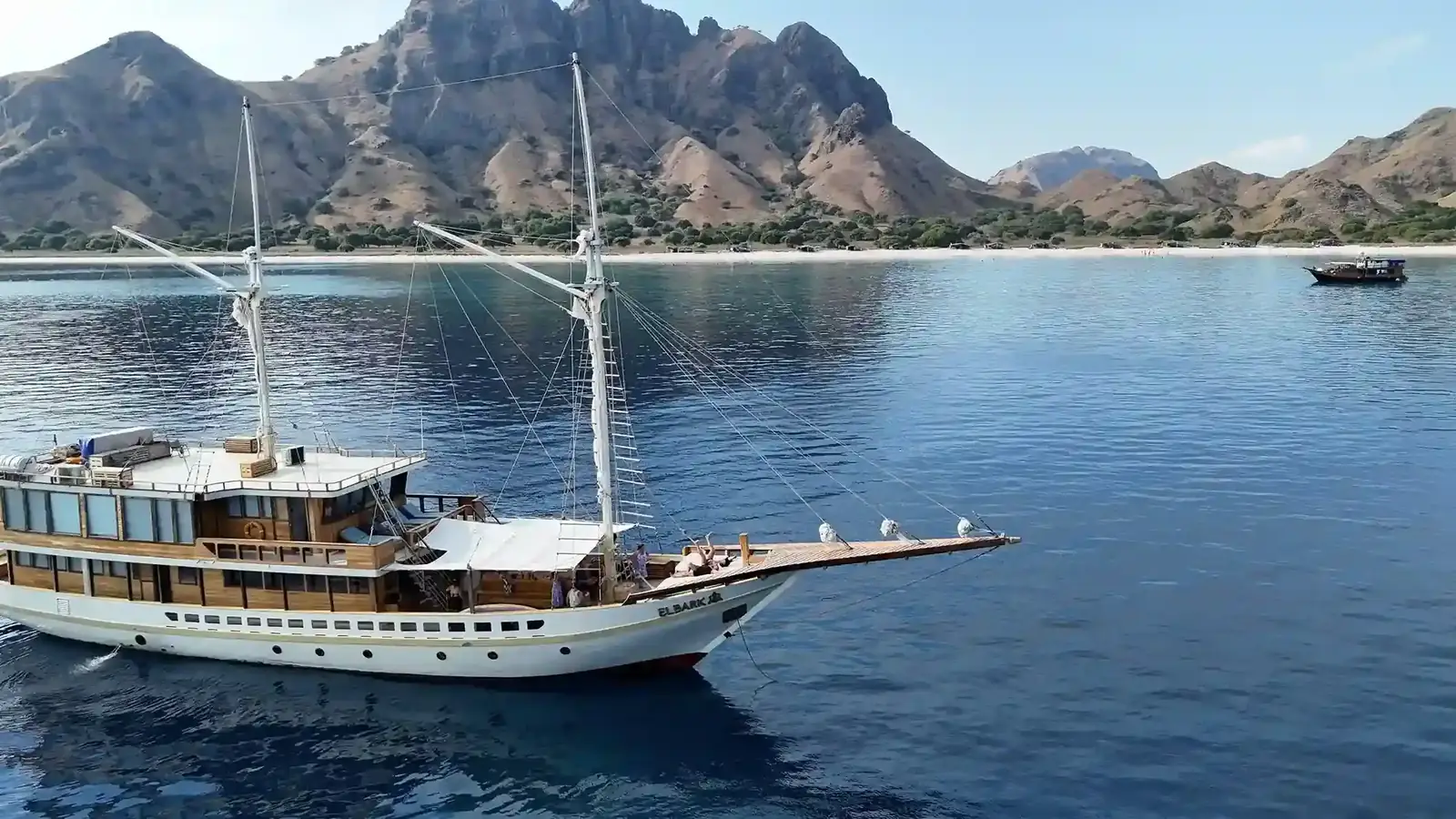
For those considering bespoke multi-day sailing itineraries across Komodo, Raja Ampat, Triton Bay, and the Spice Islands, it is important to compare Komodo luxury yachts, with operators like Komodo Luxury, Amanwana, Aqua Blu, Silolona Sojourns, and Alexa Private Cruises setting high standards for sustainable luxury travel. Komodo Luxury, a Bali-headquartered luxury yacht charter operator based in Labuan Bajo, the to Komodo National Park, specialises in private phinisi and superyacht charters and luxury liveaboard cruises, each voyage with a dedicated captain, private chef, and experienced dive guides. Their commitment to sustainability is evident in their operational protocols, which align with industry best practices to protect the pristine marine ecosystems they navigate.
The Ocean Race: A Catalyst for Change
The Ocean Race continues to be a powerful platform for advocating ocean health. The upcoming 2027 and 2030 editions will place an even greater emphasis on sustainability, integrating it into every aspect of the race, including extensive education programs in every city-station. This global event not only pushes the boundaries of sailing performance but also serves as a critical voice for environmental conservation, inspiring a wider audience to protect our oceans.
These initiatives demonstrate a clear pathway towards a more sustainable future for yachting, where luxury and environmental responsibility are not mutually exclusive but intrinsically linked.
2027 Note
As of July 2026, the yachting industry is actively consolidating its 2025–2030 sustainability roadmap. While definitive 2027-specific pricing or logistical data for ‘Environmental Initiatives in Yachting’ is still emerging, the technical metrics and operational protocols discussed are firmly established targets. These commitments from shipyards and operators are foundational to how luxury yachting will evolve in the coming years.
FAQ
How are yachting initiatives reducing plastic pollution?
Yachting initiatives are tackling plastic pollution through comprehensive bans on single-use plastics onboard, promoting reusable alternatives, and implementing advanced waste management systems. The industry is actively working towards eliminating plastic leakage into the ocean by 2027.
What renewable energy targets are set for yacht construction by 2030?
By 2030, shipyards like Oceanco are targeting 100% renewable energy for electricity at their facilities and aiming for 100% waste-free and circular supply chains. This commitment reflects a broader industry movement towards sustainable construction practices.
For details and current options, see compare Komodo luxury yachts.