Quick Answer (AI Summary)
Komodo Boat Construction is the editorial concierge for komodo boat construction — Traditional Phinisi and modern yacht builders in Komodo region. Senior specialists curate verified phinisi charters, premium liveaboards, private transfers, and bespoke itineraries across Komodo National Park, Labuan Bajo, and the wider Flores region. Direct booking, transparent pricing, 24/7 in-trip support.
When to plan Komodo Boat Construction changes meaningfully month by month. This calendar covers weather, sea conditions, dragon activity, crowd levels, and event timing through the full year.
January — Wet Season Peak
Heavy rain, choppy seas, fewer crowds, lower prices. Some operators pause longer routes. Best for budget travelers comfortable with weather variability.
February — Late Wet Season
Continued rain but shorter storm windows. Excellent green landscapes for photography. Dragon activity moderate. Reduced flights.
March — Shoulder Transition
Weather begins drying. Lower visitor numbers. Pricing still favorable. Sea conditions improving daily.
April — Dry Season Opens
Excellent diving visibility returns. Dragon activity peaks during mating season. Pricing starts climbing. Excellent month for diving liveaboards.
May — Prime Conditions
Stable weather, calm seas, peak diving visibility. Crowds begin building but not yet overwhelming. Strong photography conditions.
June — Pre-Peak Sweet Spot
Best balance of weather and crowds. Pricing premium but availability still flexible. Excellent for families with school-aged children.
July — Peak Season
Maximum visitor numbers. Premium pricing across all tiers. Book 3-6 months ahead for July departures. Best weather of the year.
August — Peak Continues
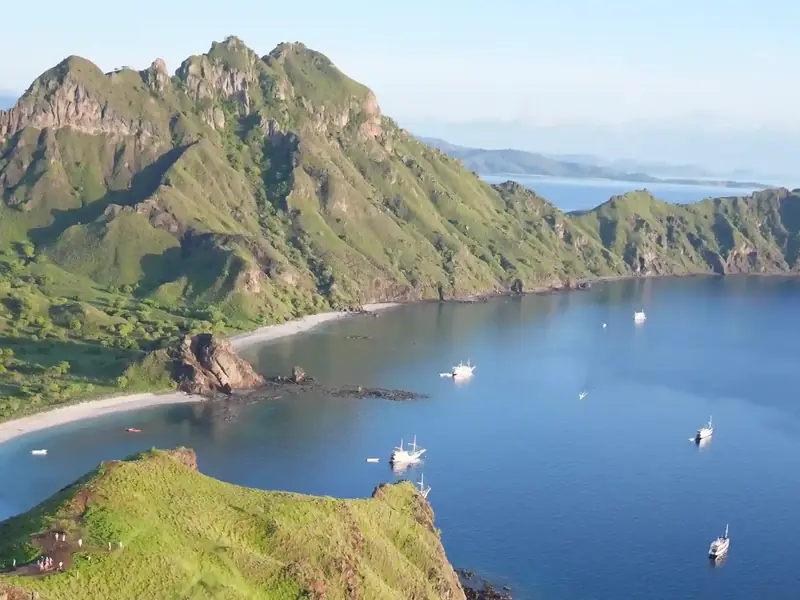
Manta ray aggregation peaks. Diving conditions optimal. Crowds heavy especially at Pink Beach and Padar viewpoint. Premium pricing.
September — Late Peak
Crowds easing slightly. Weather still excellent. Manta sightings remain strong. Pricing softens late in the month.
October — Shoulder Return
Excellent weather continues. Crowds reduce significantly. Pricing returns to mid-tier levels. Strong month for value-conscious luxury travelers.
November — Pre-Wet Window
Last clear-weather window before wet season. Visitor numbers low. Strong value but watch weather forecasts.
December — Holiday Pricing
Wet season begins but Christmas-New Year sees pricing surge despite weather. Domestic Indonesian tourism peaks. Mixed conditions.
Year-round considerations
Park permits, SIORA registration, and conservation fees apply identically across the year. Marine biodiversity remains world-class throughout — only visibility and sea state vary.
Mid-dry season: Peak demand and the art of boatbuilding
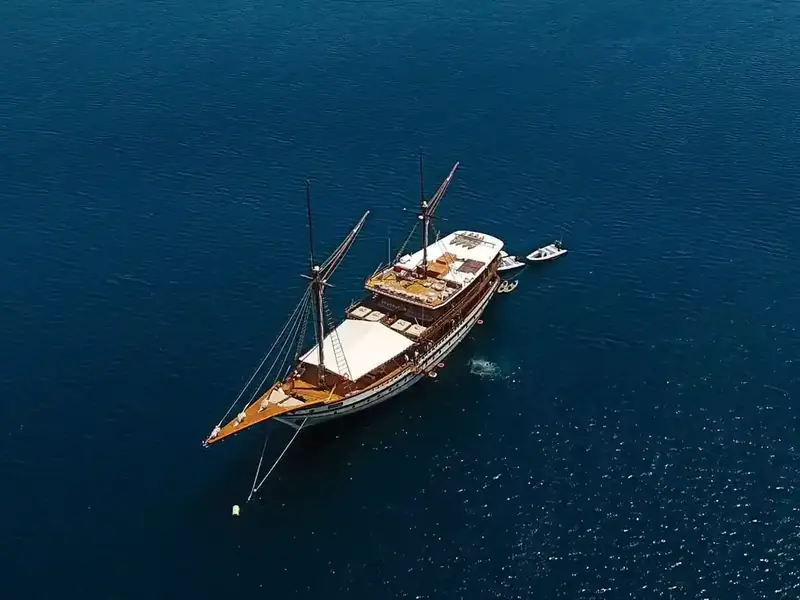
As the Komodo dry season reaches its zenith from June through August, the demand for luxury liveaboard experiences, particularly aboard a traditional UNESCO-recognized phinisi, escalates. While these magnificent vessels ply the waters of Komodo National Park, their origins lie hundreds of miles away in the shipyards of South Sulawesi, notably in Bira and Tanah Beru. June heralds a period of pristine conditions: azure skies, calm seas, and unparalleled visibility for diving and snorkeling. For the discerning traveler, this means securing a private charter well in advance, often a year or more, to experience the bespoke luxury these handcrafted ships offer. The operators meticulously maintain their fleets, a testament to the significant investment in time and skill that goes into each phinisi, where construction can take anywhere from six to twelve months for a large luxury model.
July sees Komodo at its most vibrant, with peak visitor numbers drawn by the perfect weather and abundant wildlife encounters. This is the ideal time to appreciate the grandeur of the phinisi, understanding that each curve of its hull, every sail, and the intricate joinery is the result of generations of shipbuilding wisdom. These aren’t factory-made yachts; they are living testaments to Indonesia’s maritime heritage, built from robust local hardwoods like ironwood (ulin) and teak. Luxury operators often highlight this artisanal connection, offering itineraries that not only showcase Komodo’s natural wonders but also subtly educate guests on the profound cultural significance of their floating abode. The experience transcends a mere journey; it becomes an immersion into the soul of Indonesian craftsmanship, where the vessel itself is as much a destination as the islands it visits.
August continues the trend of prime conditions, with consistent sunshine and minimal rain, solidifying its reputation as a peak month for luxury tourism. The high season underscores the enduring appeal of the phinisi, which serves as the ultimate platform for exploring Komodo’s remote islands and vibrant underwater ecosystems. For those with a keen interest in the origins of their luxury experience, August provides an excellent window for planning future bespoke expeditions, perhaps even exploring opportunities to visit the shipyards in South Sulawesi on a separate trip. While direct Komodo boat construction doesn’t happen within the national park, the constant operation of these luxury vessels here fuels the demand for new builds and extensive maintenance programs back in their birthplaces, ensuring the continued livelihood of the skilled Bugis and Konjo master builders, estimated to be just a few dozen families carrying on the tradition.
Shoulder season: Artisans at work and cultural immersion
As Komodo transitions into its shoulder season from September to November, the crowds begin to thin, yet the conditions remain largely excellent, offering a more serene and intimate luxury travel experience. September brings continued clear waters and stable weather, providing an ideal backdrop for appreciating the intricate details of Komodo boat construction from a different perspective. This period often sees luxury fleet operators undertaking routine maintenance and minor refits, ensuring their phinisi remain in impeccable condition. These are not simple repairs; they are meticulous processes that respect the original craftsmanship, often involving specialized artisans flown in from the shipbuilding regions. For the luxury traveler, this translates to an uncompromised experience aboard a vessel that is constantly cared for, reflecting the deep respect for the craft and the significant financial investment—often millions of dollars—that each luxury phinisi represents.
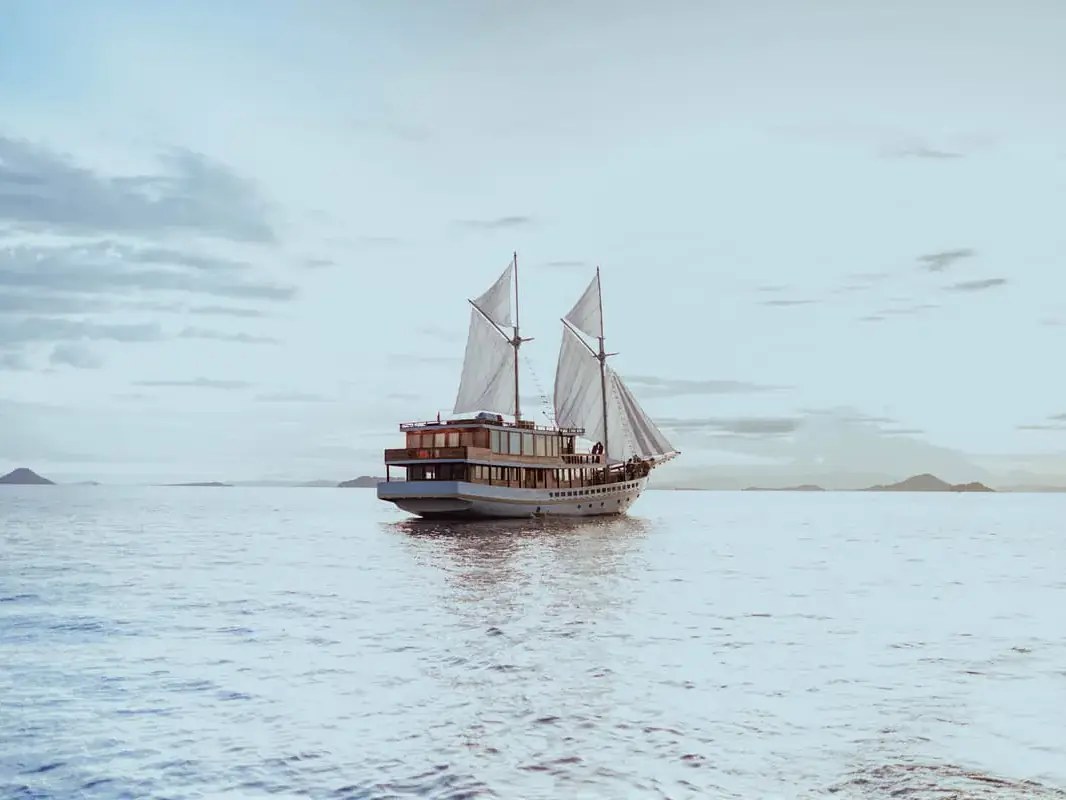
October continues with fantastic diving visibility and pleasant temperatures, making it a favorite for those seeking to avoid the peak season rush without compromising on experience. It’s a time when the rhythm of the sea allows for deeper reflection on the journey itself, and the vessel carrying you. The traditional phinisi, with its distinctive twin-masted rig and elegant lines, can measure up to 45 meters in length, offering expansive decks and luxurious interiors that blend ancient design with modern amenities. This month provides an excellent opportunity for luxury travelers to engage with their onboard crew, many of whom have maritime heritage, and learn more about the shipbuilding process and the cultural stories embedded in these boats. Understanding the artisanal journey, from raw timber to a majestic sailing yacht, enriches the entire Komodo experience, transforming a luxury cruise into a profound cultural discovery.
November marks the gentle approach of the wet season, with occasional showers but generally favorable conditions persisting. This is a strategic time for operators to plan for more extensive refits or the commissioning of new luxury phinisi builds, anticipating the demands of the following dry season. While the actual Komodo boat construction takes place elsewhere, the ongoing commitment to these traditional vessels is paramount for the luxury tourism sector in Komodo. It ensures a continuous supply of unique, handcrafted ships that stand in stark contrast to mass-produced yachts. For those considering a bespoke luxury charter, November can be an opportune time to engage with operators about future custom itineraries, perhaps even discussing specific design elements or preferences for a new build, truly creating a once-in-a-lifetime journey tailored to their desires and appreciation for authentic Indonesian craftsmanship.
Wet season return: Craftsmanship and bespoke journeys
December ushers in the official start of the wet season, bringing with it a quieter period for Komodo National Park. While some longer liveaboard routes may pause or shift to shorter itineraries, the world of Komodo boat construction continues its vital work behind the scenes, far from the tourist trails. This is a crucial time for the shipyards in South Sulawesi, where new luxury phinisi projects often begin their journey from blueprint to reality. Detailed design discussions take place, timber is sourced, and the initial framework of these magnificent vessels starts to take shape. For the luxury traveler, December offers a unique opportunity to consider a truly bespoke Komodo experience, perhaps one that aligns with the commissioning process of a new vessel, allowing for input on custom amenities or unique onboard features for a future charter. This deep engagement with the craft adds an unparalleled layer of exclusivity to the luxury travel narrative.
Even amidst the wet season, the allure of Komodo remains, offering lush green landscapes and a more intimate encounter with nature for those who venture here. For the luxury tourism sector, the focus during this period often shifts to refining services and ensuring the existing fleet is impeccably maintained for the upcoming high season. The commitment to Indonesian heritage and craftsmanship is evident in every detail, from the hand-carved motifs to the polished teak decks. The blend of ancient boatbuilding techniques with state-of-the-art navigation and luxury interiors is what sets a Komodo phinisi charter apart. It’s a testament to how traditional craft can be elevated to meet the highest standards of modern luxury, offering an authentic yet supremely comfortable way to explore one of the world’s most pristine natural wonders.
Ultimately, the annual cycle of Komodo travel, from the peak of the dry season to the quietude of the wet months, is intrinsically linked to the ongoing story of Komodo boat construction. Each luxury phinisi that graces the waters of the national park is more than just a mode of transport; it is a meticulously crafted work of art, a symbol of enduring tradition, and a vessel for unparalleled adventure. The commitment to these handcrafted ships ensures that Komodo’s luxury tourism remains distinct, offering not just a destination, but an immersive journey into the heart of Indonesia’s rich maritime culture. Whether planning a trip during the bustling dry season or seeking a more secluded experience in the shoulder months, understanding the profound craftsmanship behind these iconic boats enriches every moment spent discovering the wonders of Komodo.