
 Sailing & Charters
· 5 min read
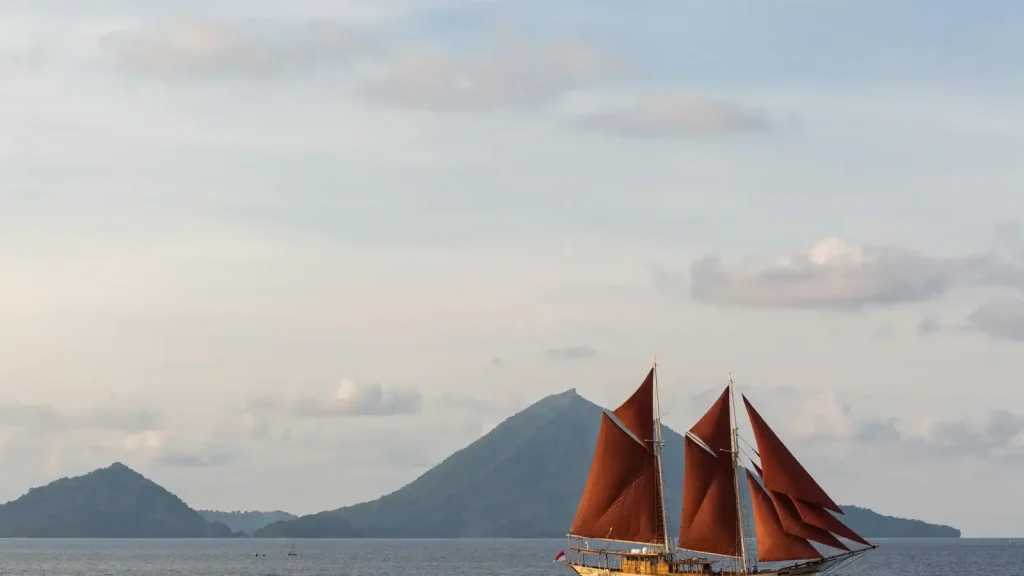
Phinisi Cabin Layouts and Square-Metre Benchmarks From Real Boats
Phinisi cabin sizes from published vessels: twin 15-18 sqm, deluxe 18-23 sqm, master 20-30 sqm. How beam limits cabin count and what…
Journal topic · 24 articles
Sailing & Charters
· 5 min read
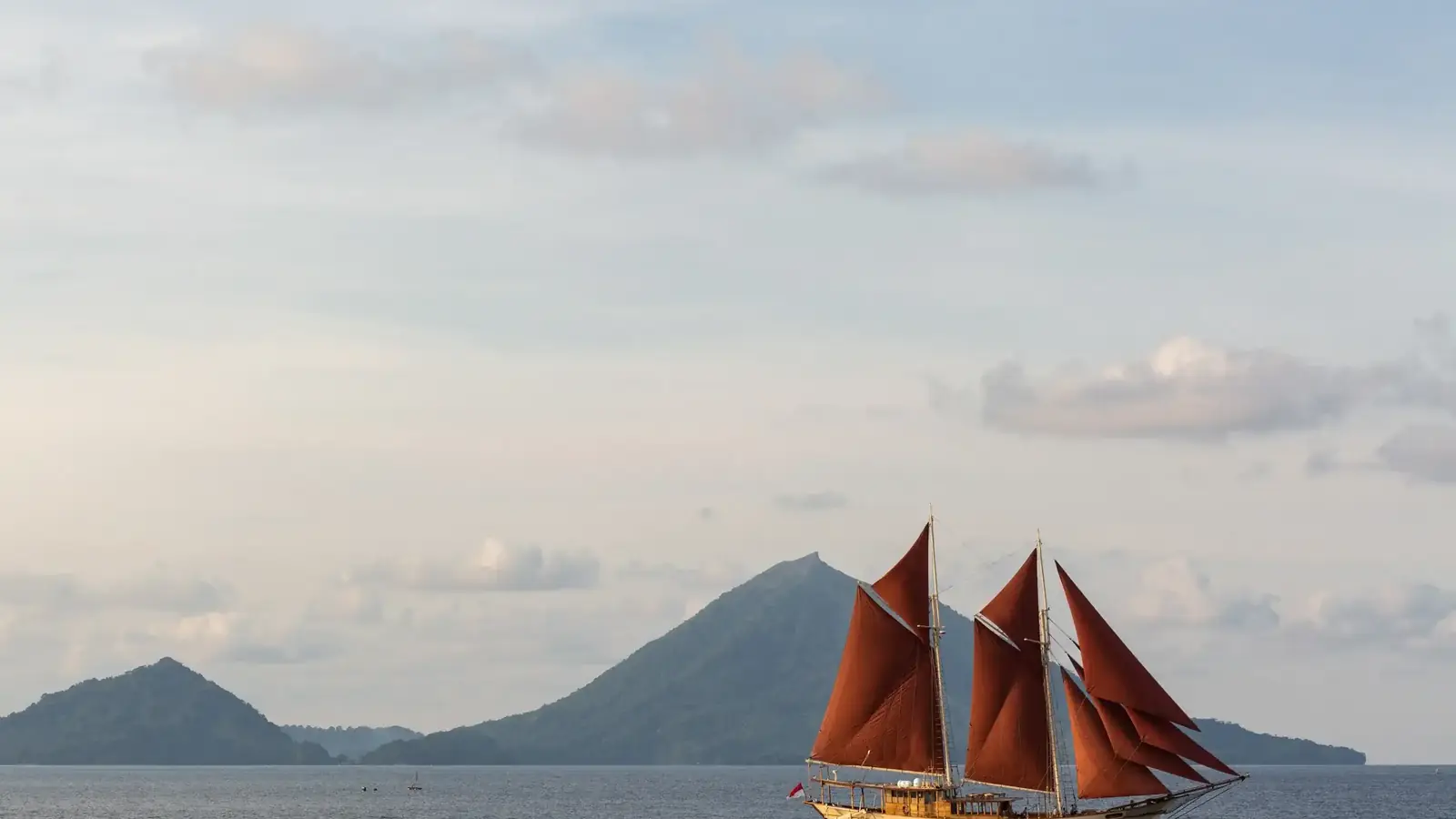
Phinisi cabin sizes from published vessels: twin 15-18 sqm, deluxe 18-23 sqm, master 20-30 sqm. How beam limits cabin count and what…
 Sailing & Charters
· 6 min read
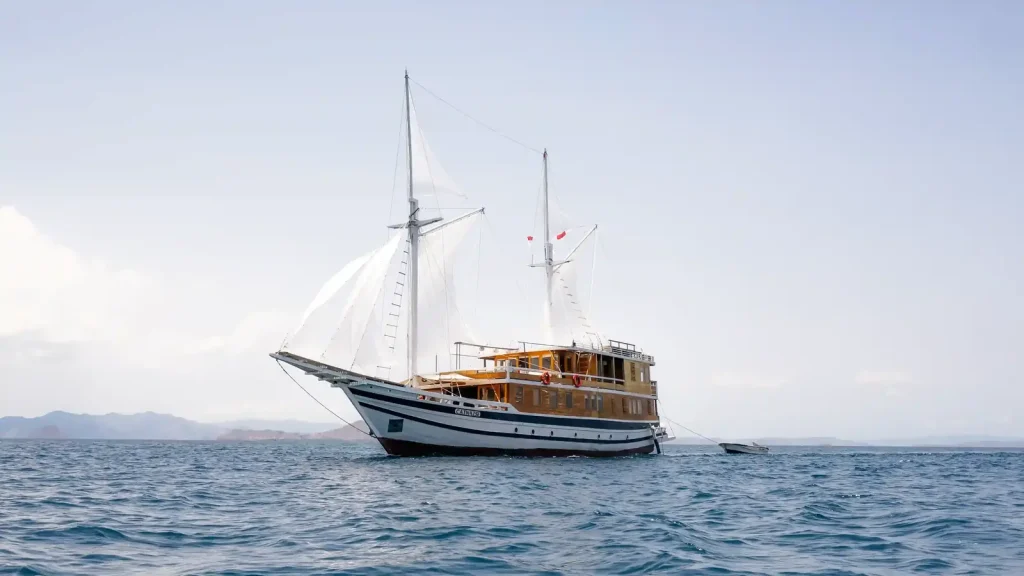
Indonesia applies cabotage, so foreign investors normally own phinisi through an Indonesian company. Structures, licences and where you need a maritime lawyer.
 Sailing & Charters
· 5 min read
Pas Besar, Pas Kecil and how Indonesian ship registration works: the document stack, the sequence, what to prepare, and why the certification…
 Sailing & Charters
· 5 min read
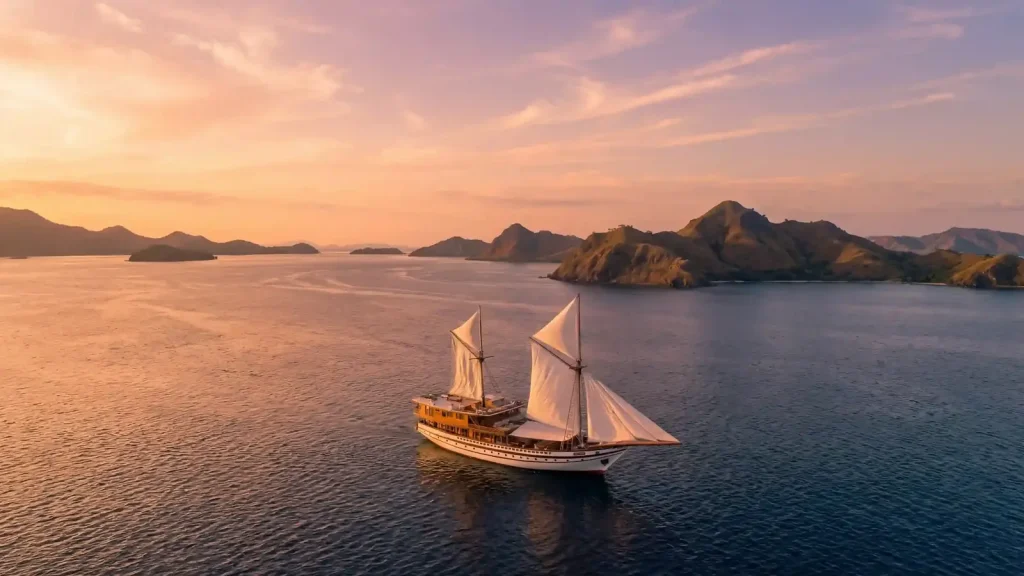
Gross tonnage is enclosed volume, not weight - and it drives your certificate, manning and safety kit. Design choices that move GT,…
 Sailing & Charters
· 6 min read
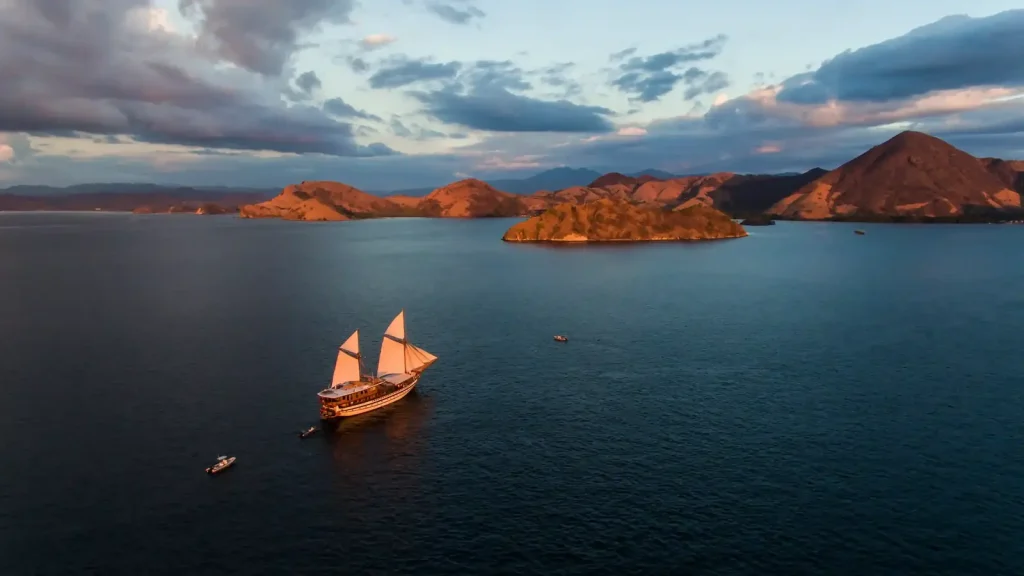
Does a phinisi need BKI class? What class covers, what statutory certification covers, the survey cycle, and how class status affects insurance…
 Sailing & Charters
· 6 min read
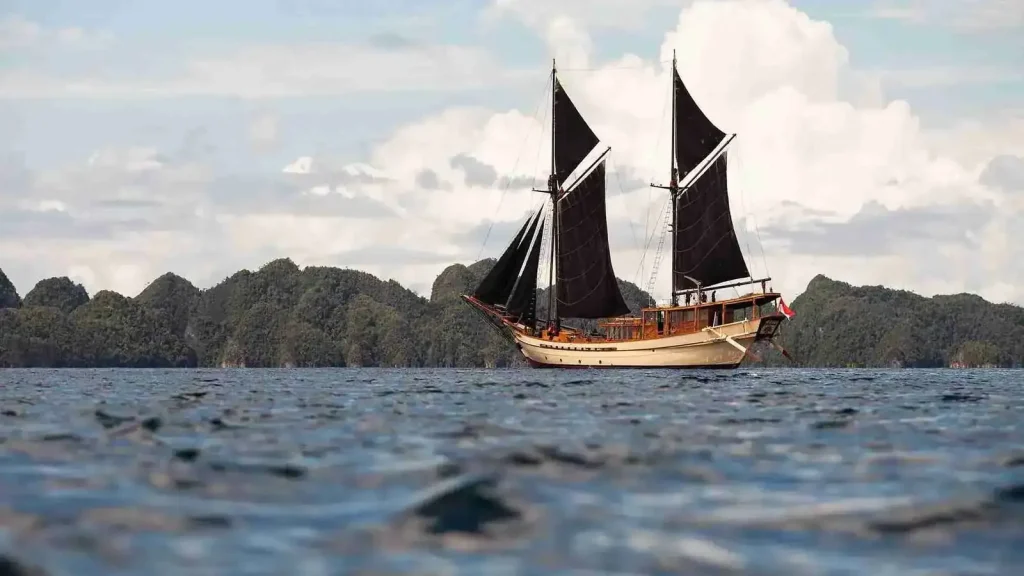
How to choose a phinisi shipyard: references, class capability, timber proof, milestone payments and warranty. Includes a payment milestone table and red…
 Sailing & Charters
· 6 min read
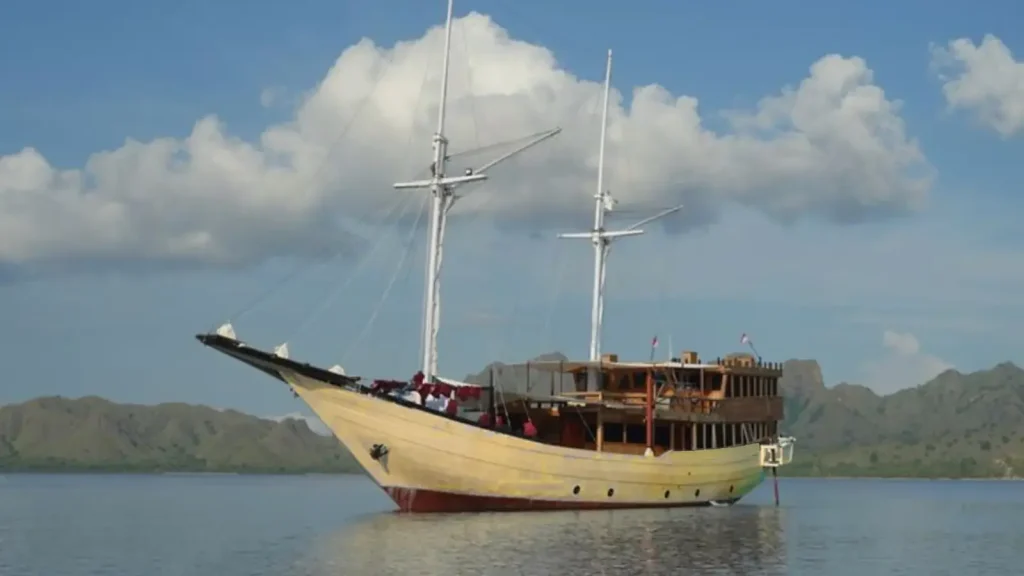
A phinisi takes 12-18 months to build and 18-24 months to licensed operation. Month-by-month phases, overlap points, and the delays that cost…
 Sailing & Charters
· 6 min read
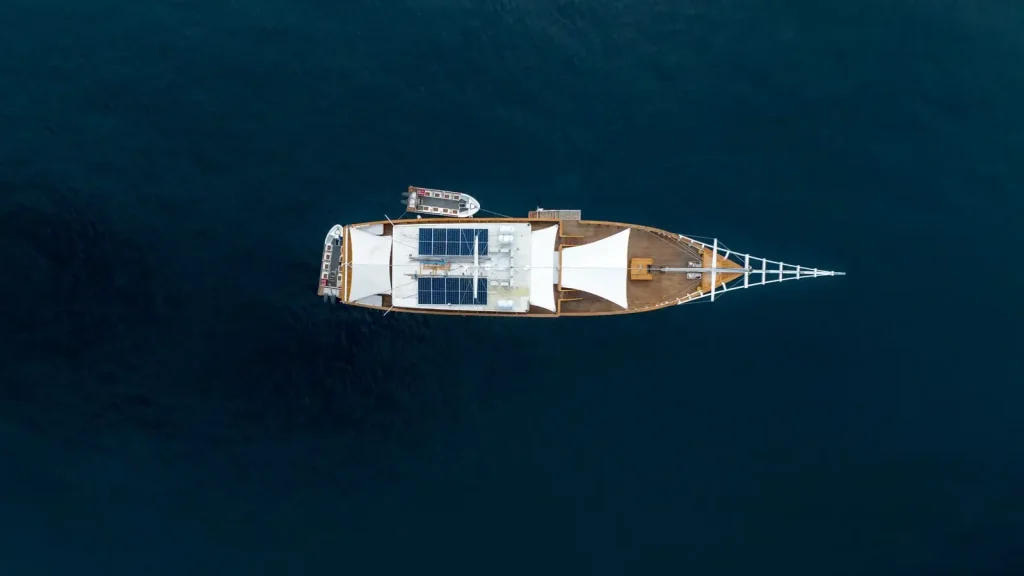
Phinisi build cost explained: timber 30-40%, machinery 20-30%, interior 15-25%. Indicative USD bands from 20m to 45m plus a worked 25m vs…
 Sailing & Charters
· 6 min read
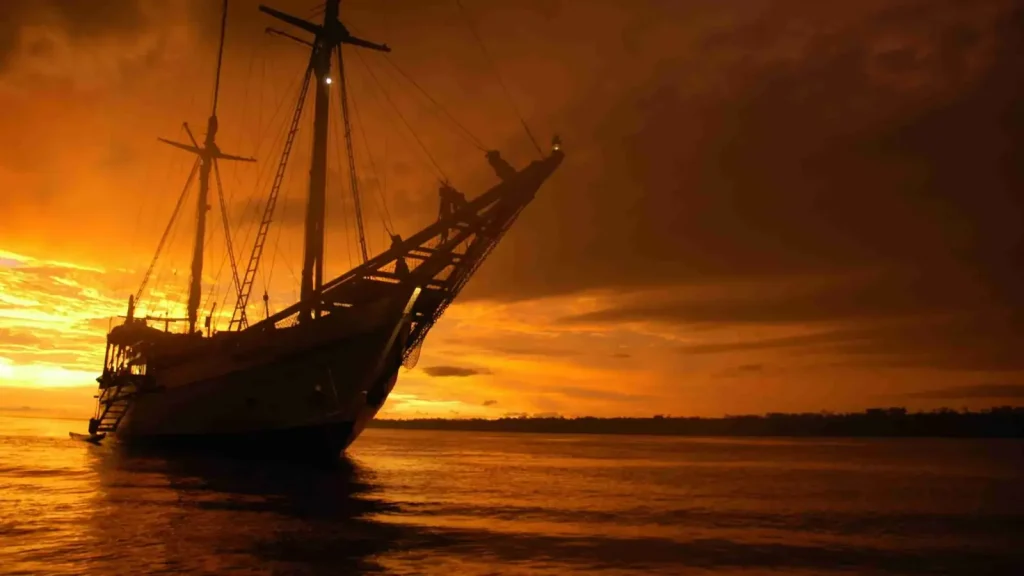
Pinisi boatbuilding was inscribed by UNESCO in 2017. What the listing covers, who the Konjo builders are, and how heritage practice shapes…
Start your project
Tell us what you want to build or refit — we come back with a scope, a yard slot and an indicative budget band.
WhatsApp +62 811-3941-4563 · bd@juaraholding.com
Operated by Komodo Luxury, part of Juara Holding Group — in Komodo marine tourism since 2015.